
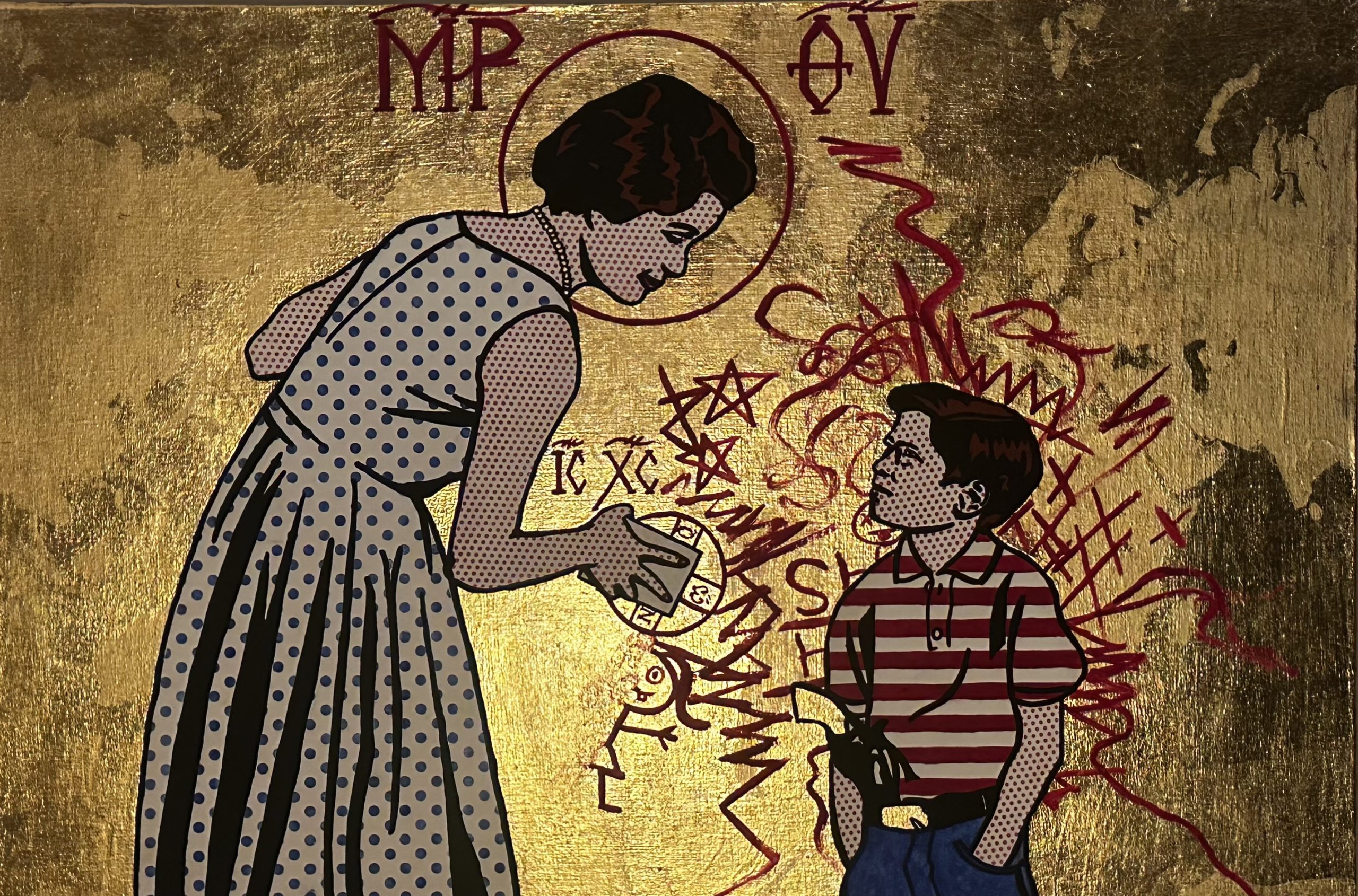
The article is a first-person reflection by Jesuit artist Nick Leeper on the 2024 Biennale d'Art Contemporain Sacré in Menton, France. Leeper describes entering the Grand Hôtel des Ambassadeurs expecting a traditional sacred art show but finding instead a mix of abstract sculptures, Venetian glassworks, and works by Man Ray, alongside more conventional religious pieces. The biennale, founded in 2019 by Liana Marabini, features 180 artists from 29 countries exploring the theme of "forgiveness," including major names like Damien Hirst, Yayoi Kusama, and Gerhard Richter, as well as artists from religious orders. Leeper recounts how visitors at the opening asked what makes such diverse works sacred.
This matters because it challenges narrow definitions of sacred art and opens a broader conversation about spirituality in contemporary visual culture. Leeper, as both a Jesuit scholastic and exhibiting artist, offers a unique insider perspective on how institutions like the Vatican-affiliated Patrons of the Arts are expanding their engagement with contemporary art. The inclusion of secular and abstract artists alongside religious figures raises fundamental questions about whether sacredness resides in subject matter, biography, or the viewer's experience—questions that resonate beyond the art world into theology and philosophy.