
The Mütter Museum in Philadelphia, known for its collection of medical artifacts including human remains, has been embroiled in controversy since a 2023 ProPublica investigation revealed it held Native American remains without repatriating them as required by NAGPRA. The museum's executive director Kate Quinn and then-president Mira Irons responded by removing digital content mentioning human remains, sparking a petition signed by over 30,000 people accusing them of reactive decisions. High-level staff departed, donors requested their body parts back, and both Quinn and Irons eventually resigned. The museum is now led by science historians Erin McLeary and Sara Ray.
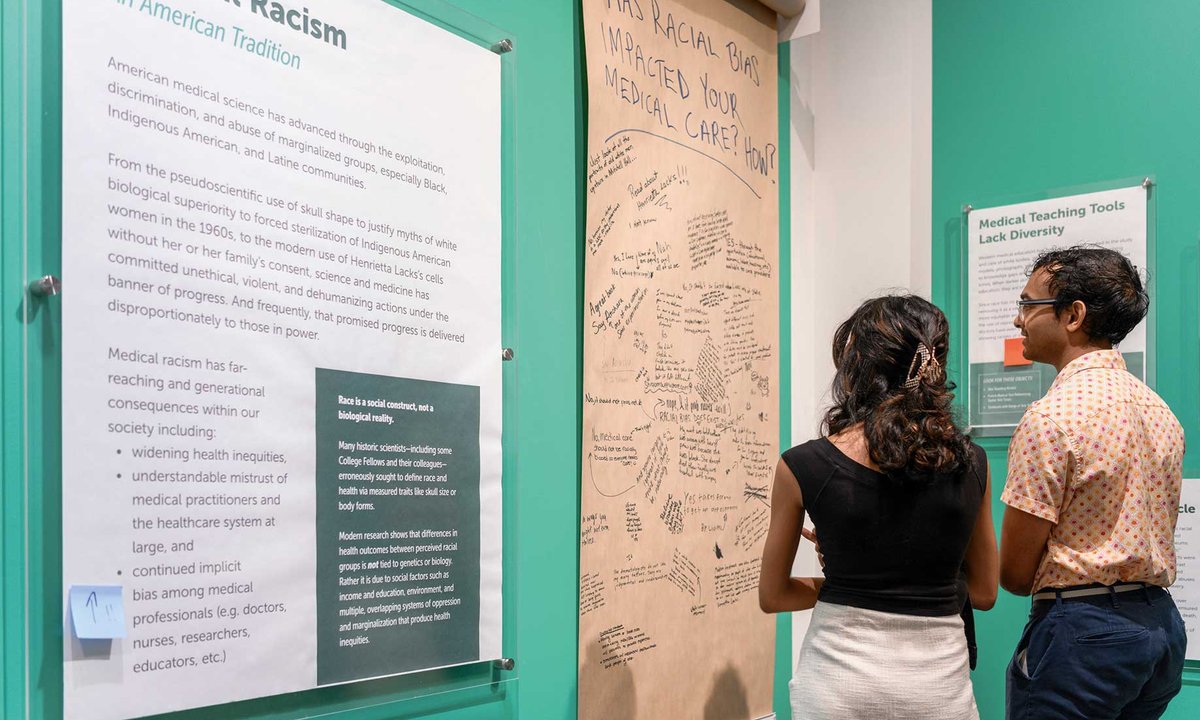
This matters because the Mütter's new human remains policy, introduced in August 2024, represents a significant shift in how medical museums handle ethically fraught collections. Developed with guidance from the International Council of Museums and the American Alliance of Museums, the policy commits to researching provenance, consulting descendant communities, and facilitating repatriation. It acknowledges ties to scientific racism and colonialism, while still allowing public access to remains with proper contextualization. This case sets a precedent for other institutions grappling with similar ethical dilemmas around displaying human remains.