
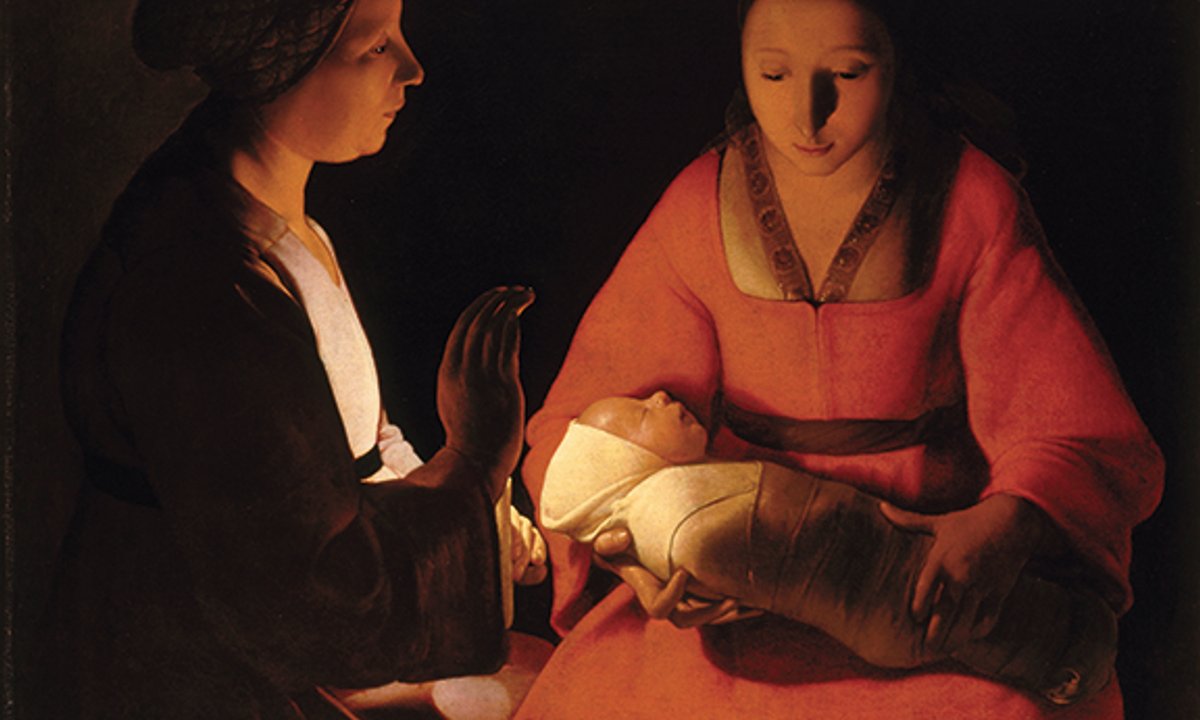
The Musée Jacquemart-André in Paris opens the first major exhibition dedicated to 17th-century French painter Georges de La Tour in nearly 30 years, featuring about 20 original works and a dozen studio pieces. The show, part of a series on Caravaggio's influence across Europe, highlights new scholarship on La Tour's working practice and the role of his atelier. La Tour was rediscovered in 1915 by German art historian Hermann Voss, who corrected a long-standing misattribution of his signed canvases to other artists, sparking a chain of rediscoveries that revived interest in an artist whose known oeuvre now numbers only 48 works.
This exhibition matters because it reflects a dramatic shift in art-historical understanding: La Tour, once a victim of academic amnesia and misattributed to artists like Gerard van Honthorst and Diego Velázquez, is now recognized as a singular talent whose work bridges Caravaggio's dramatic chiaroscuro and a modern, humanistic appeal. The show also underscores how scholarly advances—such as attributing studio copies to La Tour's own hand—are reshaping our view of his commercial strategy and artistic legacy, offering contemporary audiences a direct emotional connection that transcends classical education.