
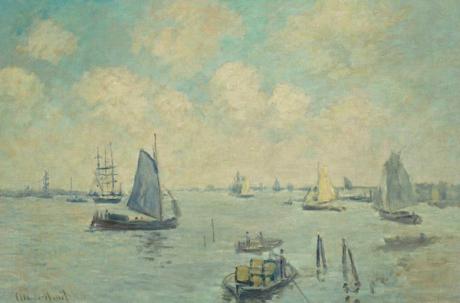
A long-running dispute involving the Wildenstein art dynasty has resurfaced over a 2004 transaction for Claude Monet's *Adolphe Monet Reading in a Garden* (1867). The painting was acquired by Guy Wildenstein through a €4.5m deal that included works by Pierre Bonnard and Alfred Sisley, among them Monet's *Marine, Amsterdam* (1874). That work was later resold via Christie's, but a 2020 sale attempt revealed that the original canvas had been lost during a transfer process, significantly reducing its value. Court-appointed specialists concluded in 2024 that the alteration predated the transaction and that the gallery likely knew of the damage. The sellers have filed a claim alleging "vitiated consent" under French law, with a court date set for 7 May in Rouen. The disputed Monet now reportedly belongs to billionaire Larry Ellison.
This case matters because it highlights persistent opacity in high-value art transactions, where disclosure standards remain weak even among prominent dealers. The dispute underscores how easily provenance and condition issues can be obscured, affecting both market trust and legal accountability. As the art market grows increasingly global and secretive, such cases raise urgent questions about transparency and buyer protection.