
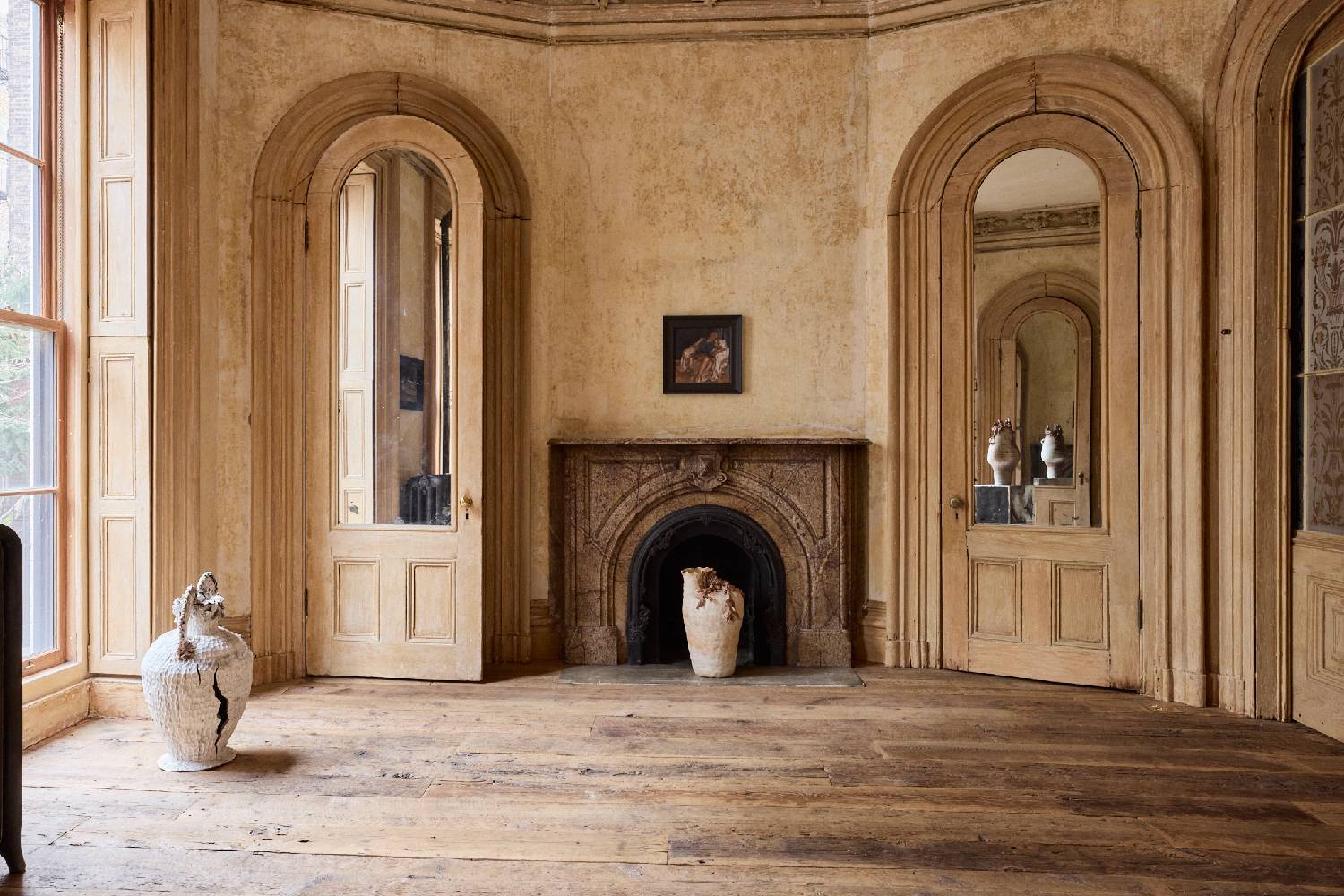
A growing number of gallerists are moving away from the traditional 'white cube' gallery model, opting instead for spaces with unconventional architecture and distinct character. These include locations in repurposed industrial buildings, historic structures, and uniquely designed new constructions that actively shape the visitor's experience of the art.
This shift represents a critical reevaluation of the neutral, context-stripping environment that has dominated the art market for decades. It signals a desire to create more engaging, memorable, and site-specific viewing experiences, challenging the idea that art must be presented in a sterile vacuum to be taken seriously. The trend reflects broader changes in how art is consumed and contextualized in the 21st century.