
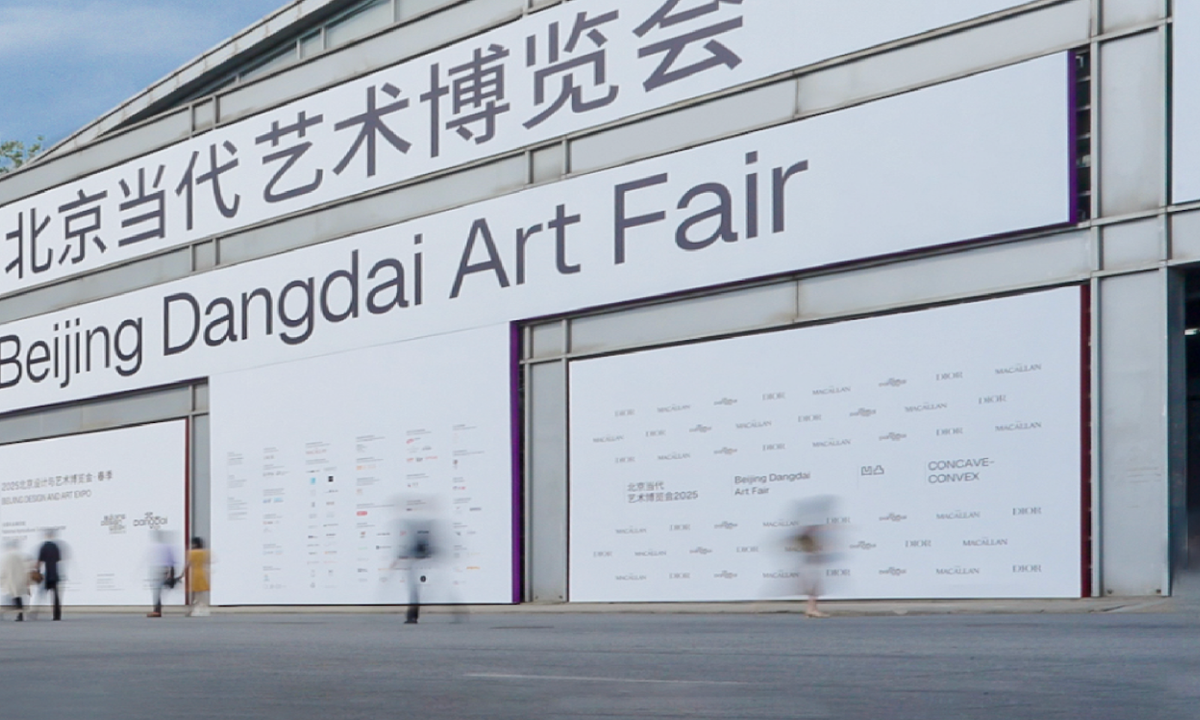
Beijing's art week, rebranded as the Beijing Art Season, ran from 22 May to 1 June, featuring three concurrent events: Art021 Beijing (formerly JingArt) at a new venue in the 798 Art District, Gallery Weekend Beijing (GWBJ), and the fair Beijing Dangdai. The 798 gallery complex merged with the adjacent 751 complex, becoming the 798 751 Art District. GWBJ scaled back this year, suspending its curated selling exhibition and international visiting sector, instead hosting only one pop-up gallery. Organizers cited economic struggles and tariffs as challenges, with gallerists reporting slower sales and cancelled US orders due to new tariffs.
This year's rebranding and consolidation matter because they reflect the Chinese art market's adaptation to post-pandemic economic headwinds and trade tensions. The shift from commercial fairs to district-led programming, with GWBJ waiving gallery fees and adopting a nomadic gallery model inspired by Venice Biennale collateral events, signals a strategic pivot toward sustained institutional engagement rather than transactional sales. The market shows polarization: top-tier works remain strong investments, while emerging art attracts new collectors, but the mid-market languishes. The outcome may influence how other global art weeks navigate economic uncertainty.