
Der große Einzelgänger der Kunst
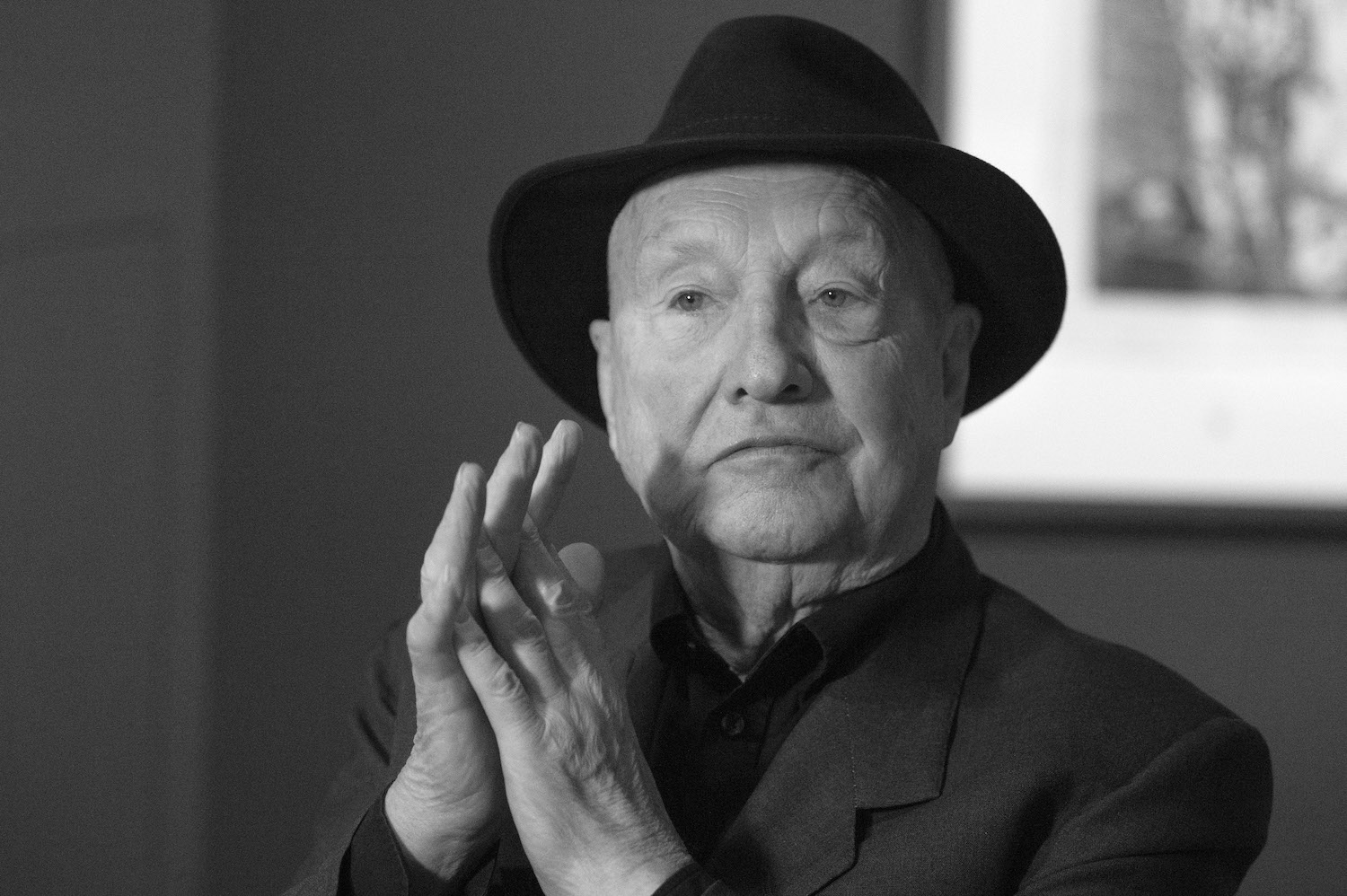
Georg Baselitz, the German painter known for his radical, figurative works and iconic upside-down motifs, has died at age 88. Born Hans-Georg Kern in 1938 in Deutschbaselitz, Saxony, he fled East Germany for West Berlin in 1957 after being expelled from art school for "socio-political immaturity." Baselitz rose to international fame with his expressive, fractured depictions of the human figure, famously inverting his compositions starting with "Der Wald auf dem Kopf" (1969). He also worked as a stage and costume designer for operas by Harrison Birtwistle, György Ligeti, and Richard Wagner.
Baselitz's death marks the end of an era for post-war German painting. He was a key figure—alongside Sigmar Polke and Gerhard Richter—who resisted the trend toward abstraction, insisting on a raw, confrontational figuration that challenged both East German socialist realism and Western avant-garde orthodoxies. His upside-down paintings became a signature gesture that questioned perception and representation, influencing generations of artists. His legacy as a rebellious individualist who defied institutional and political pressures cements his place as one of the most important German artists of the 20th century.