
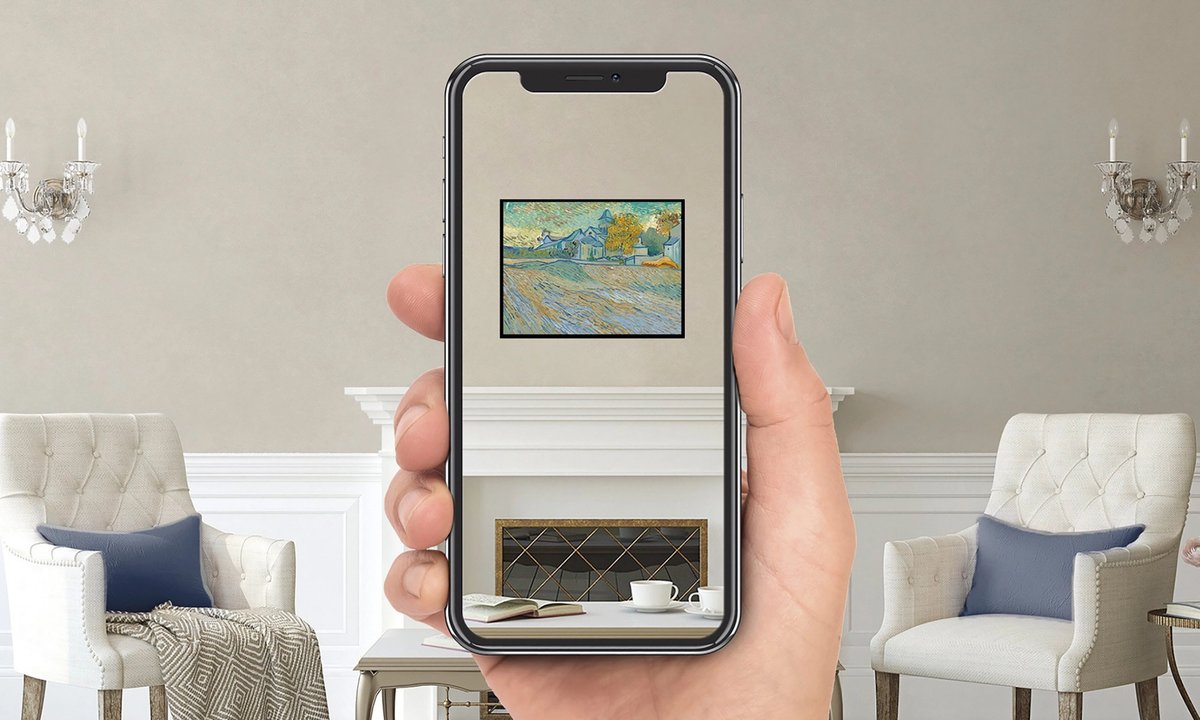
Augmented reality (AR) headsets like the Apple Vision Pro and Meta Quest II are gaining traction as tools for the art trade, according to experts interviewed in this article. Gallerists Will Shott and Hal Bromm see potential for virtual tours, studio visits, and previewing artworks in situ, while adviser India Price notes that seeing works at scale in one's own space could boost buyer confidence. However, Martin Murphy of Ringling College of Art and Design argues that practical barriers—such as device personalization and generational divides—may limit adoption among traditional collectors.
This matters because the art world is increasingly decentralized, with artists leaving expensive cities and audiences experiencing art primarily through screens. AR and VR could bridge the gap between digital convenience and the desire for immersive, contextual viewing, potentially revitalizing gallery visits and expanding access for remote collectors. Yet the technology's success hinges on overcoming usability hurdles and convincing a risk-averse market that virtual experiences can complement—not replace—in-person encounters with art.