
Wie Artotheken Kunst zugänglich machen
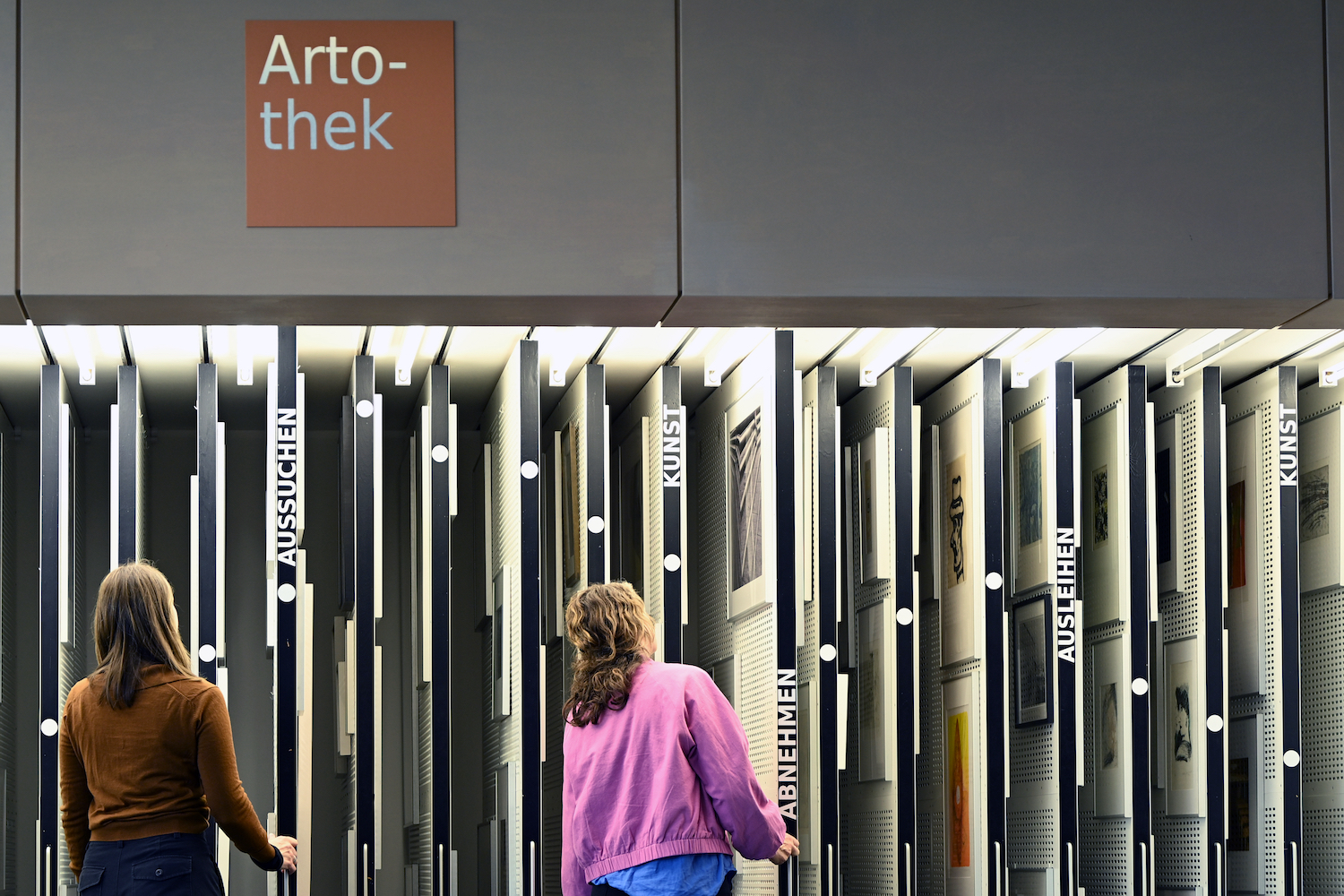
Artotheken, or art libraries, are public institutions that lend artworks to anyone with a library card, making art accessible beyond the traditional museum or gallery system. In Germany, over 100 such artotheken exist, often housed in public libraries, art associations, or museums. The Amerika-Gedenkbibliothek in Berlin, for example, has a collection of 2,000 works, with around 300 currently on loan to homes, doctors' offices, and law firms. The lending process is informal: borrowers can eat, drink, and even touch the works, and transport by bus or bike is encouraged. A jury selects up to 15 new works annually, and the collection includes major names like Roy Lichtenstein and Niki de Saint Phalle, though most users choose pieces based on personal connection rather than prestige.
This model matters because it directly challenges the elitism and exclusivity often associated with the art world. By removing barriers such as cost, rules, and the need for specialized knowledge, artotheken invite a diverse public—across age, background, and socioeconomic status—to engage with art as part of everyday life. The works become 'common goods' that remain accessible to the community, fostering a personal, unmediated relationship between viewer and artwork. This approach not only democratizes art appreciation but also supports artists by keeping their work in the public sphere rather than locked in private collections.