
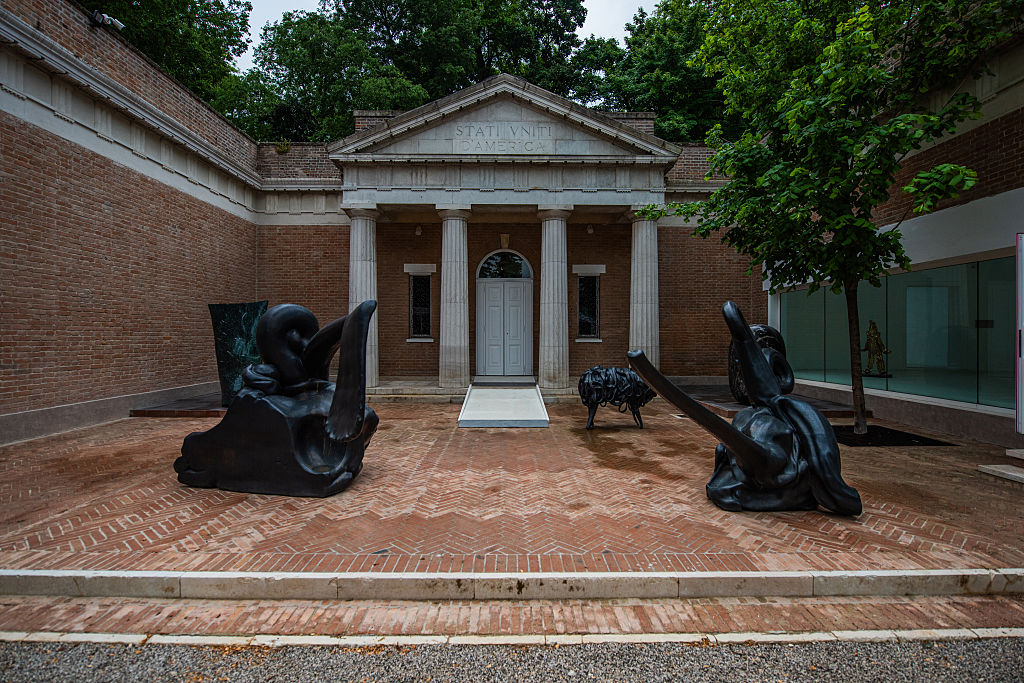
The article previews the 61st Venice Biennale, opening May 9 and running through November 22, highlighting early controversies. The five-person Golden Lion jury, led by Brazilian curator Solange Farkas, resigned after declaring they would not consider pavilions from countries under International Criminal Court investigation, targeting the Israel pavilion and its artist Belu-Simion Fainaru. Separately, the US pavilion has drawn scrutiny from the New York Times over its selection process, with commissioner Jenni Parido (a former pet food store owner) tapping curator Jeffrey Uslip and sculptor Alma Allen, bypassing traditional funders like the Ford and Mellon foundations.
Why it matters: The article argues that the Venice Biennale is inherently a propaganda exercise where nationalist and anti-nationalist passions collide with art-market interests. The jury's resignation over the Israel pavilion reveals the art world's fraught relationship with anti-Semitism and political boycotts. The US pavilion controversy underscores a shift in American cultural diplomacy, as the State Department's overhauled selection process breaks from establishment funders and conventional expectations, potentially reshaping how the US projects soft power through art.