
arrow_back Back to all stories

person The Spectator

newspaper Google News article 2 articles

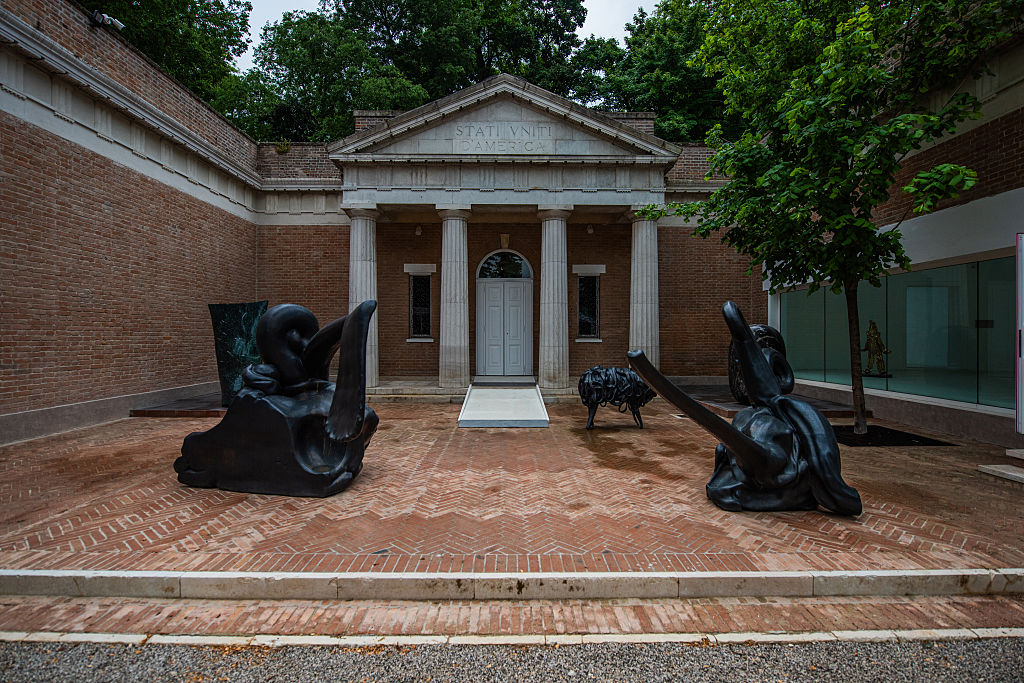
The message behind the US pavilion at the Venice Biennale

The article previews the 61st Venice Biennale, opening May 9 and running through November 22, highlighting early controversies. The five-person Golden Lion jury, led by Brazilian curator Solange Farkas, resigned after declaring they would not consider pavilions from countries under International Criminal Court investigation, targeting the Israel pavilion and its artist Belu-Simion Fainaru. Separately, the US pavilion has drawn scrutiny from the New York Times over its selection process, with commissioner Jenni Parido (a former pet food store owner) tapping curator Jeffrey Uslip and sculptor Alma Allen, bypassing traditional funders like the Ford and Mellon foundations.
How the Venice Biennale imploded over Israel

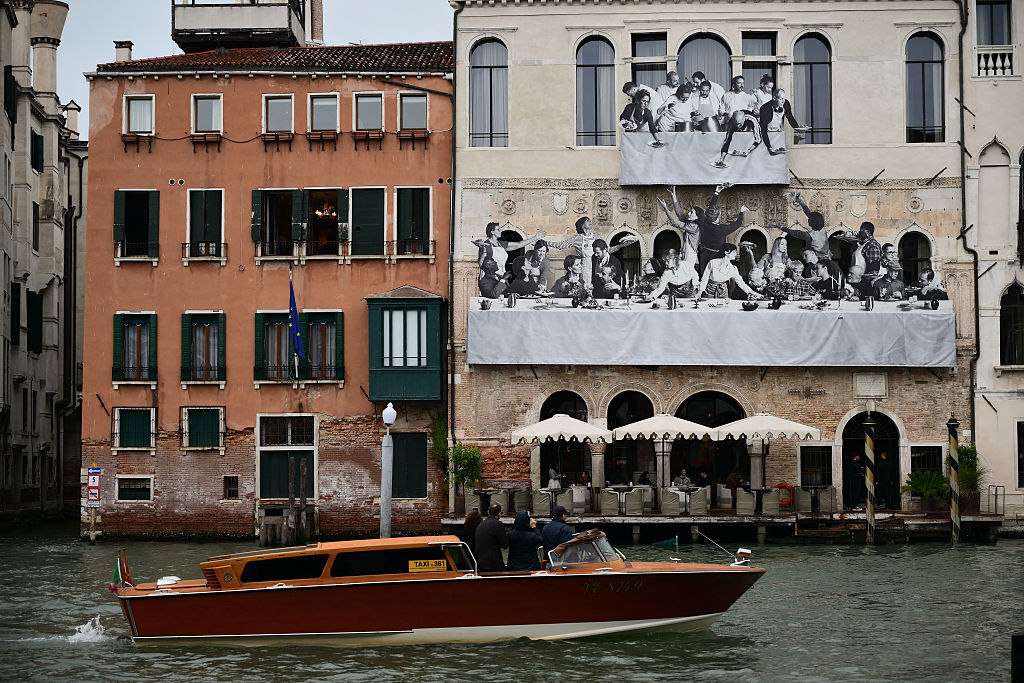
The 61st Venice Biennale, scheduled to open on May 9, has been thrown into turmoil after its International Jury announced that national pavilions and artists representing countries whose leaders are charged with crimes against humanity by the International Criminal Court will not be eligible for prizes. This excludes Israel, represented by sculptor Belu-Simion Fainaru, and Russia from competing for the Golden Lion. The decision follows an open letter signed by hundreds of artists and curators demanding Israel's exclusion over the war in Gaza, and comes amid ongoing geopolitical tensions, including Russia's absence from previous editions after its invasion of Ukraine. The Biennale's theme, 'In Minor Keys,' curated by the late Koyo Kouoh, aimed to focus on dignity and listening to marginalized voices, but the prize ban has sparked accusations that identity politics are overshadowing artistic merit.