
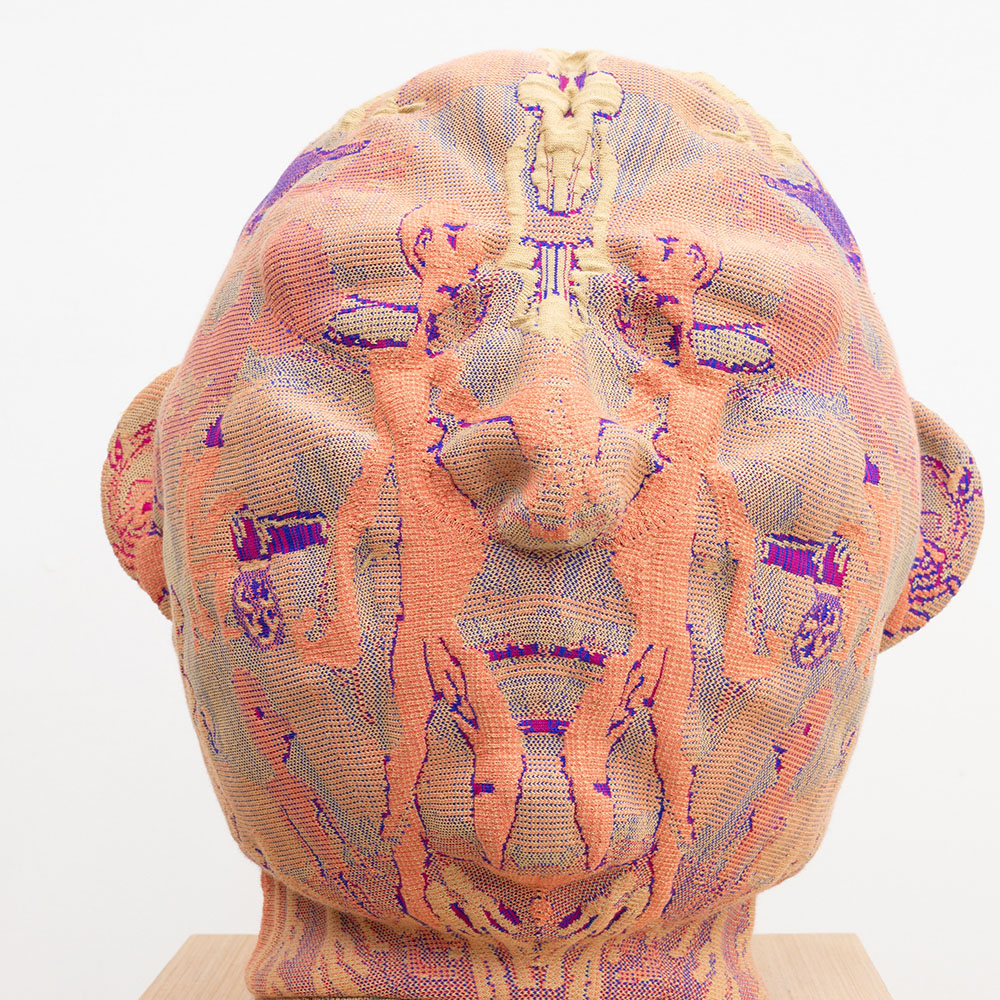
A year after lamenting the dominance of safe, decorative painting in New York galleries, art critic Andrew Russel observes a decisive shift toward sculpture and installation in 2026. The Whitney Biennial epitomizes this trend, alongside major shows like Carol Bove’s survey at the Guggenheim Museum and Michael Heizer’s largest indoor "Negative Sculpture" at Gagosian 21st Street. Two exhibitions spotlight neglected aspects of Isa Genzken’s work: Galerie Buchholz focuses on her "Projects for Outside," while Zwirner Tribeca presents her "world receivers" concrete sculptures. Russel also highlights Paul Chan’s "breathers" at Greene Naftali and three standout shows—Robert Gober at Matthew Marks, Felix Beaudry at Situations, and a pairing of Hans Haacke and Louise Lawler at Maxwell Graham—as essential viewing alongside the Biennial.
This shift matters because it signals a broader re-engagement with conceptual, spatial, and challenging art after a period of market-driven, crowd-pleasing painting. The critic’s analysis of Robert Gober’s "Plein Air" at Matthew Marks underscores how sculpture can transform confusion into wonder, addressing themes of Catholicism, family, queer desire, and catastrophe. The article reflects a critical moment in the art world’s cyclical evolution, where curators and collectors are embracing riskier, more immersive work, potentially reshaping gallery programming and collector priorities in New York and beyond.