
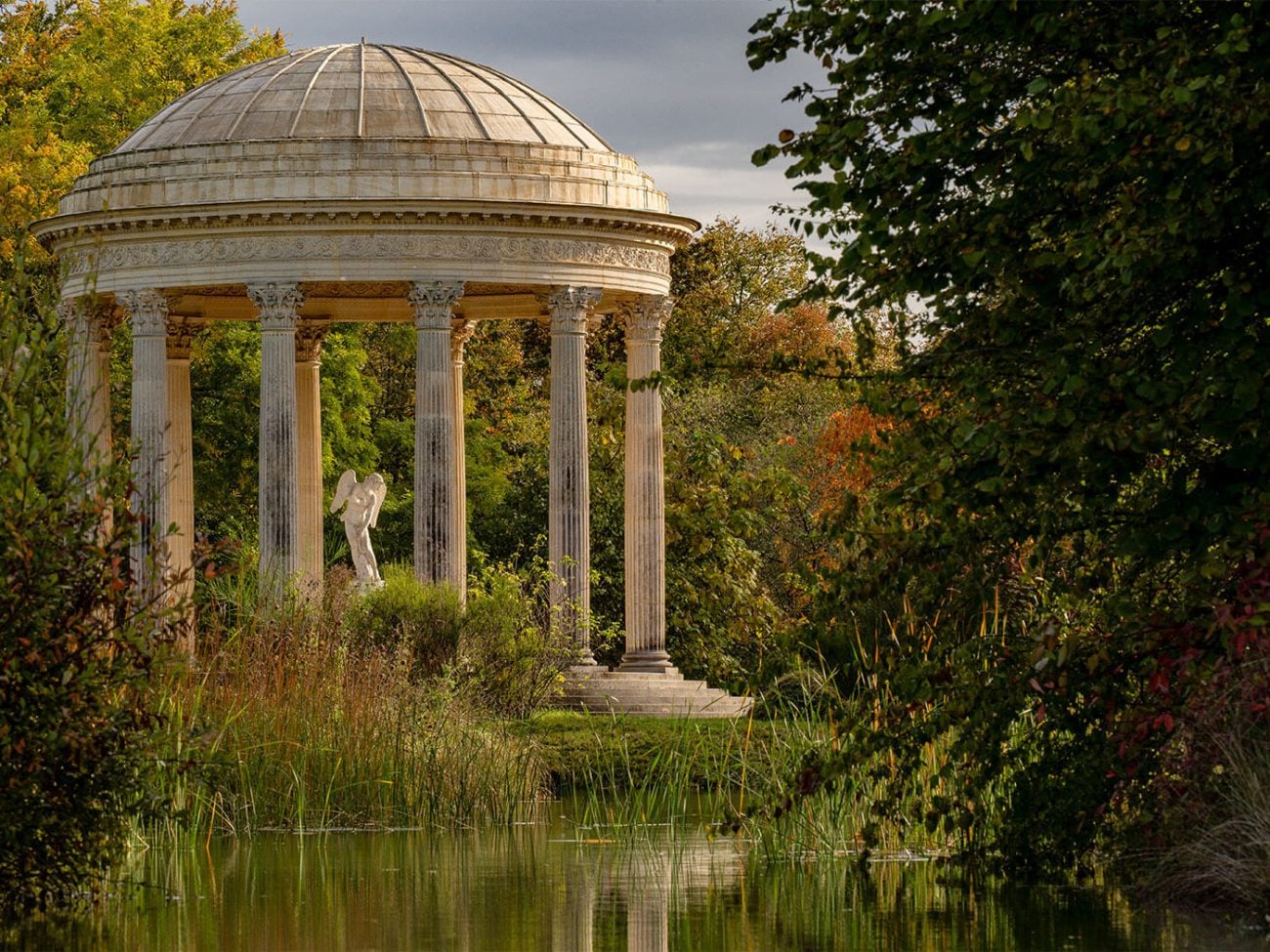
The article explores an exhibition at the Grand Trianon in Versailles dedicated to the English garden, a style that emerged in 18th-century Europe as a deliberate contrast to the rigid symmetry of the formal French garden. Curator Élisabeth Maisonnier and museum director Laurent Salomé explain how these gardens, with their winding paths, irregular flowerbeds, and surprise features like grottoes and pagodas, were carefully constructed to imitate and amplify nature's complexity, drawing on influences from antiquity, the Middle Ages, and China.
The exhibition matters because it positions the English garden not merely as a landscaping trend but as a reflection of Enlightenment philosophy and a vision of society. At a time when thinkers like Jean-Jacques Rousseau championed a return to nature and individual expression, the English garden embodied freedom and openness, contrasting with the French garden's association with absolute monarchy. By linking garden design to broader cultural and political shifts, the show offers a fresh lens on how art and ideas intersected on the eve of the French Revolution.