
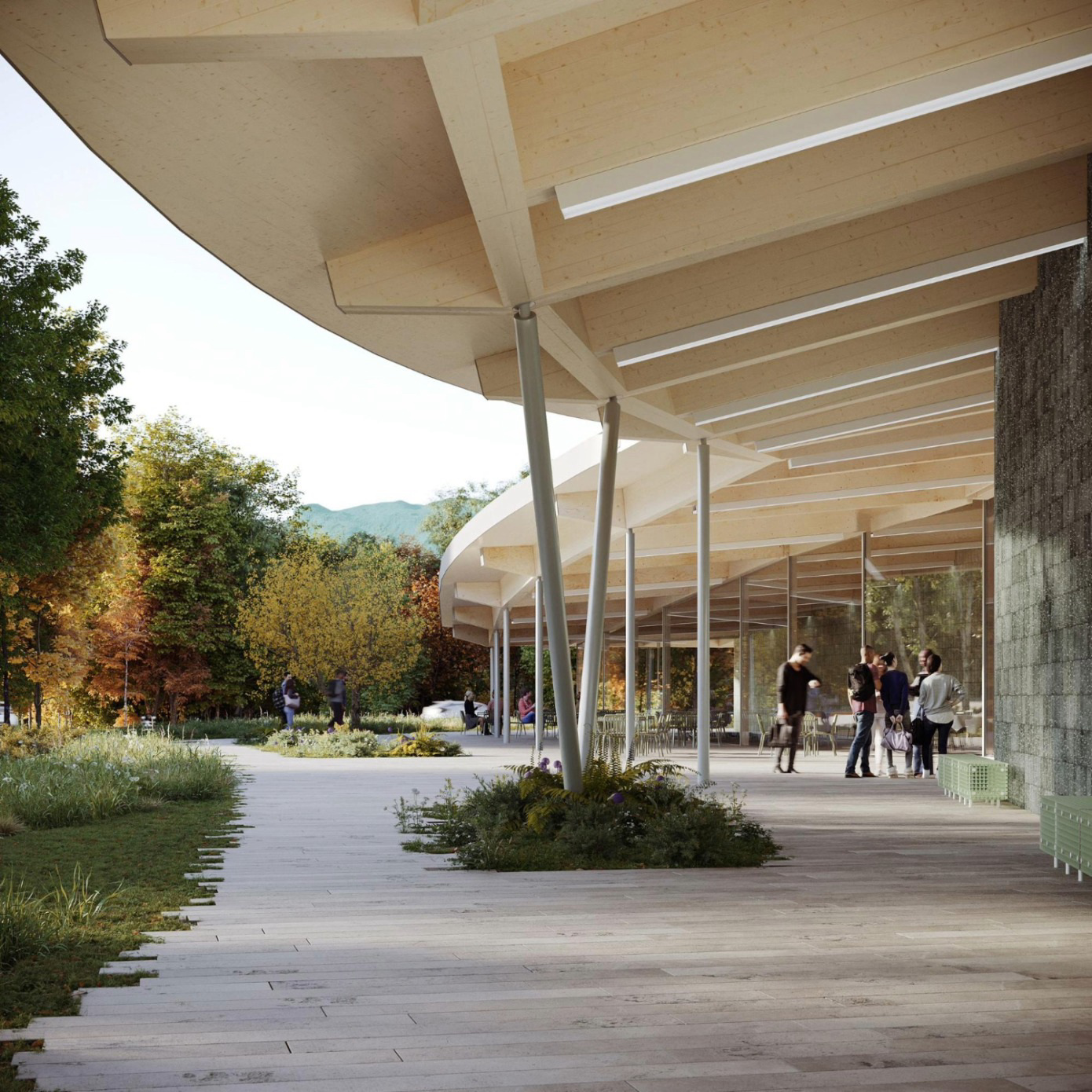
The article, written by a former New Museum staffer, traces the evolution of museum architecture from the early 2000s starchitect era toward a hospitality- and community-focused model. It cites examples like MoMA's extensive visitor amenities (four restaurants, two retail spaces) and the Williams College Museum of Art's open, evolving design by SO-IL. The piece also highlights the Underground Museum's storefront approach in Los Angeles and the Storefront for Art and Architecture in New York as strategies that prioritize accessibility and community engagement.
This matters because it signals a fundamental shift in how museums conceive their role—from monumental containers for art to flexible, welcoming spaces that function as community catalysts. The trend toward hospitality-infused design, as seen at MoMA, raises questions about the balance between commercial amenities and artistic mission. The article's focus on empathetic, participatory architecture reflects broader institutional efforts to remain relevant and inclusive in a changing cultural landscape.