
I giardini sono bellissimi ma abbiamo smesso di progettarli. L’analisi dell’architetto Gabriele Mulè
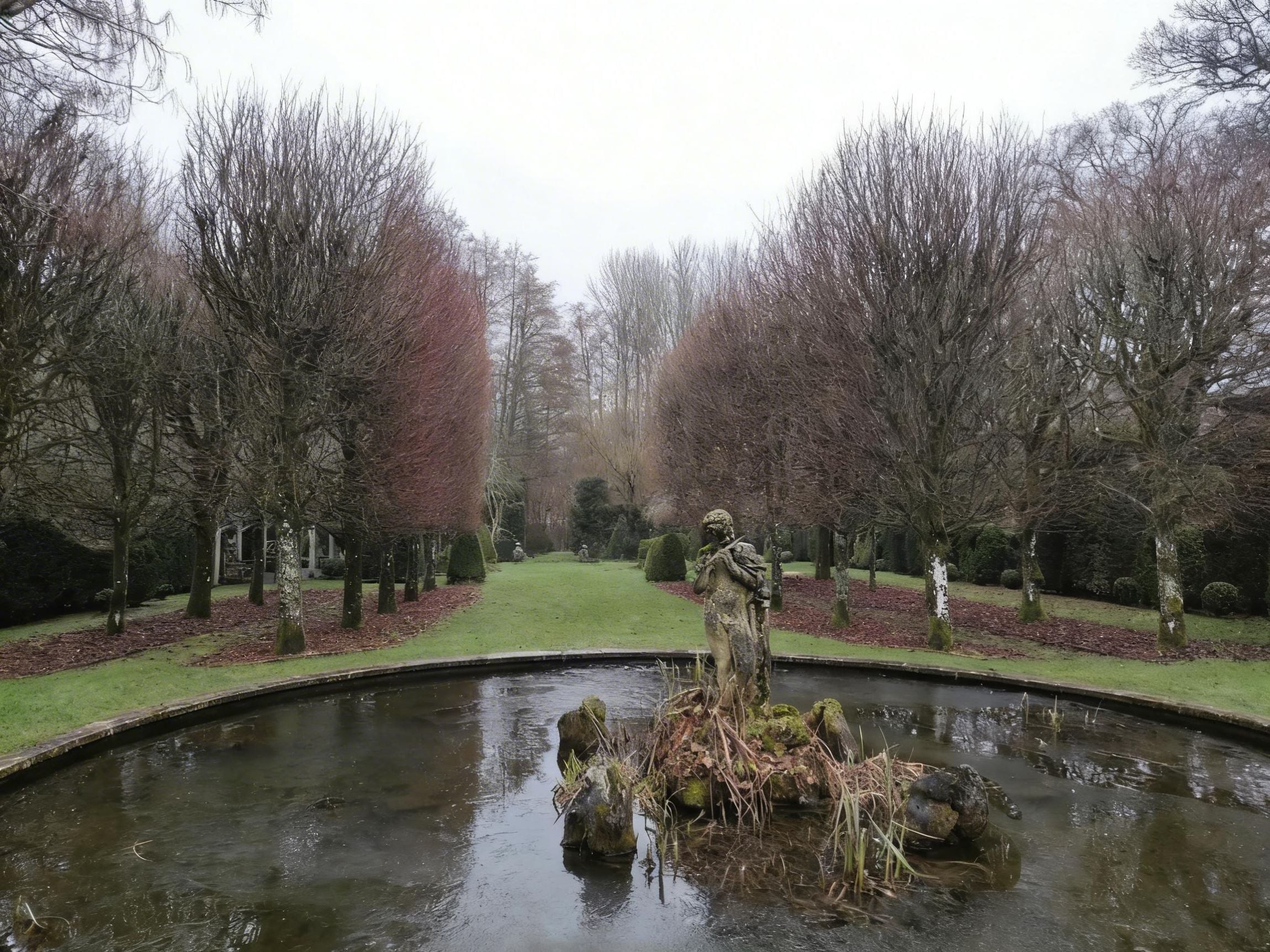
Architect Gabriele Mulè analyzes the garden of Bruce Ginsberg in Hampshire, England, describing it as a masterful blend of Eastern and Western traditions. The garden, cultivated for over thirty years, features fluid curves, geometric hedges, a Tibetan stupa, and a labyrinth, embodying the concept of sharawadgi—planting without apparent order—while integrating elements from ancient Greece, the Renaissance, and Buddhist philosophy.
This article matters because it challenges contemporary landscape design, which Mulè criticizes as lacking depth and relying on generic greenery. Ginsberg's garden serves as a counterexample, demonstrating how thoughtful planting and historical references can create a dynamic, meditative space that transcends mere decoration. It reasserts the garden as an art form that engages with cultural heritage and personal expression.