
Il paradosso dell’arte contemporanea: il mondo è violento, ma le opere sono corrette e inoffensive
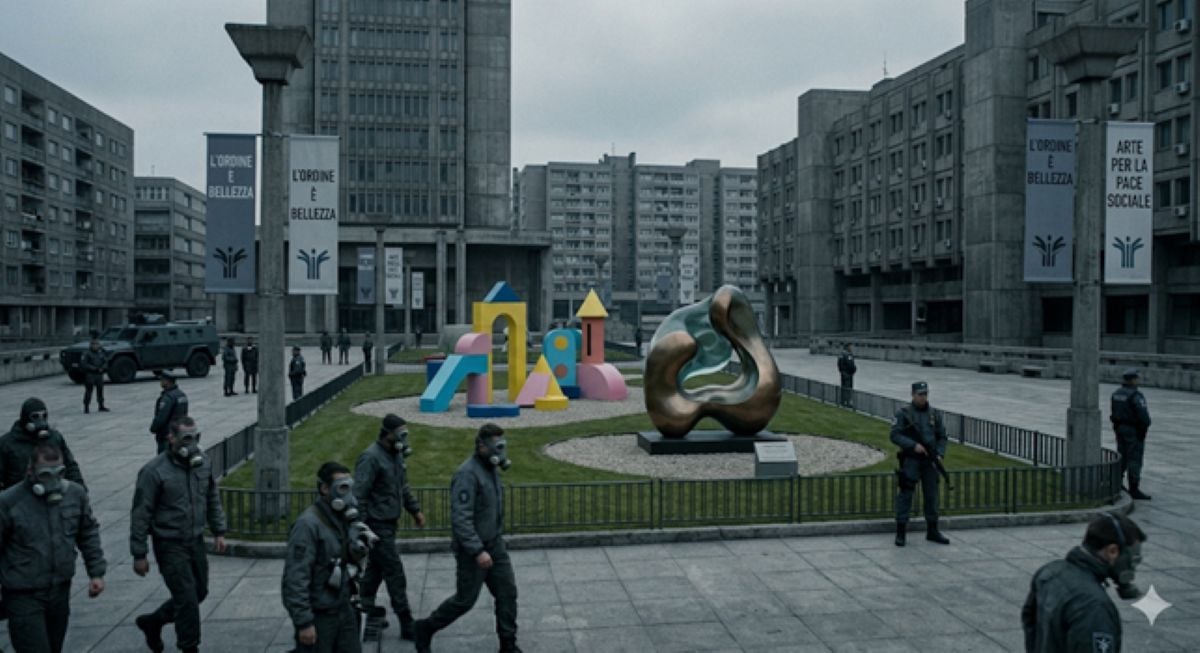
The article examines a paradox in contemporary art: as the world grows more violent and chaotic, art has become increasingly 'correct,' morally irreproachable, and inoffensive. The author argues that over the past fifteen years, artworks have been judged primarily by their moral and identity credentials, with curators acting as moral gatekeepers and censors. This shift coincides with a period when geopolitics, history, and public behavior have spiraled out of control, creating a strange compensatory dynamic where art is expected to be perfectly controlled and polite while reality grows brutal.
This matters because it highlights a fundamental disconnect between art and reality, undermining art's traditional role of provocation, transgression, and 'being out of register.' The author points to the Venice Biennale as a current example of this collapse between art, politics, and representation. The piece warns that this trend risks making art irrelevant and toothless precisely when society needs it most, and notes that many once-celebrated artistic practices from the 1990s have aged poorly under this new moralistic lens.