
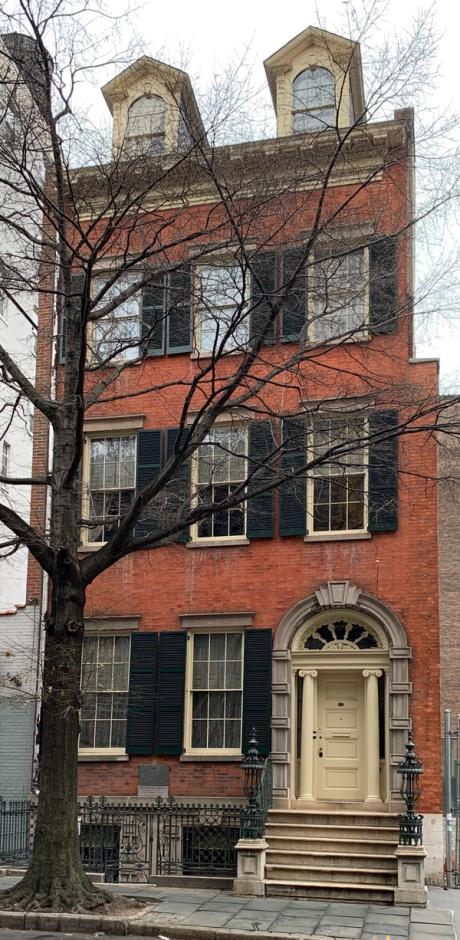
A hidden chute within the Merchant's House Museum in Manhattan, identified as a rare surviving stop on the Underground Railroad, is threatened by a planned real-estate development next door. The two-foot-square vertical passage, concealed behind a built-in dresser, was built in 1832 by abolitionists Joseph and Susanna Brewster to shelter Black fugitives escaping slavery. The museum's western wall, which contains the hideaway, adjoins a one-story garage slated for demolition to make way for a commercial building, prompting the museum team to oppose the development due to risk of structural damage.
This discovery matters because it represents one of the very few purpose-built Underground Railroad bolt-holes that survive, and even fewer are in publicly accessible buildings. The chute's existence provides tangible, architectural evidence of Northern abolitionist resistance in a city where many residents were economically tied to Southern slavery. Its potential destruction would erase a rare physical link to this clandestine history, underscoring the ongoing tension between historic preservation and urban development in New York City.