
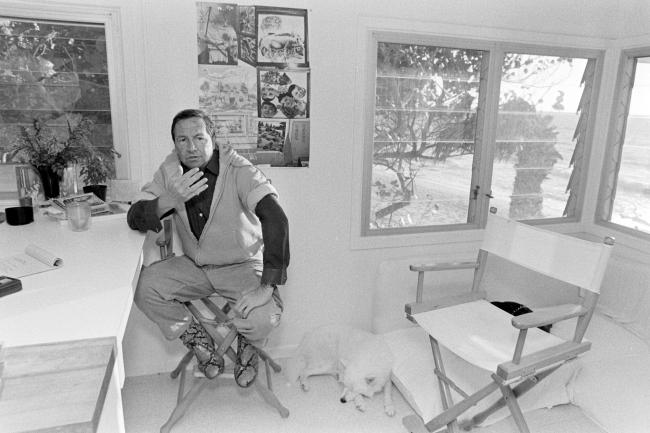
The Robert Rauschenberg Foundation has sold the late artist’s twenty-two-acre estate on Captiva Island, Florida, to the neighboring South Seas resort for $45 million. The sale includes ten buildings, most notably Rauschenberg’s custom-built 8,000-square-foot studio and his historic "Beach House." While the resort plans to integrate the property into its operations and host art-related programming, the foundation cited escalating maintenance costs and environmental risks from climate change as the primary reasons for the divestment.
The transaction has sparked significant backlash from the local community and preservationists who hoped the site would be protected from commercial development. Critics, including the Captiva Civic Association, have labeled the sale a betrayal of Rauschenberg’s legacy and his personal commitment to protecting the island's natural state. This move highlights the growing tension between the financial sustainability of artist foundations and the preservation of culturally significant sites in the face of rising sea levels and real estate pressures.