
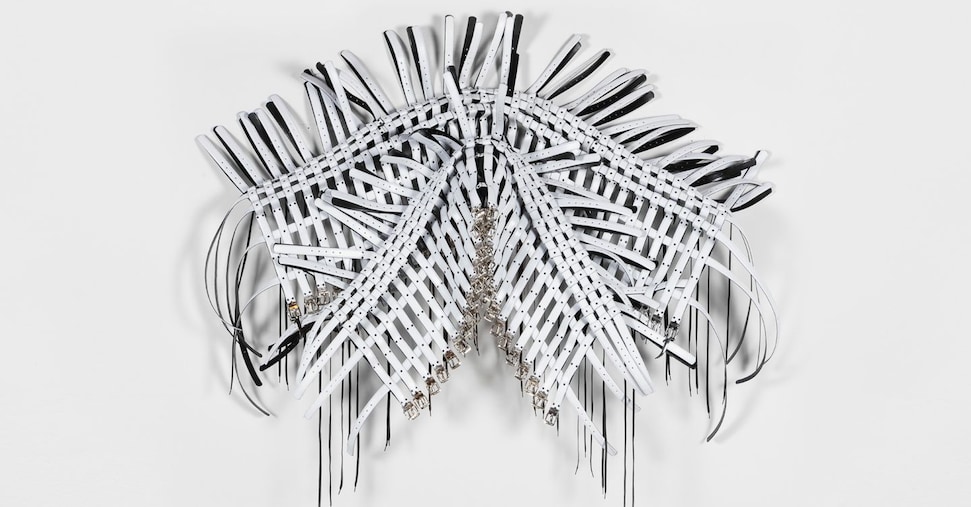
Fashion houses like Chanel are increasingly investing in contemporary art, not merely as inspiration for prints or patterns but as a strategic tool for brand positioning and cultural credibility. Gallery owner Tristan Paprocki, who recently opened a Milan space with partner Guido Romero Pierini, notes that brands now seek out emerging artists to demonstrate foresight and support new talent. Chanel has collaborated with Berlin's Hamburger Bahnhof museum for large-scale installations by artists such as Klára Hosnedlová and Lina Lapelytė, and has announced ten artists for the third edition of its Next Prize 2026, including Bárbara Sánchez-Kane, Pan Daijing, and Álvaro Urbano. These artists work across fashion, sculpture, and performance, blurring the lines between clothing and contemporary art.
This trend matters because it signals a shift in how luxury fashion engages with the art world—moving from passive patronage to active collaboration that elevates both industries. By supporting emerging artists globally, fashion brands gain authenticity and cultural capital while providing artists with resources and visibility beyond the traditional gallery system. The convergence of fashion and art also challenges conventional categories, as works by Sánchez-Kane and Chalisée Naamani exist at the intersection of garment and sculpture. This symbiotic relationship may reshape how art is produced, funded, and exhibited, especially as brands like Chanel commission site-specific installations and biennial prizes that reach international audiences.