
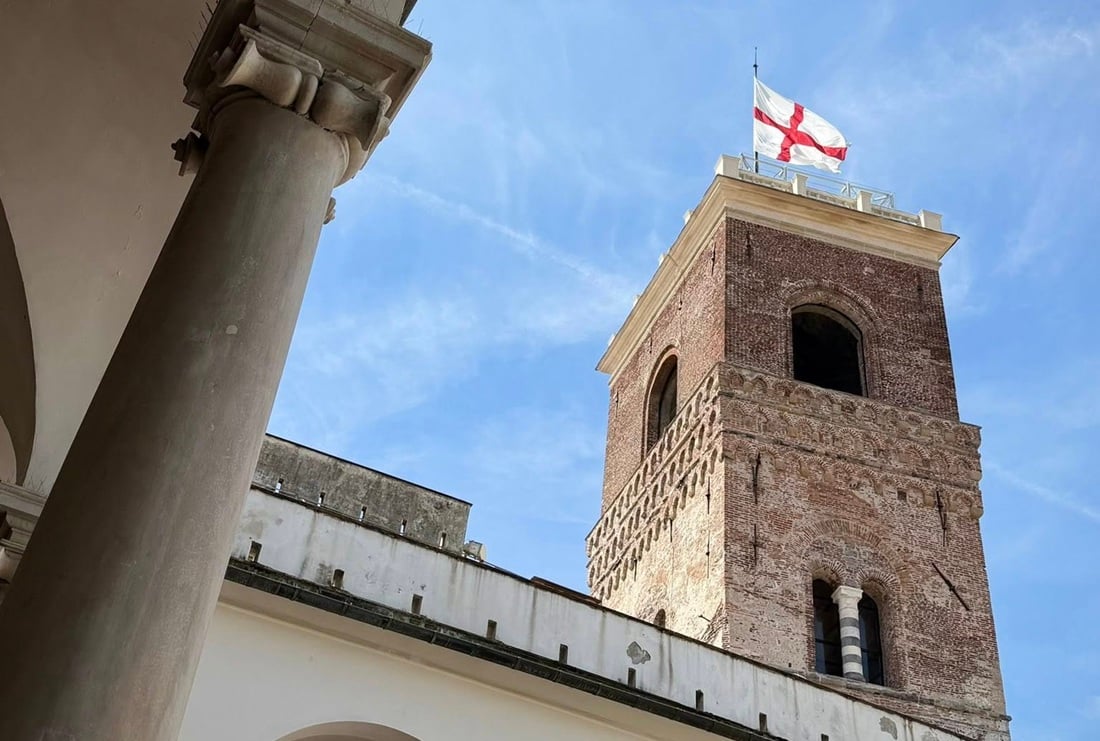
The Torre Grimaldina, a medieval tower in Genoa's Palazzo Ducale, has reopened after extensive restoration and safety upgrades funded by Italy's PNRR (National Recovery and Resilience Plan). Built in the late 13th century as a symbol of municipal power, the tower later served as a prison for political dissidents, including Risorgimento patriots and anti-fascist activists, as well as the violinist Niccolò Paganini. The restoration has preserved historic graffiti and inscriptions left by inmates, while reopening the tower's belvedere offering panoramic views of the city.
The reopening matters because it restores a key piece of Genoa's civic and architectural heritage, linking the city's medieval origins with its modern identity as a cultural destination. The tower's layered history—from administrative seat to prison to museum space—illustrates how historic structures can be reinterpreted for contemporary public use. The project also exemplifies how European recovery funds are being deployed to enhance accessibility and cultural tourism in Italy's historic urban centers.