
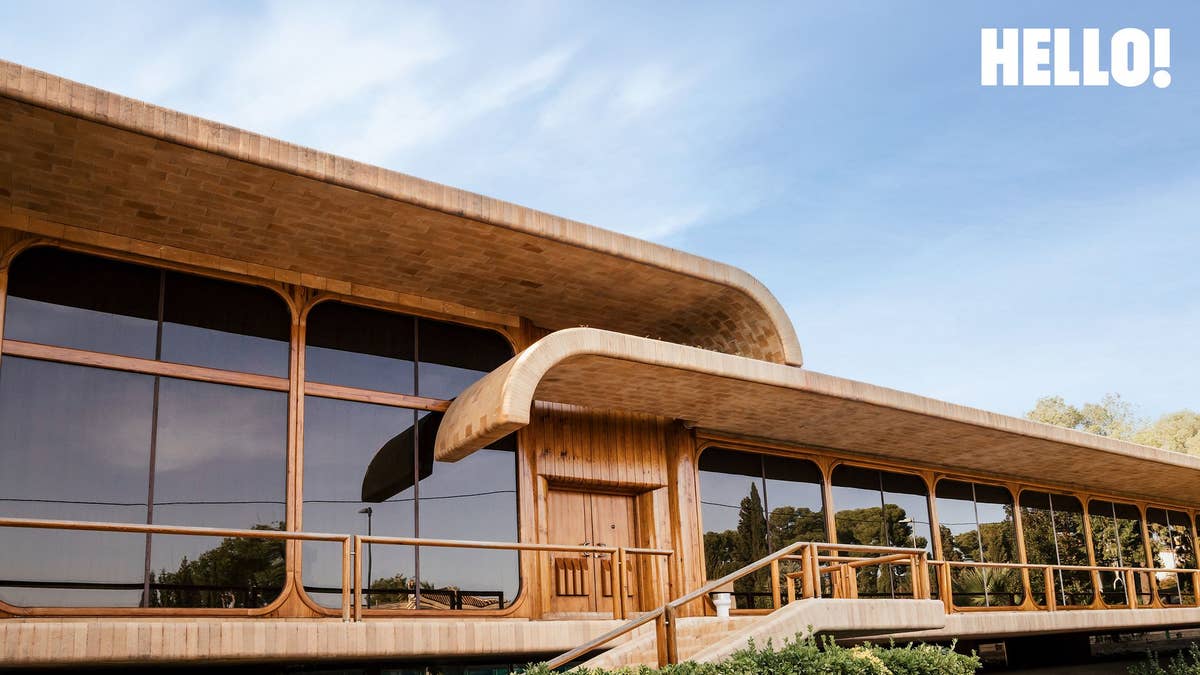
Spanish-Argentinian contemporary artist Felipe Pantone, who never reveals his face to the public, opens the doors to his striking home 'Casa Axis' in Valencia, Spain. Originally built between 1972 and 1975 by architect Pascual Genovés and designer Antonio Segura, the property was known as the 'Revolving House' before Pantone renamed it. After a two-year renovation, the 7,000 sq m estate now includes an indoor swimming pool designed by the artist, a private tennis court, a dance club, and rooms filled with natural light. Pantone and his partner Victoria Fernández host artists from around the world at the home, which also served as a backdrop for Netflix's Black Mirror.
This article matters because it offers a rare glimpse into the private sanctuary of a highly enigmatic contemporary artist whose work fuses street art, futurism, and op art. Pantone's decision to remain faceless shifts focus onto his vibrant artwork, and his home functions as both a personal residence and a creative hub—a 'permanent exhibition' that supports and inspires other artists. The feature underscores how artists increasingly merge living and working spaces into immersive, multi-sensory environments, reflecting broader trends in contemporary art practice and lifestyle.