
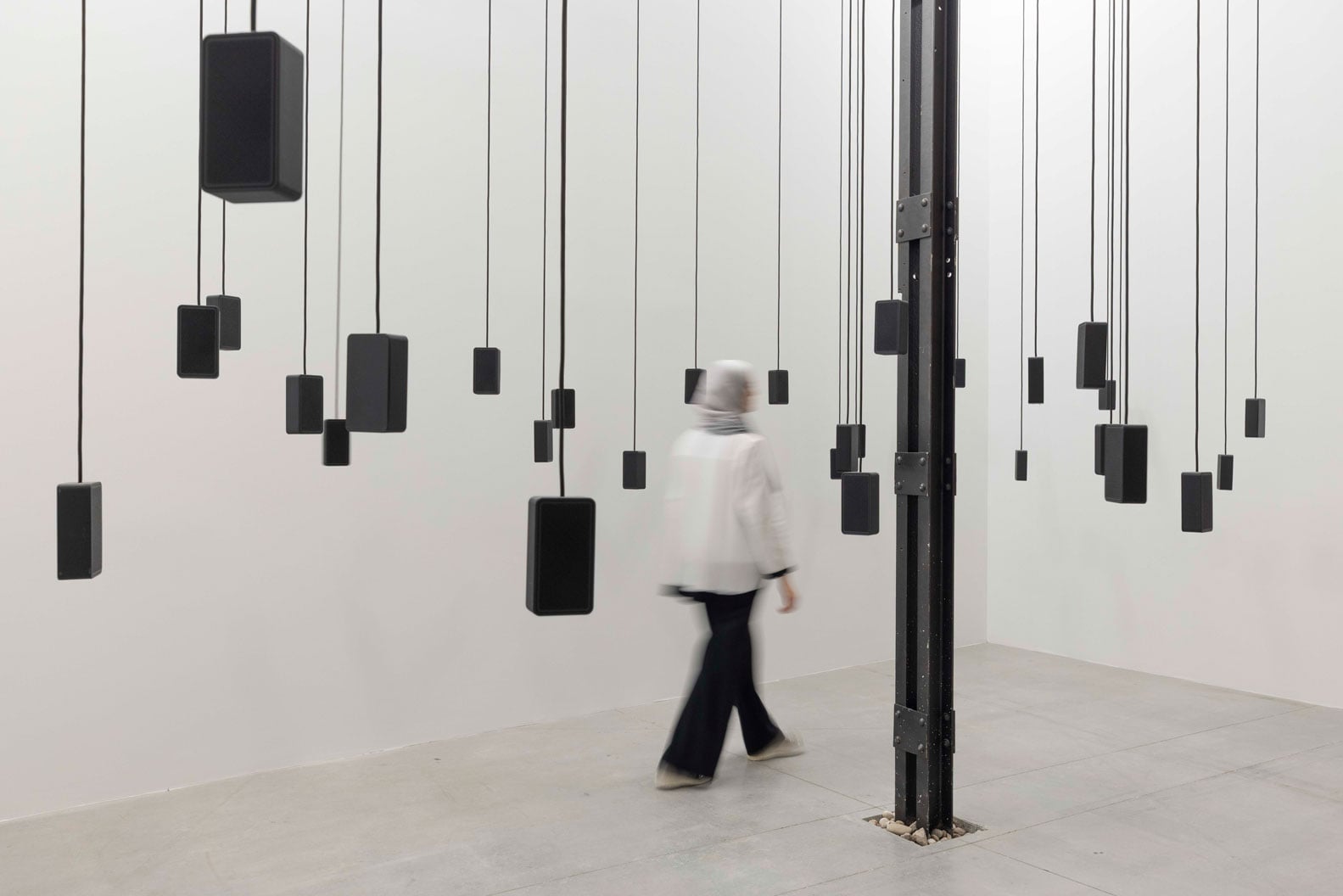
At the Venice Biennale, the UAE Pavilion at the Arsenale presents 'Washwasha,' a project curated by Bana Kattan that focuses on sound as an invisible infrastructure crossing cultures, memories, and identities. Featuring artists Tala Safié, Farah Al Qasimi, and Ala Younis, the pavilion eschews visual shock and political slogans for an immersive, auditory experience that prioritizes listening, proximity, and disorientation. Architect Koray Duman, who designed the space, explains in an interview that the pavilion is a deliberate counter to the contemporary culture of hyperstimulation and monetized attention, using architecture not as a container but as a system that organizes perception and emotional tension.
This matters because 'Washwasha' offers a quiet, anti-monumental alternative to the dominant trends of spectacle and overt political declaration at this year's Biennale, which has been marked by protests and geopolitical tensions. By foregrounding sound and fragility, the pavilion challenges the stereotypical image of the UAE as a hyper-developed, controlled spectacle, revealing a more nuanced, human complexity. The project also speaks to a broader crisis of listening in the digital age, positioning physical space as a crucial site for empathy, presence, and shared experience—making it a politically and culturally significant intervention in contemporary art and architecture.