arrow_back Back to all stories

person Antonino La Vela

newspaper Artribune article 21 articles

È morto l’artista dissidente russo Semyon Skrepetsky. Un confronto con Pussy Riot e Pavlensky

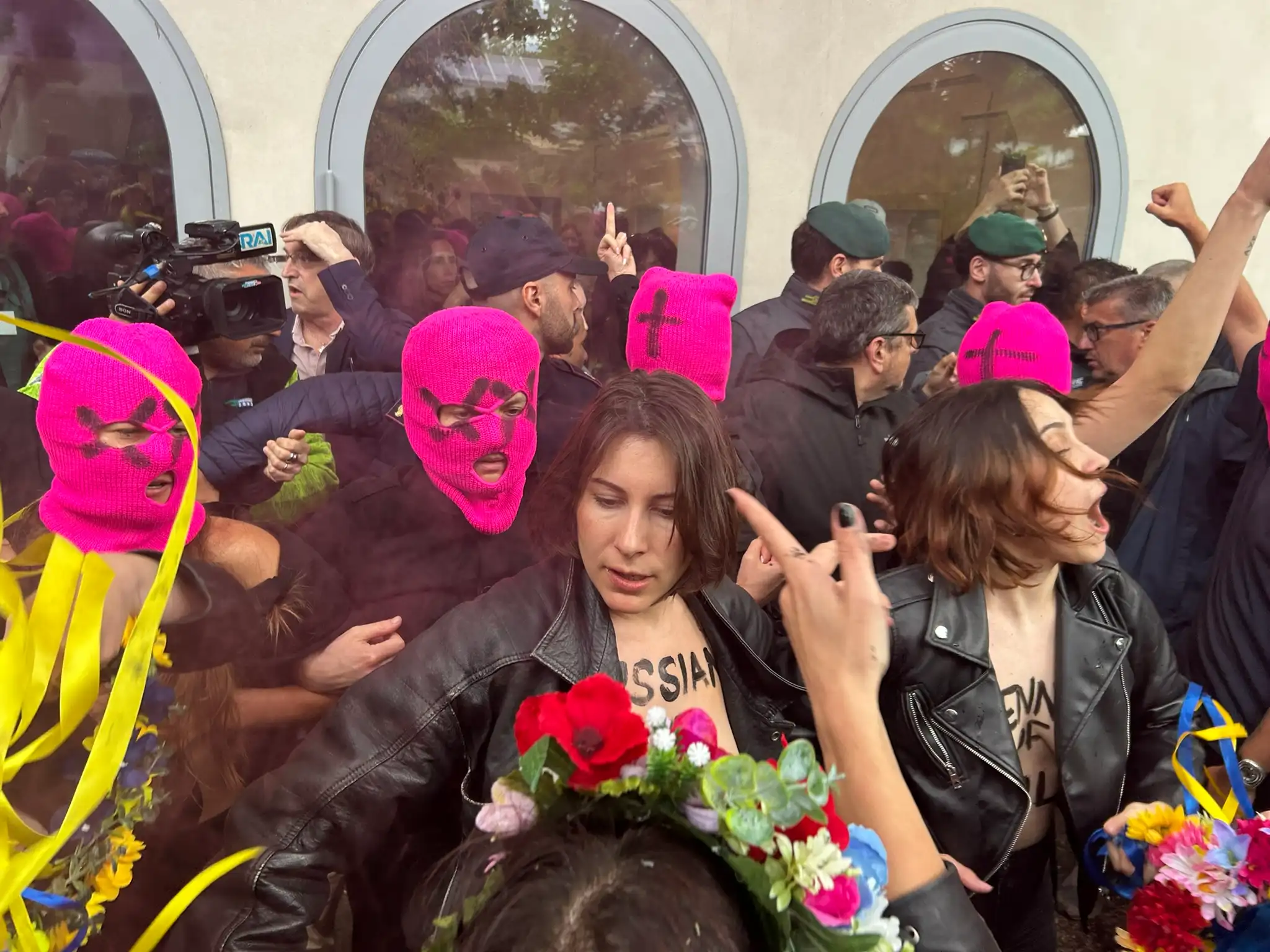
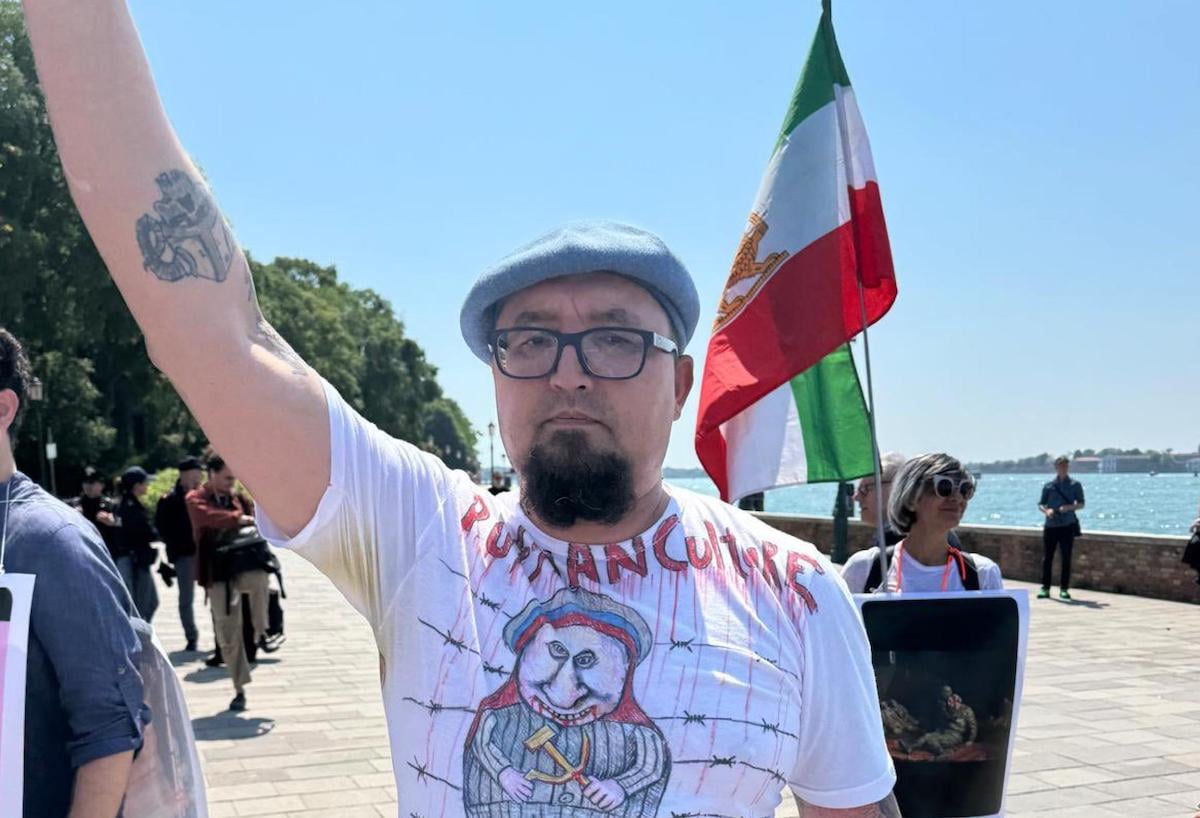
Russian dissident artist Semyon Skrepetsky, whose real name was Robert Kuzovkov, was killed on June 15. Known for his fierce satirical caricatures of Vladimir Putin, Ramzan Kadyrov, and Alexander Lukashenko, Skrepetsky was a refugee in Poland. He had recently been seen outside the Giardini at the Venice Biennale preview, holding two paintings during protests over the return of the Russian Pavilion. The article contrasts his quiet, unauthorized presence with the more confrontational action of Pussy Riot, who staged a protest inside the Biennale wearing pink balaclavas, questioning how a major international institution can legitimize a state deemed criminal.
Iran at the Venice Biennale: withdrawal, suspension or late return? The whole story

Iran alla Biennale di Venezia: ritiro, sospensione o ritorno tardivo? Tutta la storia

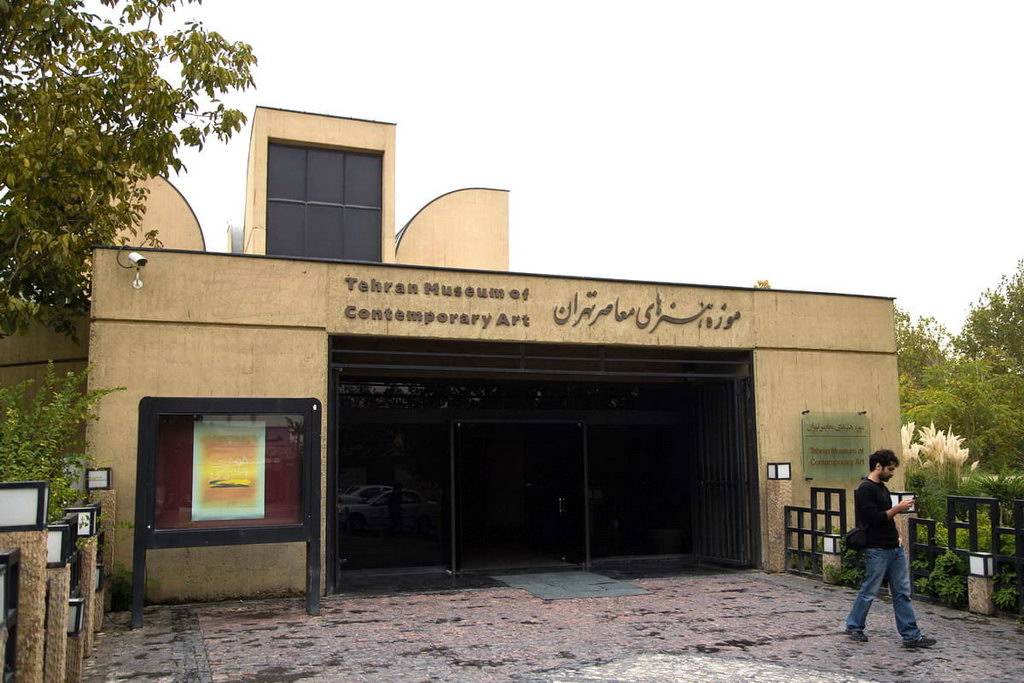
The article investigates the status of Iran's participation in the 2026 Venice Biennale. Initially, the Biennale announced that Iran would not participate, but the Iranian commissioner, Aydin Mahdizadeh Tehrani, publicly claimed the country had not withdrawn but requested a postponement. Artribune contacted the Iranian Cultural Institute in Rome and the Tehran Museum of Contemporary Art, which attributed the delay to the consequences of war, national mourning, organizational difficulties, and bureaucratic issues with visa issuance by the Italian Embassy in Tehran. The Iranian delegation maintains they aim to open the pavilion during the second period of the Biennale, despite not appearing on the official list of national participations.

The Ukrainian Pavilion at the 2026 Biennale Accuses the Failure of Politics. Interview with the Curator

Il Padiglione Ucraina alla Biennale 2026 accusa il fallimento della politica. Intervista alla curatrice

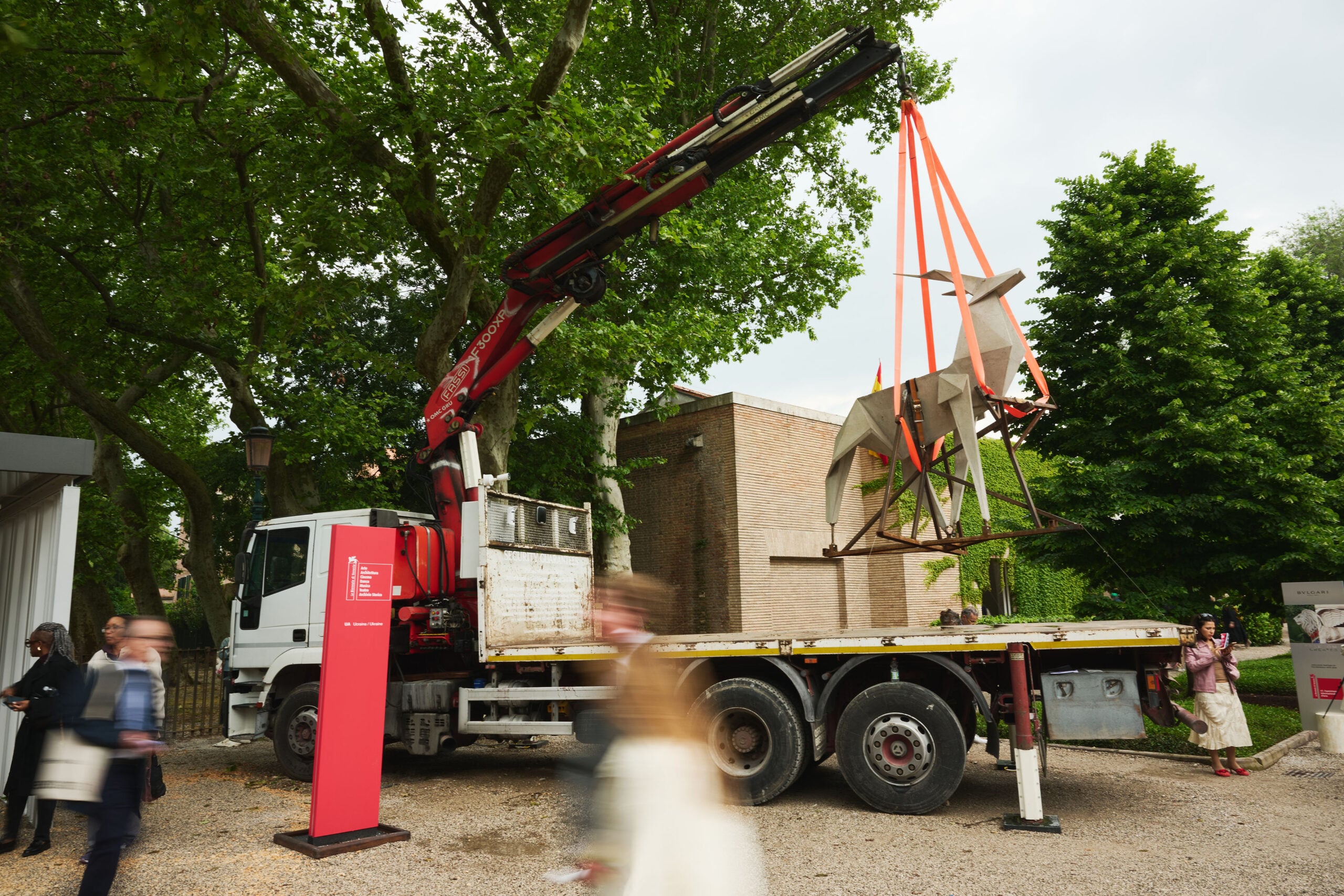
The Ukrainian Pavilion at the 2026 Venice Biennale, titled "Security Guarantees," presents a pointed critique of failed international security policies through the work of artist Zhanna Kadyrova. Central to the pavilion is her sculpture "The Origami Deer" (2019), originally created in Pokrovsk from a Soviet jet that once carried nuclear weapons. After being evacuated from the front line in August 2024 and transported 6,000 kilometers across Europe to Venice, the work has transformed from a humanitarian gesture into a political artifact that embodies the collapse of diplomatic promises, particularly the Budapest Memorandum. Curator Ksenia Malykh explains that the pavilion does not offer a comforting representation of Ukraine but instead confronts viewers with the fragility of global security guarantees.

Here's what power reveals when art stops obeying. The dissident artist Pyotr Pavlensky speaks

Ecco ciò che il potere rivela quando l’arte smette di obbedire. Parola all’artista dissidente Pyotr Pavlensky

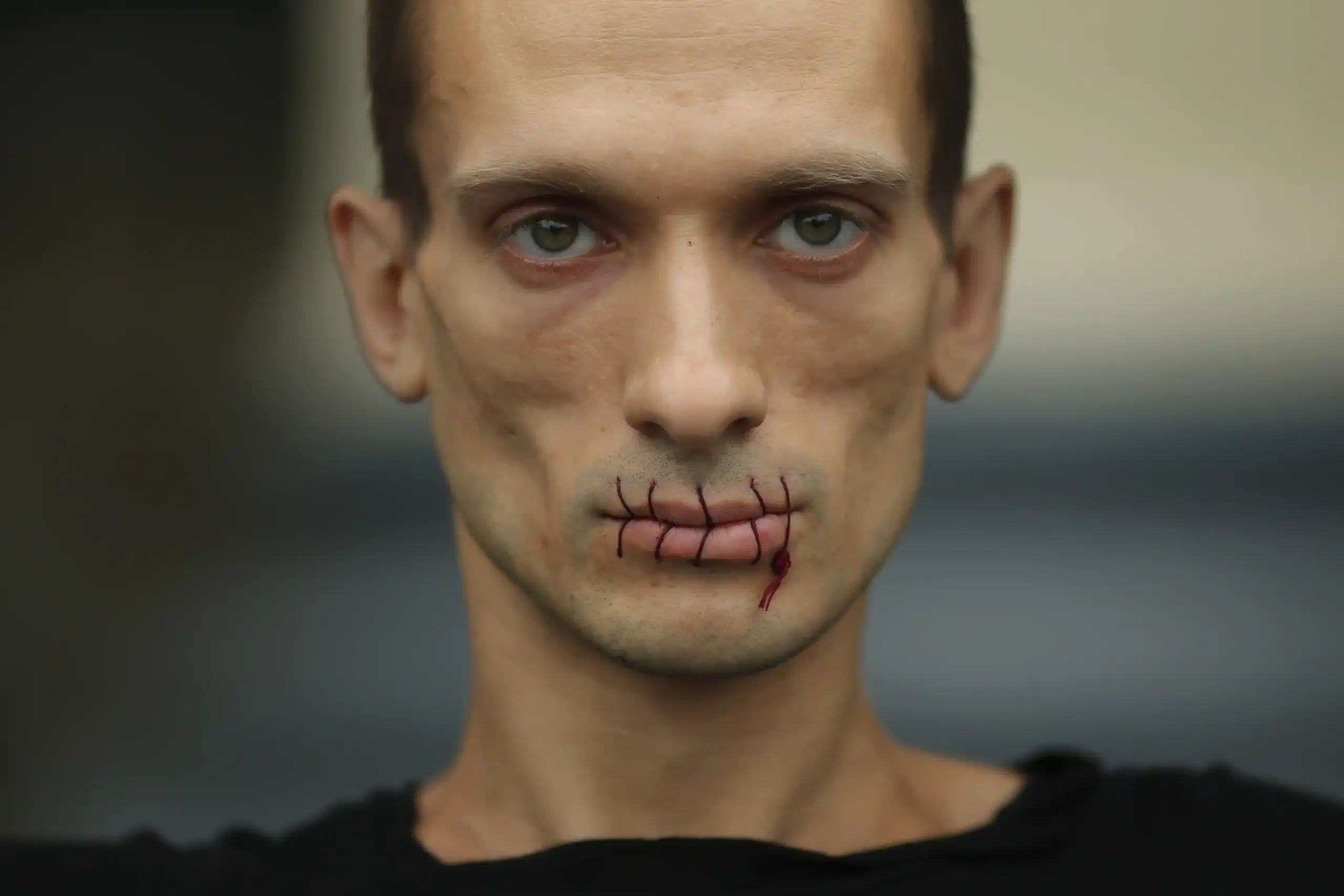
Russian dissident artist Pyotr Pavlensky, known for his provocative public acts such as sewing his lips shut outside Kazan Cathedral in 2012, discusses his new book "Subject-Object Art Theory" (published December 2025) and his ongoing confrontation with state power. In an interview with Artribune, Pavlensky argues that artistic freedom does not exist in either Russia or France, claiming that France uses contemporary art as a tool of political propaganda and that its repression is more sophisticated and cruel. He cites the appointment of former intelligence official Serge Lasvignes as president of the Centre Pompidou (2015–2021) as evidence of state control over art.

"Art should make us uncomfortable, not protect us." Interview with the artist of the Netherlands Pavilion at the 2026 Biennale

“L’arte dovrebbe metterci a disagio, non proteggerci”. Intervista all’artista del Padiglione Paesi Bassi alla Biennale 2026

Dutch artist Dries Verhoeven and curator Rieke Vos have transformed the Netherlands Pavilion at the 2026 Venice Biennale into a progressively closing structure titled "The Fortress." Designed by Gerrit Rietveld, the pavilion slowly shuts itself off from light as metal shutters descend, plunging visitors into darkness where performers use death-metal grunting as a visceral, physical language. The work became one of the most politically charged sites at the Biennale after a temporary closure in solidarity with the ANGA movement against Israeli presence at the Giardini.

When Light Becomes Community. Artist Marinella Senatore Tells Us About Her Exhibition in a Puglian Masseria

Quando la luce diventa comunità. L’artista Marinella Senatore ci racconta la sua mostra in una masseria pugliese

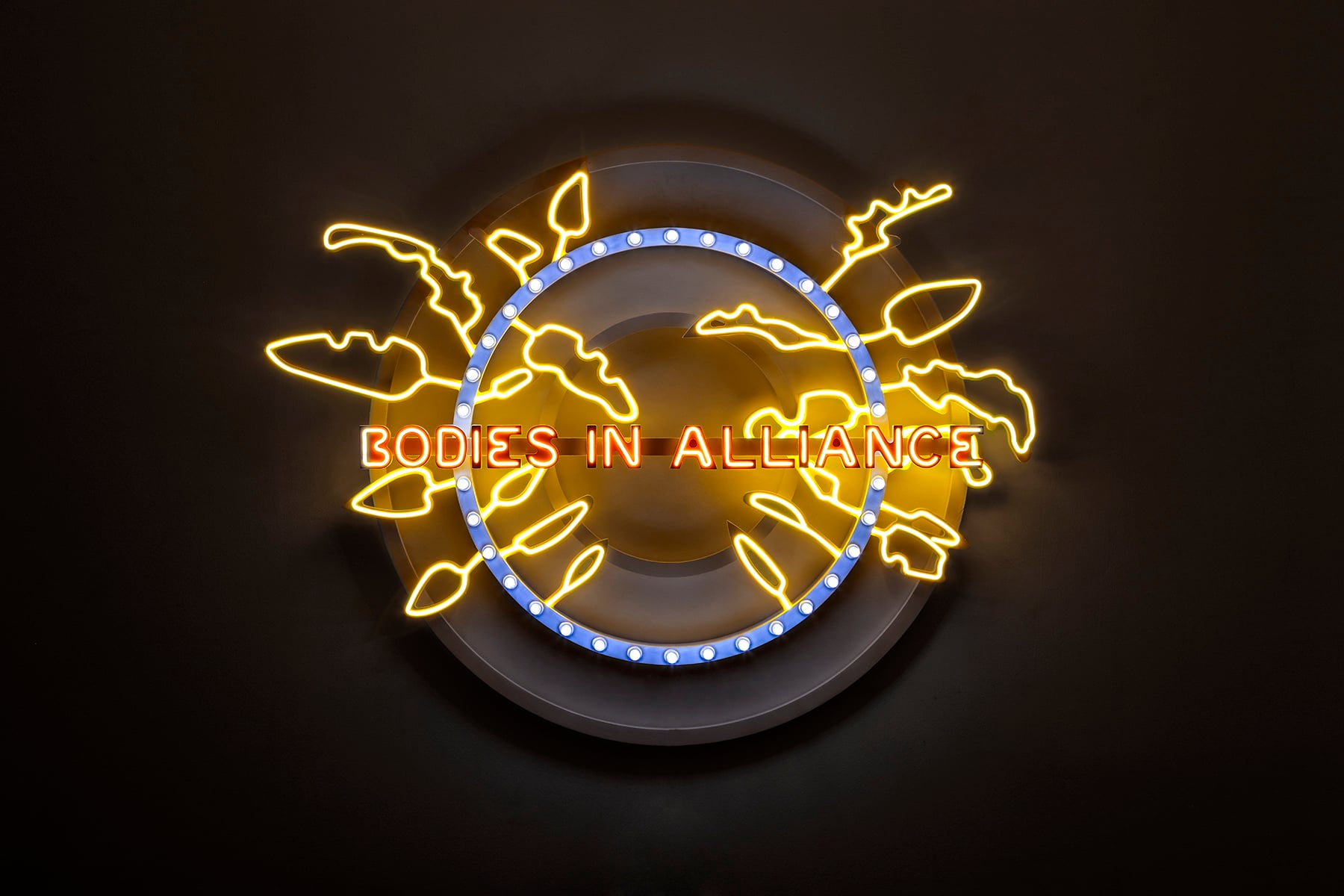
Italian artist Marinella Senatore presents her first solo exhibition in Puglia, "We Rise By Lifting Others," at Masseria Torre Maizza from May 29 to September 8, 2026. Curated by Raffaele Quattrone and developed for Rocco Forte Hotels, the show transforms the masseria into an immersive journey where six light installations dialogue with the region's tradition of luminarie (festive light displays) and themes of community and collective memory. In an interview, Senatore explains that her luminous architectures are not merely decorative but serve as emotional, social, and political devices that activate real encounters and belonging in an era of hyper-individualism and digital dematerialization.

Al Padiglione Emirati della Biennale di Venezia l’ascolto passa dall’architettura

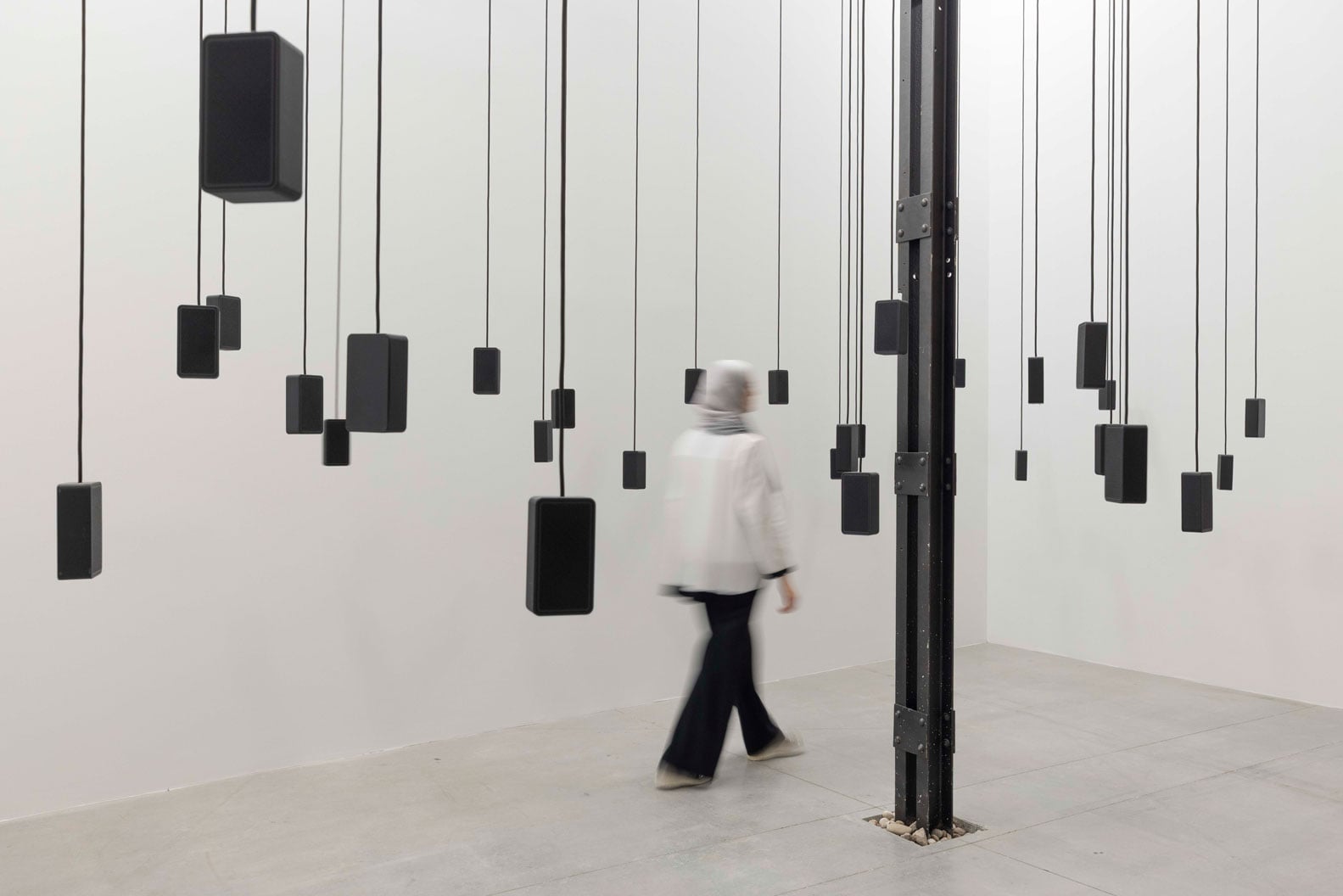
At the Venice Biennale, the UAE Pavilion at the Arsenale presents 'Washwasha,' a project curated by Bana Kattan that focuses on sound as an invisible infrastructure crossing cultures, memories, and identities. Featuring artists Tala Safié, Farah Al Qasimi, and Ala Younis, the pavilion eschews visual shock and political slogans for an immersive, auditory experience that prioritizes listening, proximity, and disorientation. Architect Koray Duman, who designed the space, explains in an interview that the pavilion is a deliberate counter to the contemporary culture of hyperstimulation and monetized attention, using architecture not as a container but as a system that organizes perception and emotional tension.

Russian art today is blood. A tough interview with Pussy Riot

“L’arte russa oggi è il sangue”. Una dura intervista alle Pussy Riot

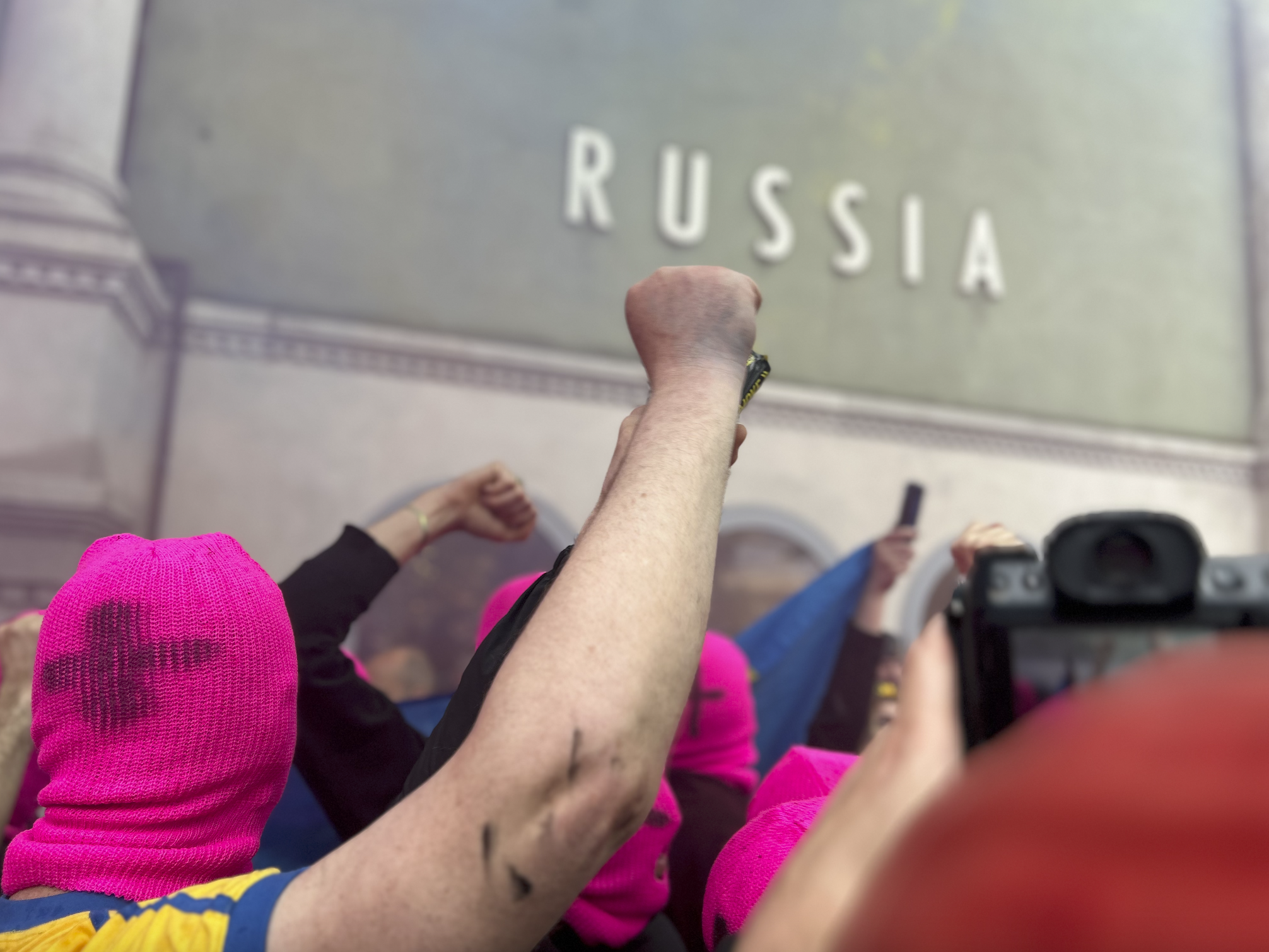
During the preview of the 2026 Venice Biennale, the Russian Pavilion became the site of a protest by Pussy Riot and FEMEN, who staged an action called "STORM OF VENICE." Wearing pink balaclavas and carrying radical slogans, they denounced Russia's presence at the Biennale, accusing the Kremlin and the European cultural system of complicity. The protest centered on the phrase "Blood is Russia's art." In an interview, Pussy Riot member Nadya Tolokonnikova argues that artists who represent the official Russian Pavilion become instruments of the aggressive imperial state, and that the Biennale confuses cultural dialogue with political normalization.

How Do You Curate an Exhibition on Genocide? Faisal Saleh and the Palestinian Question That Crosses the Venice Biennale

“Come si cura una mostra sul genocidio?”: Faisal Saleh e la domanda palestinese che attraversa la Biennale di Venezia

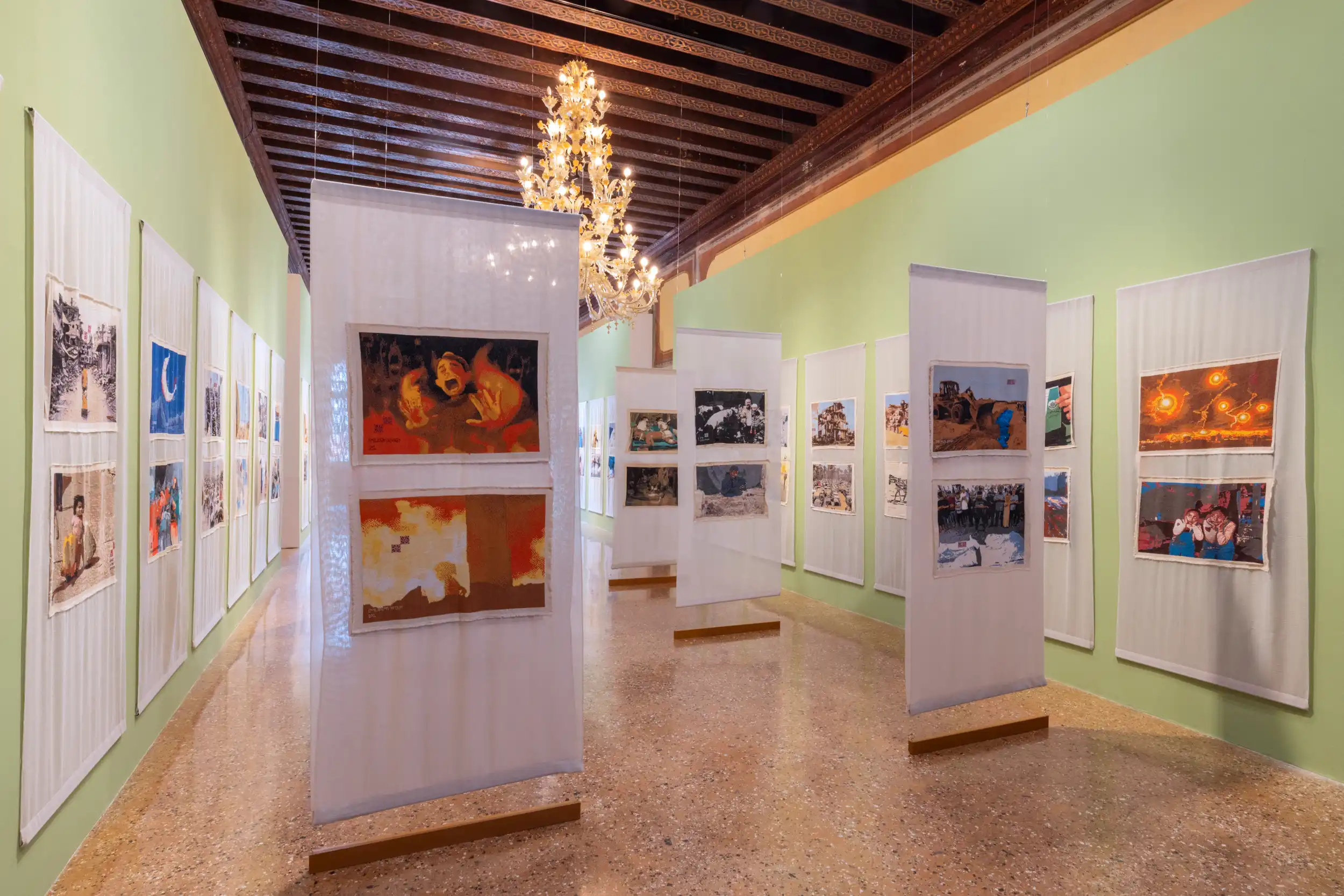
At the 2026 Venice Biennale, a collateral exhibition titled “Gaza – No Words – See the Exhibit” presents 100 embroidered works using the traditional Palestinian technique of Tatreez. Curated by artist Faisal Saleh, founder of the Palestine Museum US, the show transforms embroidery from decoration into political testimony, reconstructing scenes from Gaza over the past two and a half years: shrouded bodies, killed children, mothers bidding farewell, bombed hospitals. The exhibition is housed at Palazzo Mora and has been called by many visitors “the real Palestinian Pavilion” of the Biennale, though it is not an official national pavilion.

The Language Beyond the Human in the Surprising Polish Pavilion at the 2026 Venice Biennale. The Interview

Il linguaggio oltre l’umano nel sorprendente Padiglione Polonia alla Biennale di Venezia 2026. L’intervista

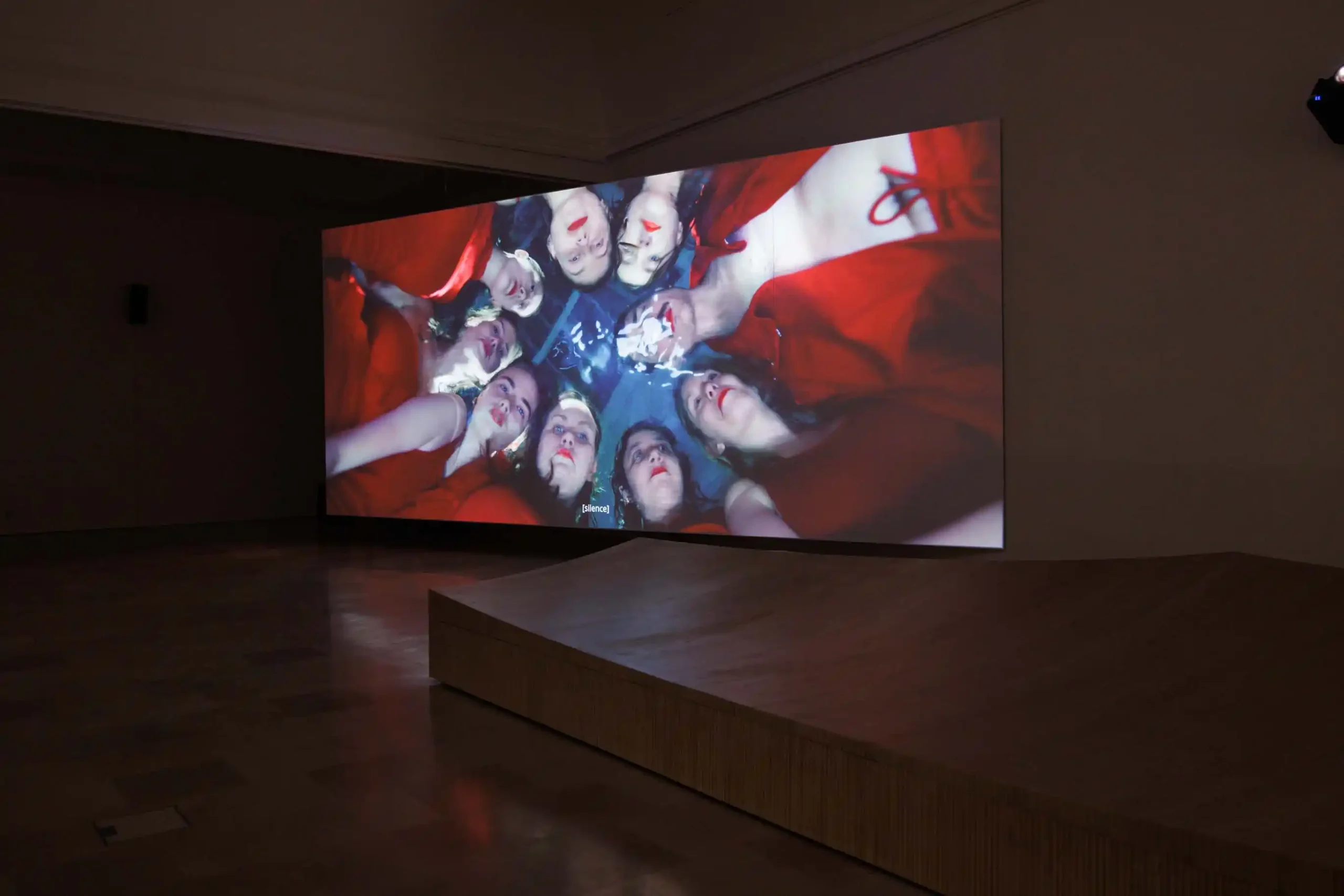
The Polish Pavilion at the 2026 Venice Biennale presents "Liquid Tongues," a project by artists Bogna Burska and Daniel Kotowski, curated by Ewa Chomicka and Jolanta Woszczenko with the collective Choir in Motion. The installation eschews spectacle for a subtle, immersive exploration of language beyond the human voice, incorporating sign language, underwater immersion, choreography, and whale songs to destabilize conventional communication.

Interview with the artist of the Danish Pavilion at the 2026 Venice Biennale who staged the porn stars

Intervista all’artista del Padiglione Danese della Biennale di Venezia 2026 che ha messo in scena i porno divi

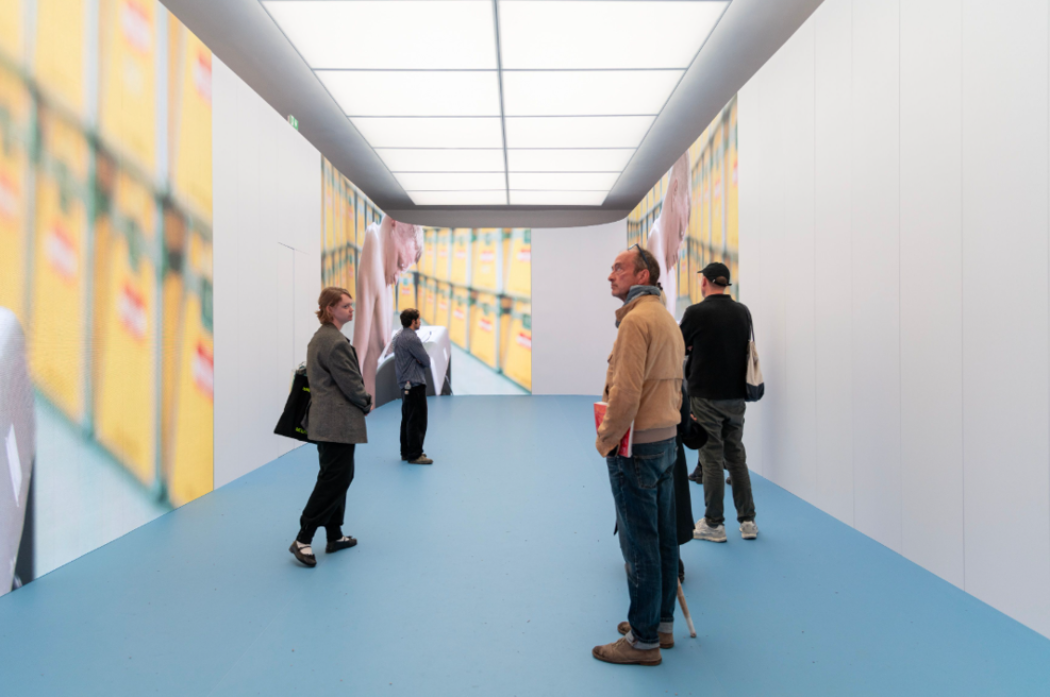
The Danish Pavilion at the 2026 Venice Biennale presents "Things to Come," a project by artist Maja Malou Lyse (b. 1993, Denmark), curated by Chus Martínez. The installation combines a three-channel video developed with DIS, materials from Cryos (the world's largest sperm bank), and performers from the porn industry, embedding them within the pavilion's architecture to explore the convergence of pornography, biotechnology, desire, and visual culture as a single system of imaginary production.

Is there really an energy transformation in Marina Abramović's exhibition in Venice?

Nella mostra di Marina Abramović a Venezia c’è davvero una trasformazione di energia?

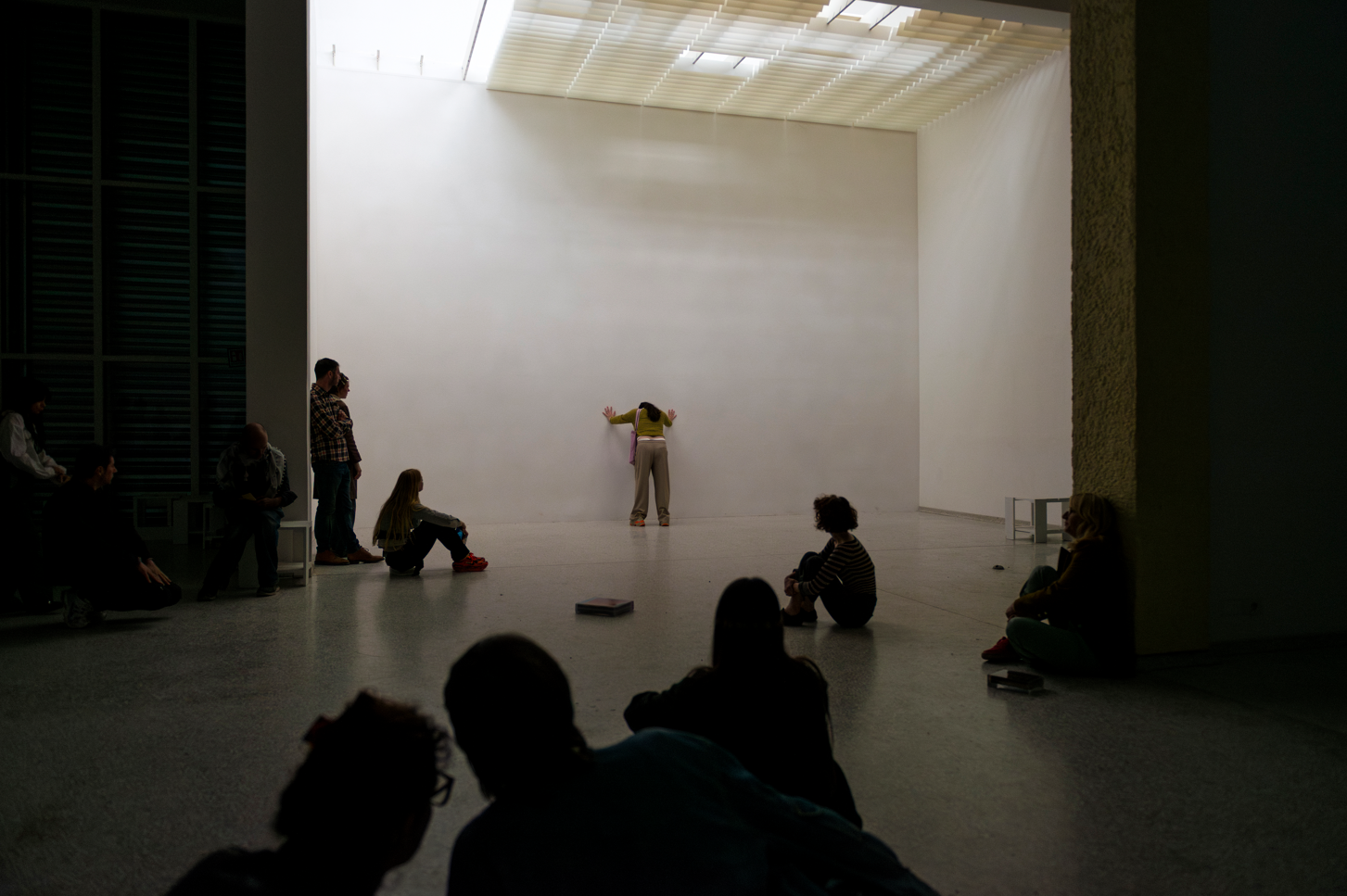
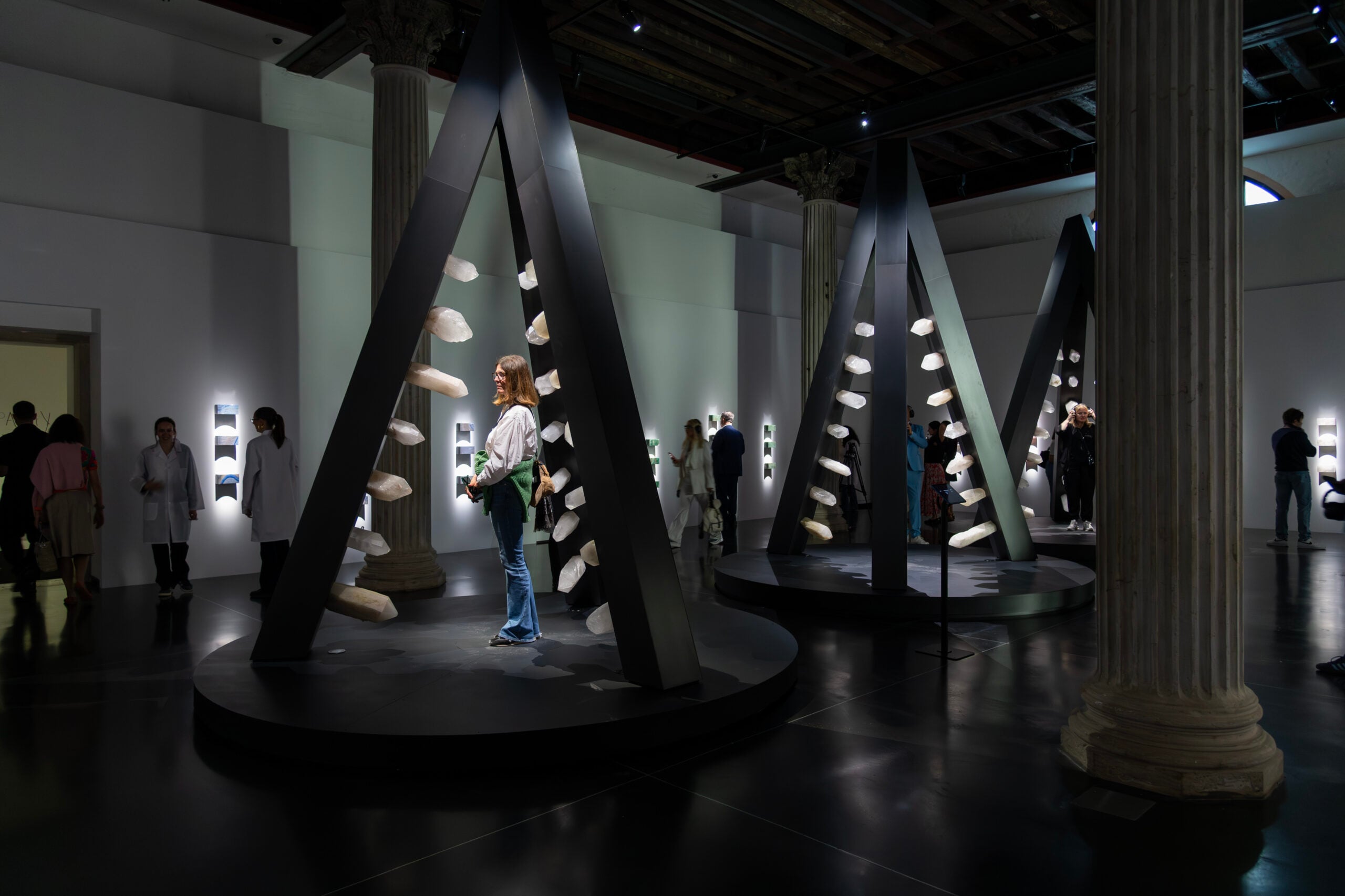
At the Gallerie dell'Accademia in Venice, Marina Abramović's exhibition "Transforming Energy" opens to the public from May 9 to September 30, 2026, as part of the 2026 Venice Biennale. The show is designed as an experiential device that moves beyond traditional exhibition formats, inviting viewers to determine their own presence through a sequence of rooms built around relationships between body, materials, and time. Crystals and locks of hair function not as decoration but as presences to be inhabited, demanding radical attention rather than spectacular participation. During the press conference, Abramović and curator Shai Baitel insisted that the materials, especially the crystals, possess real energy capable of directly affecting the viewer's body and perception, not merely as metaphor but as an active condition.

Il Padiglione della Natura alla Biennale di Venezia. Ovvero due gabbiani che mettono in crisi il patriarcato

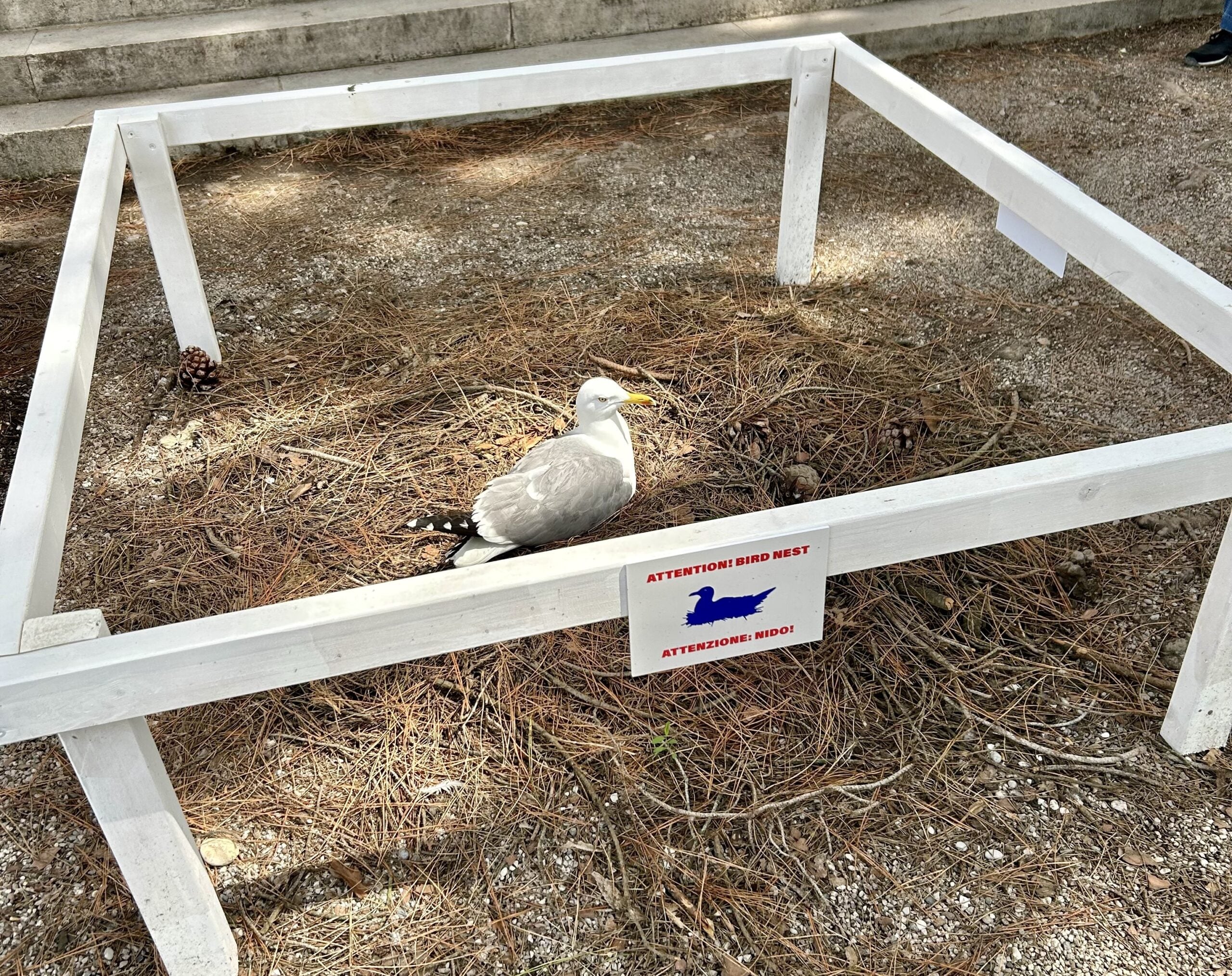
At the 2026 Venice Biennale, two seagulls built a nest in front of the Polish Pavilion in the Giardini. Organizers chose to protect the nest with a small fence and a sign, turning it into an unofficial "Nature Pavilion." The birds share incubation duties equally, drawing large crowds who pause to watch their cooperative behavior amid the Biennale's intense geopolitical tensions, including protests against the Russian Pavilion, pro-Palestinian actions, and debates over Israel's cultural role.

L’artista Kader Attia ci racconta la sua opera alla Biennale di Venezia 2026. L’intervista

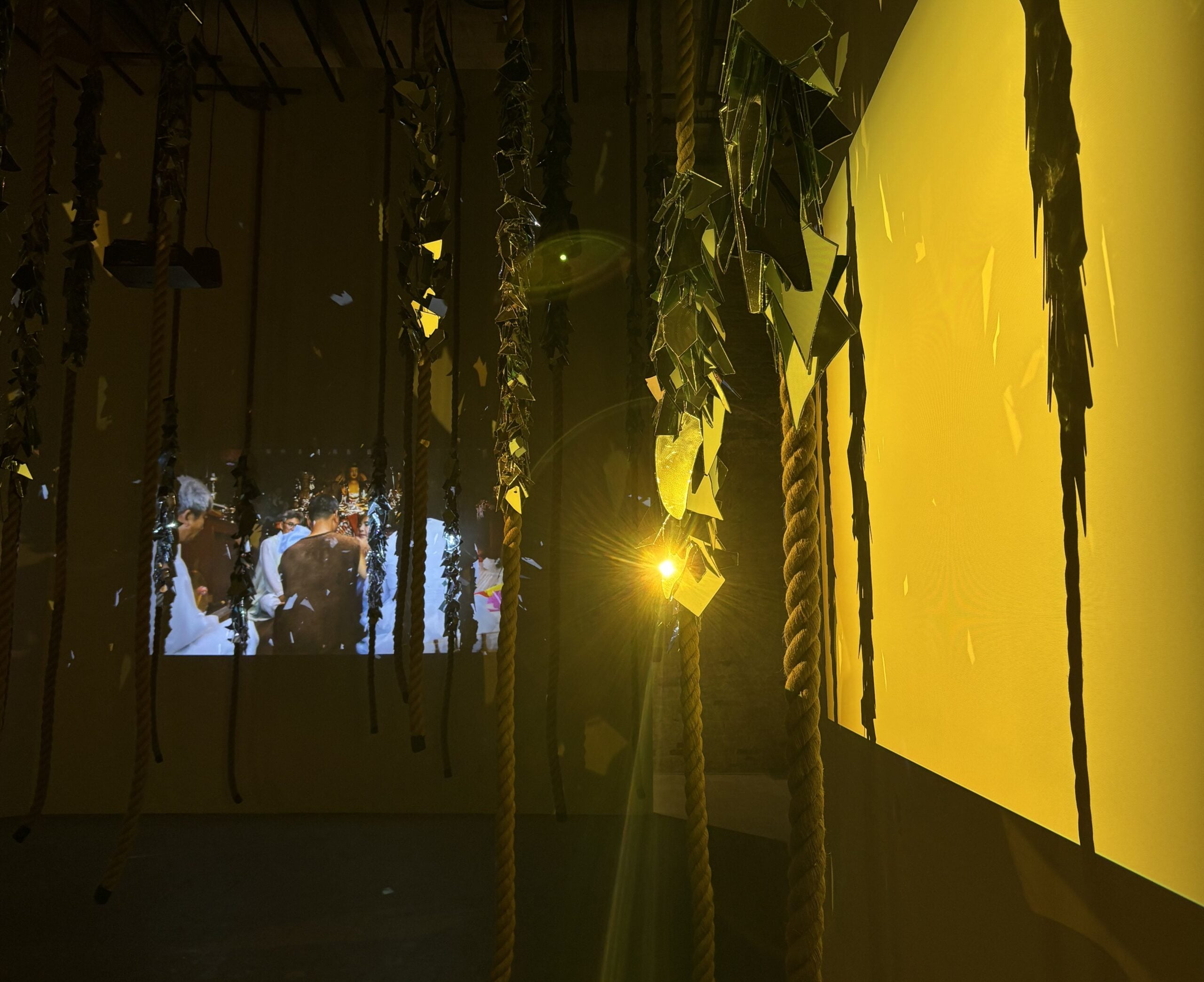
Kader Attia presents his multimedia installation "Whisper of Traces" at the 2026 Venice Biennale, curated by Koyo Kouoh under the theme "In Minor Keys." The work explores the intersections of magic, spirituality, traditional healing, and digitalization, drawing on Attia's long-standing interest in how colonialism, neoliberalism, and technology have transformed shamanic and healing practices. Attia describes the project as an accumulation of psychic traces from human history, which his mother called "ghosts."

Interview with the artist of the enchanting New Zealand Pavilion at the 2026 Venice Biennale

Intervista all’artista dell’ammaliante Padiglione Nuova Zelanda alla Biennale Arte 2026

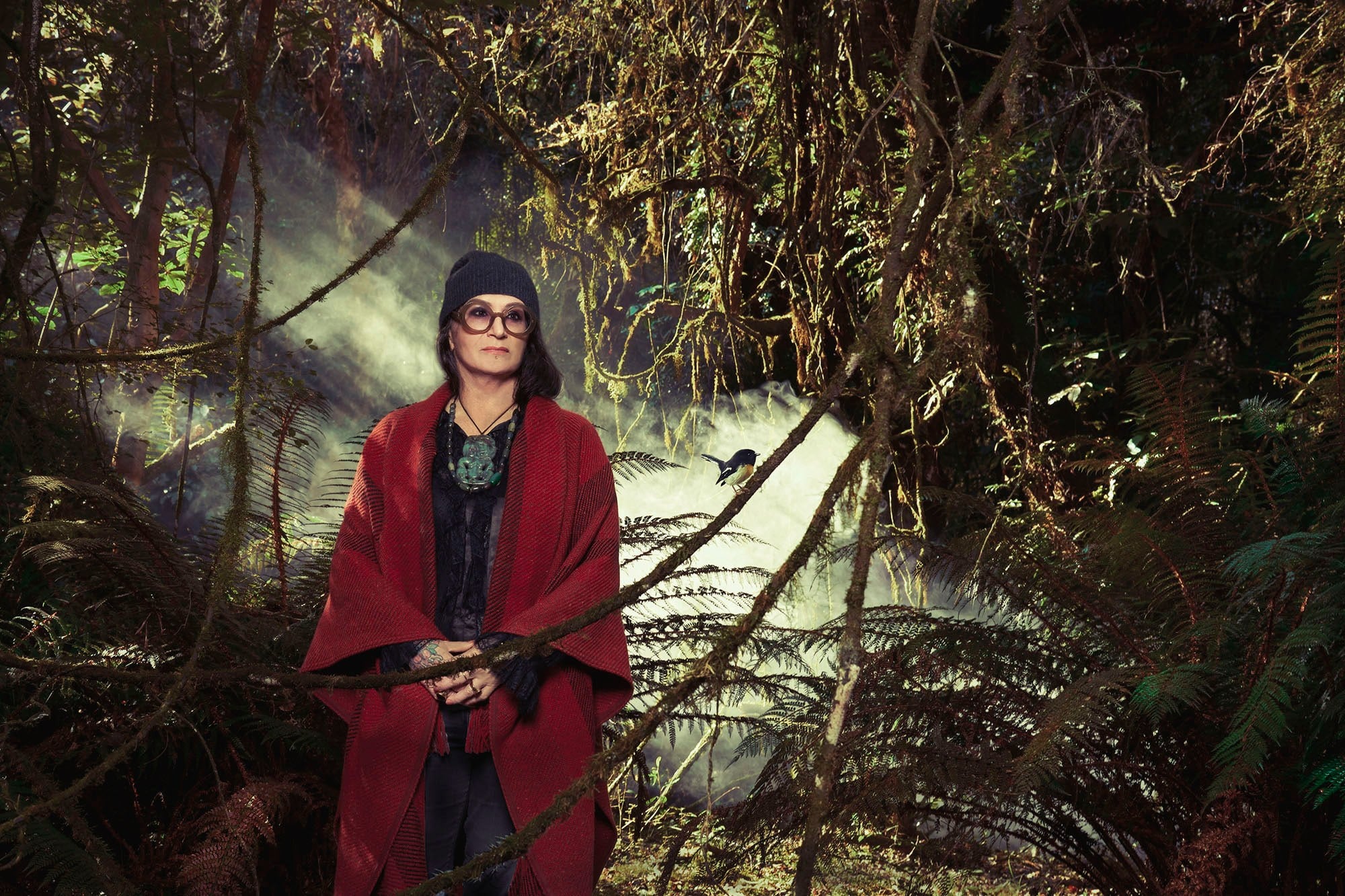
Fiona Pardington, a Māori artist from Devonport (1961), will represent New Zealand at the 2026 Venice Biennale with a deeply spiritual and ecologically conscious installation in the national pavilion. Her project centers on the takahe, a bird long thought extinct, using photography, sound, and immersive space to evoke loss, memory, and transformation. Pardington’s work draws on Ngāi Tahu culture, colonial history, and natural history, featuring a taxidermied takahe specimen from the British Museum that she re-photographed and chromatically restored.

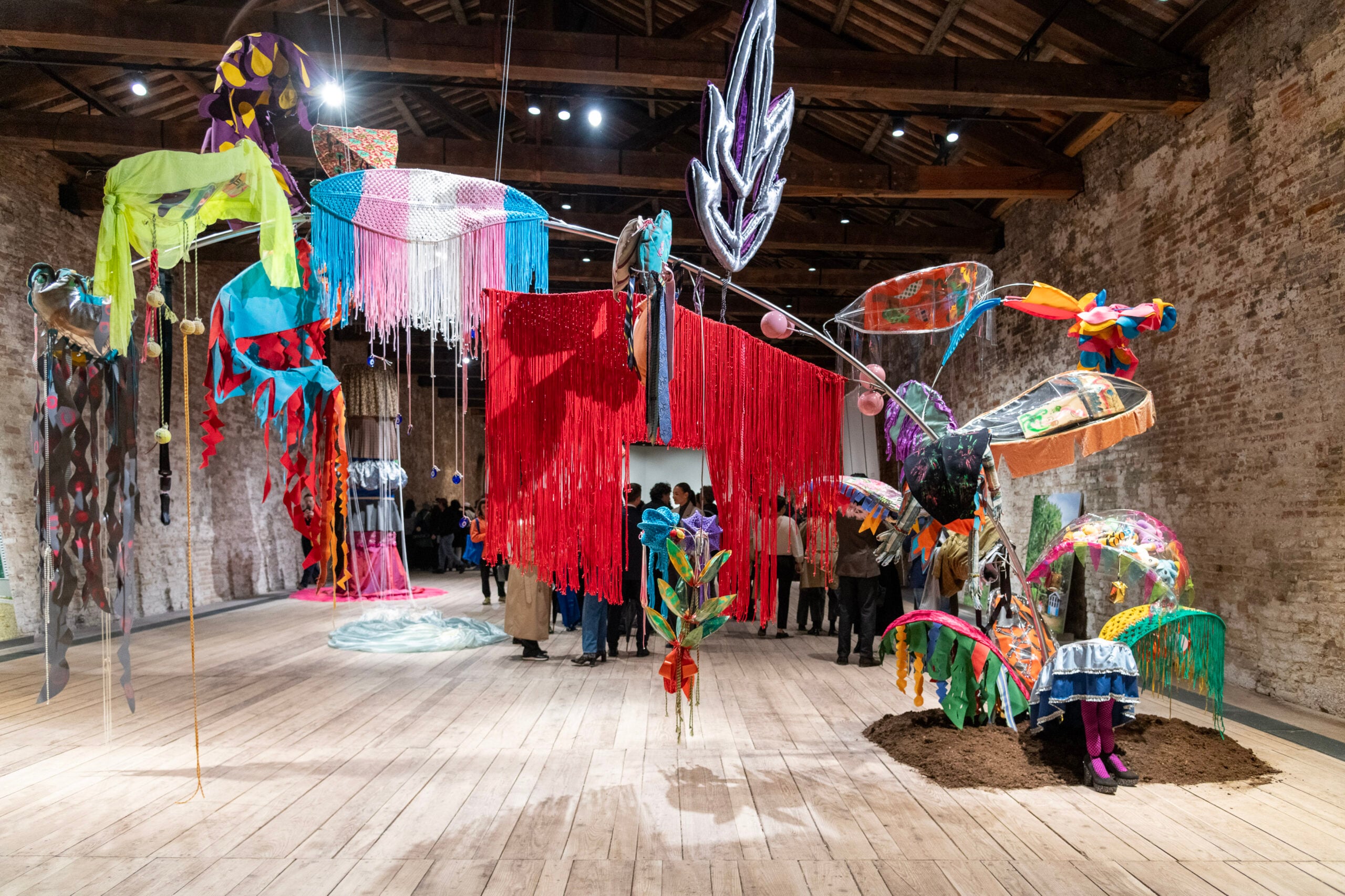
Nick Cave at the 2026 Biennale. Seven works between loss, memory and protest

Nick Cave è alla Biennale 2026. Sette opere tra perdita, memoria e protesta

Nick Cave presents "Two Points in Time at Once" at the 2026 Venice Biennale, a project spanning seven locations across Venice. The installation features a series of bronze works, including the "Amalgam" series (Seated, Origin, Plot, Resuscitation, Meditation) along with "Grapht" and "Siren." This marks a significant material shift from Cave's iconic fabric Soundsuits to bronze, exploring themes of loss, memory, trauma, and protest through a more static yet politically charged presence.

Delicacy as Resistance. Interview with the Curator of the Turkey Pavilion at the Venice Biennale

La delicatezza come resistenza. Intervista alla curatrice del Padiglione Turchia alla Biennale di Venezia

For the 2026 Venice Biennale, the Turkey Pavilion, commissioned by the Istanbul Foundation for Culture and Arts (İKSV), will present "A Kiss on the Eyes" by artist Nilbar Güreş, curated by Başak Doğa Temür. The exhibition takes its title from a Turkish expression conveying affectionate closeness without intrusion, and features a mix of new productions and earlier works spanning sculpture, installation, painting, and works on paper and fabric. In an interview, curator Temür explains that the project avoids a retrospective or didactic approach, instead creating a spatial rhythm of approach, pause, and slight withdrawal, where intimacy, politics, irony, and fragility press against one another.

Interview with Nina Wakeford of the Swiss Pavilion at the 2026 Venice Biennale

Intervista a Nina Wakeford del Padiglione Svizzero alla Biennale di Venezia 2026

Nina Wakeford, artist and curator of the Swiss Pavilion at the 2026 Venice Biennale, discusses the pavilion's project "The Unfinished Business of Living Together." The exhibition draws on two Swiss television broadcasts from 1978 and 1984—Telearena and Agora—in which gay, lesbian, and trans individuals spoke on national television. Rather than treating these as historical artifacts, Wakeford and her team (Gianmaria Andreetta, Luca Beeler, Miriam Laura Leonardi, Lithic Alliance, and Yul Tomatala) reactivate them as points of tension, creating a multimedia environment that explores unresolved issues of coexistence, visibility, and social difference.

Pussy Riot and FEMEN protest at the Russian Pavilion at the Venice Biennale. "Blood is the true language of Russia"

Le Pussy Riot e le FEMEN in protesta al Padiglione russo alla Biennale di Venezia. “Il sangue è il vero linguaggio della Russia”

On May 6, 2026, during the preview days of the 61st Venice Biennale, Pussy Riot and FEMEN staged a joint protest outside the Russian Pavilion. Led by Nadya Tolokonnikova, the activists denounced Russia's participation in the Biennale as a form of political normalization while the war in Ukraine continues. The action included chants and slogans such as "Russia kills, Biennale exhibits. Blood is Russia's art," and targeted the Russian ambassador present inside the pavilion. The protest was unannounced and caught Biennale security off guard, drawing a crowd of journalists, visitors, and art professionals.

Annalee Davis at the 2026 Venice Art Biennale. Landscape as mourning, archive and resistance in the Barbados Pavilion

Annalee Davis alla Biennale Arte di Venezia 2026. Il paesaggio come lutto, archivio e resistenza nel Padiglione Barbados

Annalee Davis, an artist from Barbados, will represent her country at the 2026 Venice Biennale with an installation titled "Let this be my Cathedral" within the exhibition "In Minor Keys." The work addresses ecological grief, colonial memory, and the possibility of care without erasing conflict, using suspended plants and organic materials to create a threshold where loss, vulnerability, and wonder remain in tension. Davis discusses the influence of curator Koyo Kouoh, whose vision shaped the Biennale, and the importance of research as an integral part of her artistic process.

"Our regime does not represent our culture". Interview on the Belarusian project during the Venice Biennale

“Il nostro regime non rappresenta la nostra cultura”. Intervista sul progetto bielorusso durante la Biennale di Venezia

The article is an interview with Daniella Kaliada, curator of the Belarusian project "Official. Unofficial." presented at the Venice Biennale in the church of San Giovanni Evangelista. Organized by the Belarus Free Theatre, an independent underground group, the exhibition features site-specific paintings by Sergey Grinevich, a sound installation by Olga Podgayskaya, and large-scale sculptures by Vladimir Tsesler. The project includes a sphere of banned books crushed by a bulldozer, testimonies of recently released political prisoners, and sculptures made from prison bars, all addressing censorship and political trauma without direct representation of suffering.