
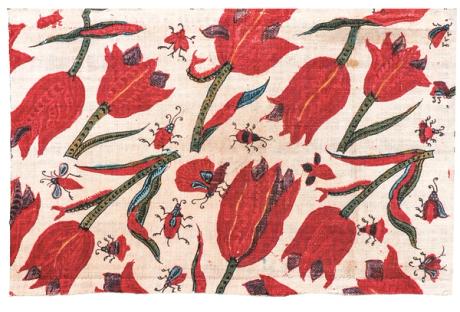
A new book titled *Chintz: Indian Cotton Textiles from the Karun Thakar Collection* explores the history of chintz, a block-printed Indian textile pattern that was traded globally for over a thousand years before European colonialism. Based on one of the world's largest textile collections, the volume features essays by 12 scholars and traces how these intricately designed cloths traveled to Japan, Indonesia, France, and Britain, influencing local fashions and sparking cross-cultural exchange. The book highlights the challenges of studying textiles from oral societies, where makers remain unnamed and many pieces have not survived.
This publication matters because it reframes chintz not as a mere decorative fabric for home furnishings but as a sophisticated global art form with deep roots in indigenous artistry and premodern trade networks. By recovering the lost history of Indian textile makers and their influence on design worldwide, the book challenges Eurocentric narratives of art history and underscores the role of South Asia in shaping global visual culture. It also draws attention to the fragility of textile heritage, making a case for preserving and studying these ephemeral objects.