
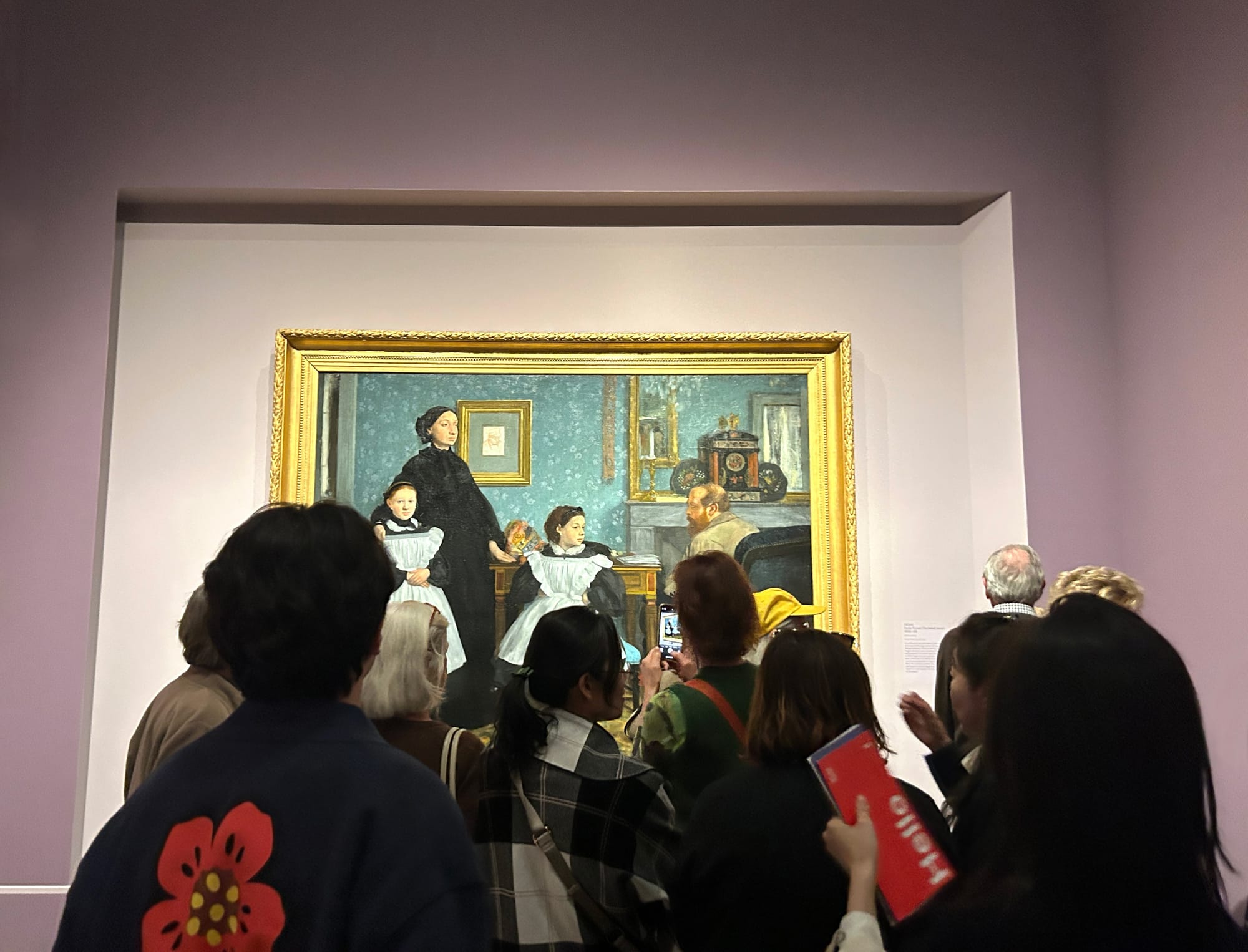
A study published in the journal *Innovation in Aging* by researchers at University College London, led by psychobiologist Daisy Fancourt, claims that engaging with arts and culture—including visiting museums, taking photographs, and attending performances—can slow biological aging. Analyzing data from 3,556 UK adults, the study found that monthly cultural engagement was associated with being 1.02 biological years younger than those who participated only once or twice a year, based on seven epigenetic clock markers from blood samples. The research, supported by UK Research and Innovation and the University of Florida’s EpiArts Lab, also compared the anti-aging effects of arts engagement to physical exercise.
This matters because it adds to a growing body of evidence that arts engagement is a fundamental pillar of health, alongside exercise, diet, and sleep. As the global population ages, the findings could inform public health interventions aimed at increasing individuals' 'healthspan'—the time spent free from disease and physically fit. The study builds on prior research linking art interaction to reduced cortisol levels and alleviated depression symptoms, potentially reshaping how policymakers and healthcare providers view the role of cultural activities in healthy aging.