
New York City's cultural institutions operate within a public-private model dating to 1869, stewarding city-owned assets to deliver free and low-cost access to millions. The article argues that despite serving over 4 million people annually at no cost, generating $110 billion in economic activity, and supporting 15,700+ jobs, culture receives only 0.21% of the city's budget—below its long-term average. Recent investments included $75 million, but $30 million remains one-time funding, creating instability for small and community-based organizations.
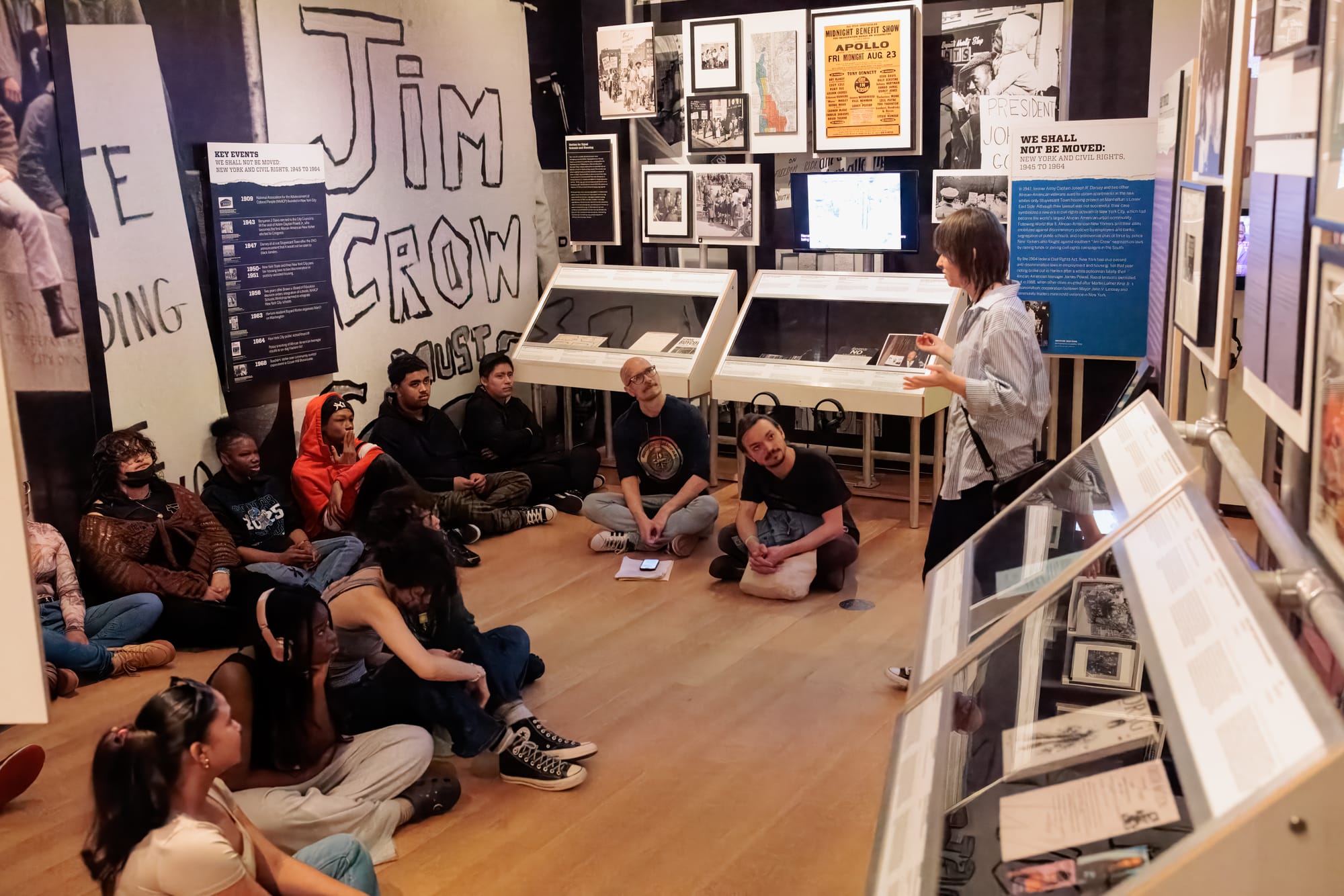
This matters because cultural institutions function as essential civic infrastructure—serving as early voting sites, cooling centers, pandemic response partners, and reaching 82% of NYC public schools through educational partnerships. The piece advocates for "pothole politics" applied to culture: steady, predictable, baselined funding rather than one-time allocations. Restoring and baselining $30 million for the Department of Cultural Affairs, developing a comprehensive capital plan, and sustaining programs like CASA and Su-CASA would treat cultural institutions as the vital public systems they are, ensuring New Yorkers continue to experience the daily benefits of accessible arts and community connection.