
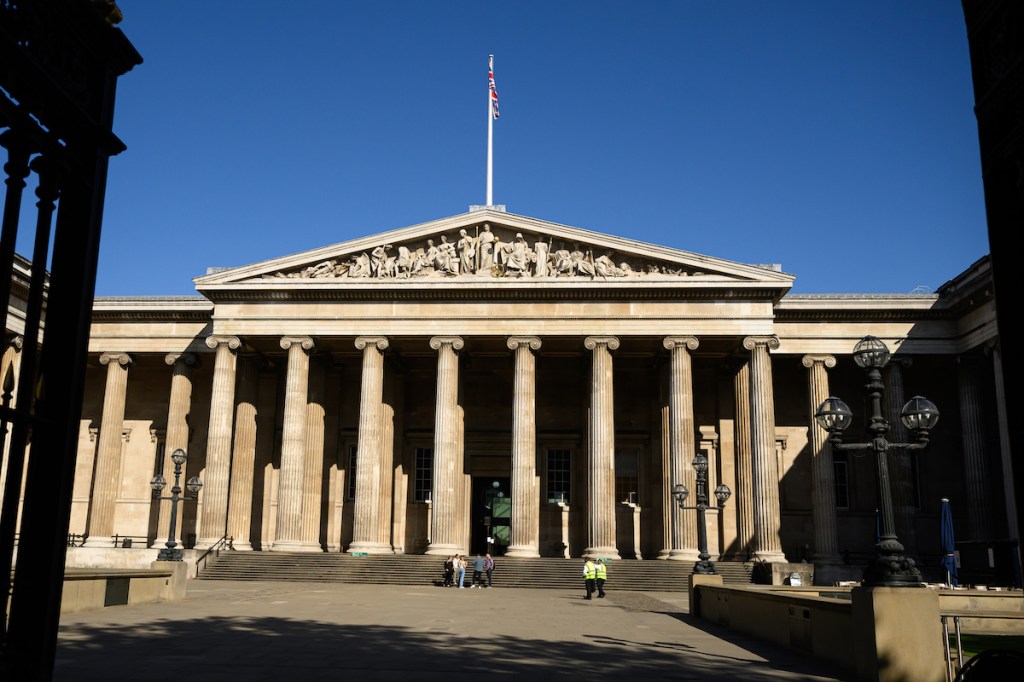
The British Museum postponed a planned lecture titled "The Ancient History of Israel and Judah," originally scheduled as part of Jewish Culture Month, citing fears that a "significant proportion" of expected attendees intended to protest and disrupt the event. The museum announced the delay on Thursday, stating it acted to protect the event's safety and integrity, but did not initially disclose the lecture's subject. On Friday, the museum rescheduled the talk for early June, though no specific date was given. The decision drew criticism from figures across the political spectrum, including historian Simon Schama and the activist group Jewish Artists for Palestine.
This incident matters because it highlights the growing tension between cultural institutions and public protest over politically sensitive topics, particularly related to the Israeli-Palestinian conflict. The British Museum's handling of the situation—first postponing without full transparency, then rescheduling amid backlash—raises questions about free expression, institutional neutrality, and the role of museums in hosting contested historical narratives. It also follows earlier controversy over the museum's alleged removal of the word "Palestinian" from wall texts, suggesting a pattern of navigating political pressures in its programming and exhibitions.