
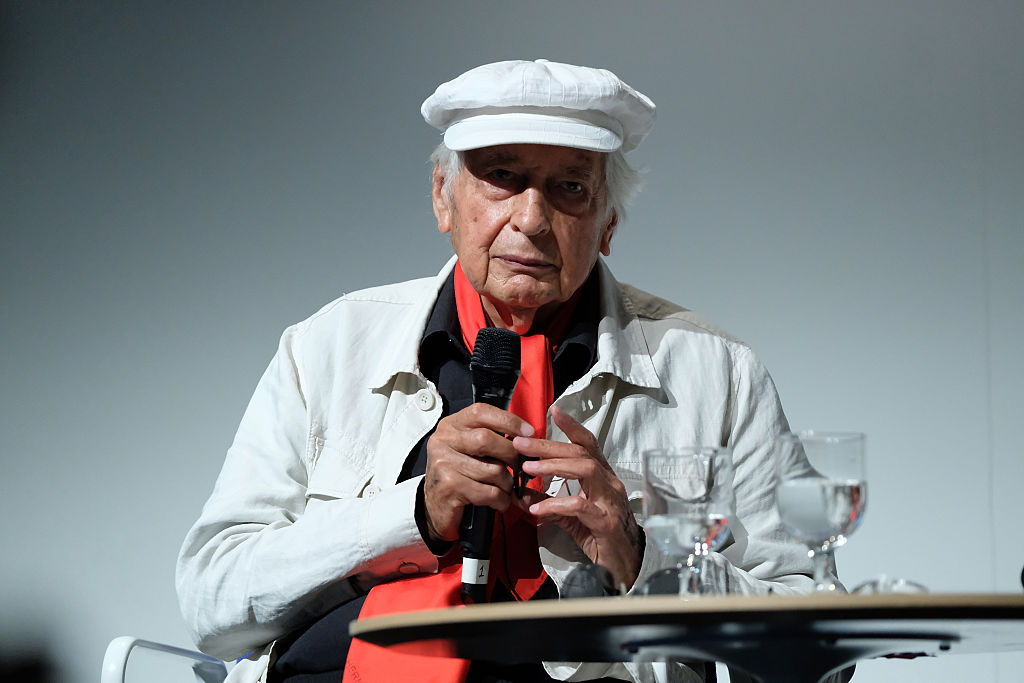
Julio Le Parc, the Argentine-born pioneer of kinetic art and winner of the Grand Prize for Painting at the 1966 Venice Biennale, died on May 30 in Paris at age 97. His son Yamil confirmed the death to La Nación; Le Parc had been hospitalized after a decline in health and died at the American Hospital in Paris. He had been eagerly anticipating a major retrospective scheduled to open at Tate Modern on June 11, which surveys nearly seven decades of his career.
Le Parc's death marks the loss of a transformative figure who redefined the relationship between art and its audience through shimmering mobiles, vibrating light installations, and participatory environments. Working with mirrors, light, movement, and optical effects, he became a leading figure of kinetic art and a founding member of the Groupe de Recherche d’Art Visuel (GRAV). His insistence that art should happen with viewers, not to them, anticipated today's immersive museum experiences by decades, and his political skepticism toward authority shaped both his collaborative practice and his enduring influence on experimental art.