
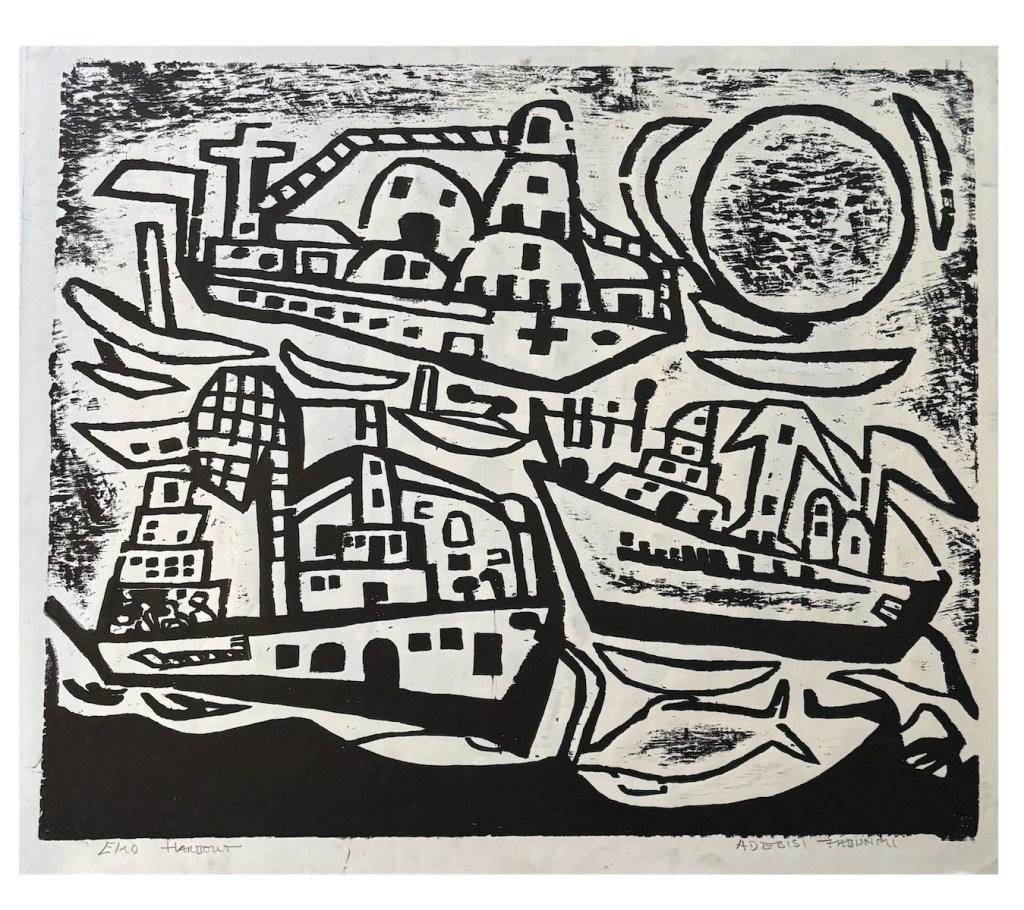
The article explores the Osogbo School of Art, an art movement that emerged in the 1960s in Osogbo, Nigeria, from experimental workshops at the Mbari Mbayo Club, a theater complex founded by playwright Duro Ladipo and German academic Ulli Beier. Facilitated by European figures like Ulli Beier, Susanne Wenger, Georgina Betts Beier, and visiting artists Denis Williams and Jacob Lawrence, the workshops allowed young locals without formal training to develop their own visual art practices, producing works that celebrated Yoruba heritage and individuality. Key artists like Jimoh Buraimoh emerged from the movement, and their works have been shown globally at institutions such as the Institute of Contemporary Arts (ICA) in London, the Studio Museum in Harlem, and Tate Modern's 'Nigerian Modernism' exhibition.
This matters because the Osogbo School represents a significant yet underrecognized chapter in modern African art history, demonstrating how grassroots, community-driven initiatives can produce globally influential artists. The movement's legacy challenges Western-centric art narratives and highlights the importance of preserving and documenting non-Western art movements. As the article notes, the school's artists became 'global superstars' in Nigerian art, and their inclusion in major international exhibitions underscores the growing recognition of African modernism, making the story relevant to ongoing conversations about decolonizing art history and expanding the canon.