
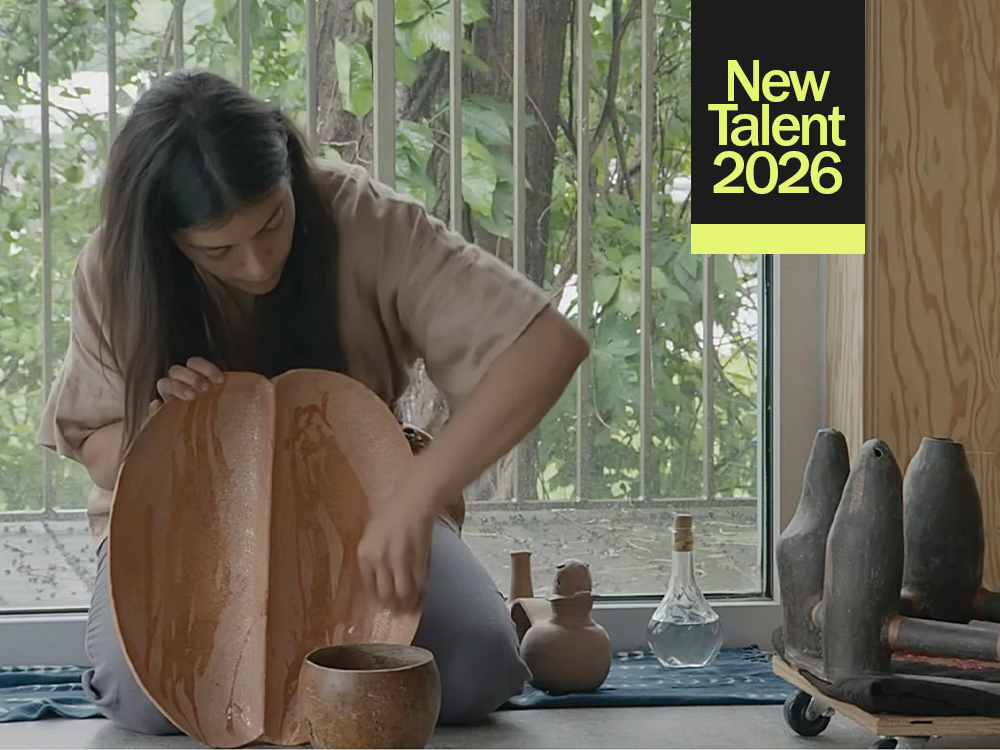
Koyoltzintli, an Ecuadorian-born artist based in upstate New York, creates ceramic instruments—flutes, whistles, drums—that channel ancient sound-making traditions from the Pacific coast of Ecuador. Unable to travel home during the pandemic, she began visiting museums and was drawn to ceramics she believed had lost sonic potential. Her practice now includes making instruments, organizing performances, and creating installations that combine sound with photography, video, and drawing. Her current exhibition, “How to Play a Broken Bone,” at the Al Held Foundation in Boiceville, New York, features works inspired by a centuries-old bone flute and includes pieces like “9 Tz’lkin” (2026), a large ceramic water whistle activated by pouring liquid.
The article matters because it highlights a growing intersection of contemporary art, archaeology, and Indigenous knowledge, where artists revive and reimagine pre-Columbian sound technologies. Koyoltzintli’s work challenges the museum’s tendency to silence artifacts, proposing instead that these objects can be reactivated as living instruments. Her practice also underscores how diaspora artists maintain cultural lineages while innovating in the present, offering a model for art that is both deeply historical and urgently contemporary.