
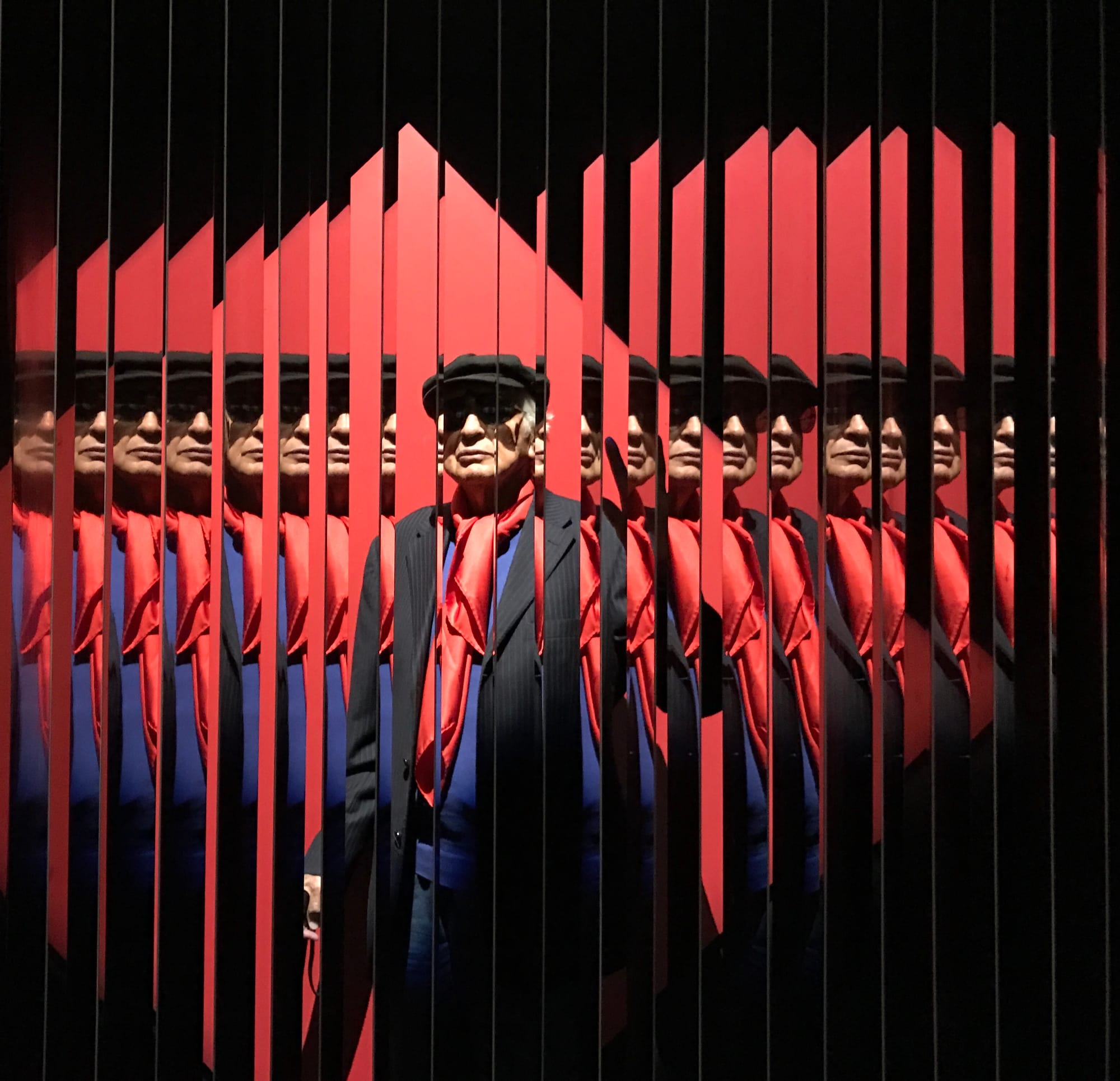
Julio Le Parc, the Franco-Argentine artist known for his kinetic and Op art works that transformed spectators into active participants, died in Paris on May 30 at age 97. His passing came just days before a major career retrospective at the Tate Modern in London, scheduled to open June 11, which will now serve as a posthumous tribute. Le Parc was the last surviving founding member of the artist collective Groupe de Recherche d’Art Visuel (GRAV) and was celebrated for his use of mirrors, motorized light boxes, and interactive devices that required viewer movement to complete the artwork.
Le Parc's death matters because he was a pivotal figure who merged artistic innovation with political activism, viewing the liberation of the spectator as parallel to societal liberation. He rejected art-world hierarchies, co-founded GRAV to challenge the cult of the solitary genius, and participated in the May 1968 protests in Paris, producing anonymous silk-screened posters. His legacy includes a lifelong commitment to democratizing art and using it as a tool for social change, making his upcoming Tate Modern retrospective a significant moment to reassess his contributions.