
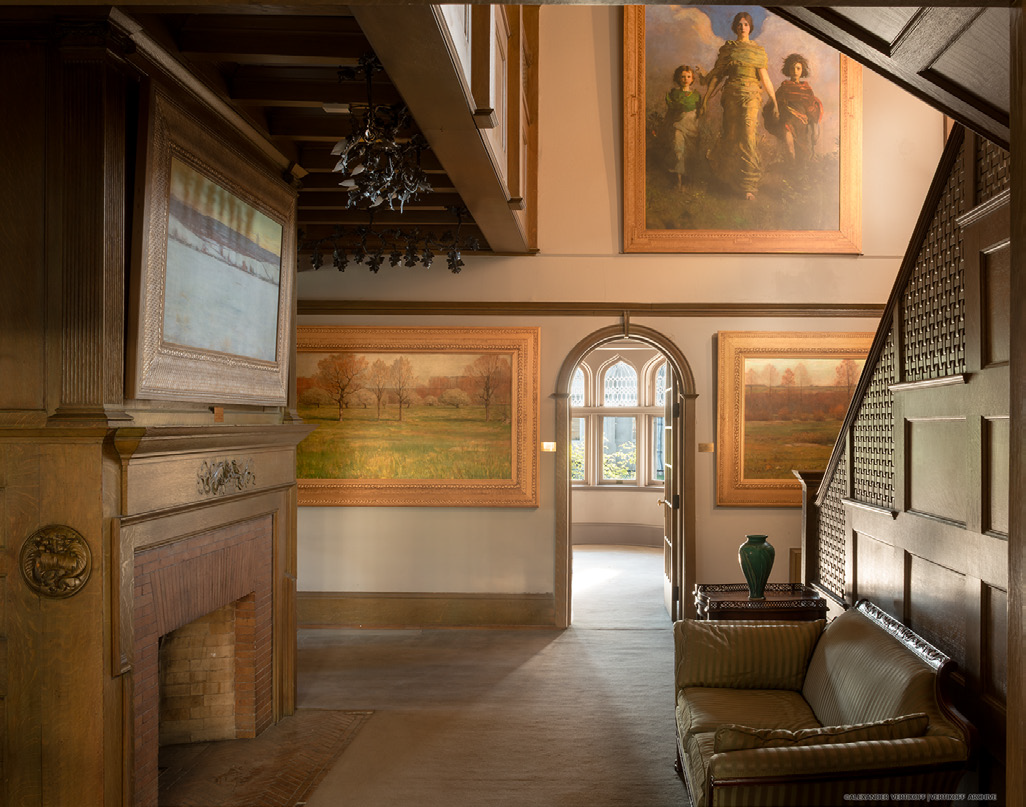
Charles Lang Freer transformed his Detroit home into a gallery of international artwork, which later became the foundation for the first national museum and Asian art museum in Washington, D.C. The article, written by Tia Graham, highlights Freer's residence designed by Wilson Eyre Jr. in 1894 as a cultural landmark that predates and influences the model of free public museums.
This matters because it reframes Detroit's cultural legacy beyond cars and techno, positioning the city as a blueprint for the free public museum model in the United States. The Freer collection's journey from a private home to a national institution underscores the role of individual collectors in shaping public access to art and the historical importance of Detroit in the broader narrative of American museum development.