
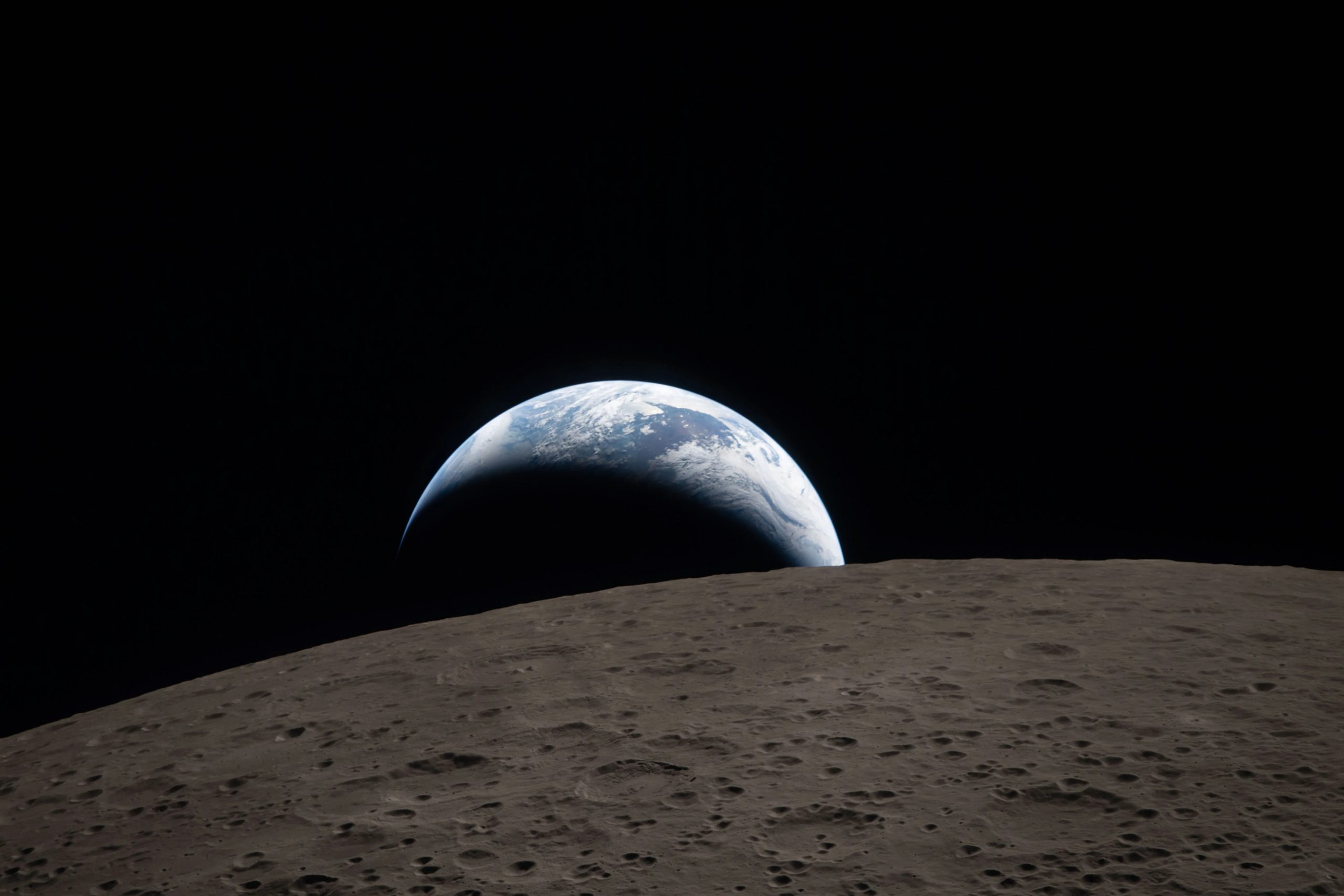
NASA has released the first images from the Artemis II mission, marking humanity's first return to the moon since 1972. During a lunar flyby on April 6, Commander Reid Wiseman captured a series of high-resolution photographs using a Nikon D5, including a striking image titled 'Earthset' that shows the planet sinking below the lunar horizon. The mission's four-person crew produced approximately 10,000 images, documenting the far side of the moon and a total solar eclipse from a unique celestial perspective.
These images serve as a modern successor to William Anders’ iconic 1968 'Earthrise' photograph, which is widely credited with jumpstarting the global environmental movement and inspiring the first Earth Day. By capturing the Earth's fragility and isolation against the void of space, these new photographs continue a legacy of space photography that functions as both scientific data and powerful cultural iconography. The enduring market value of such images is reflected in the art world, with vintage NASA prints frequently fetching five-figure sums at major auction houses.