
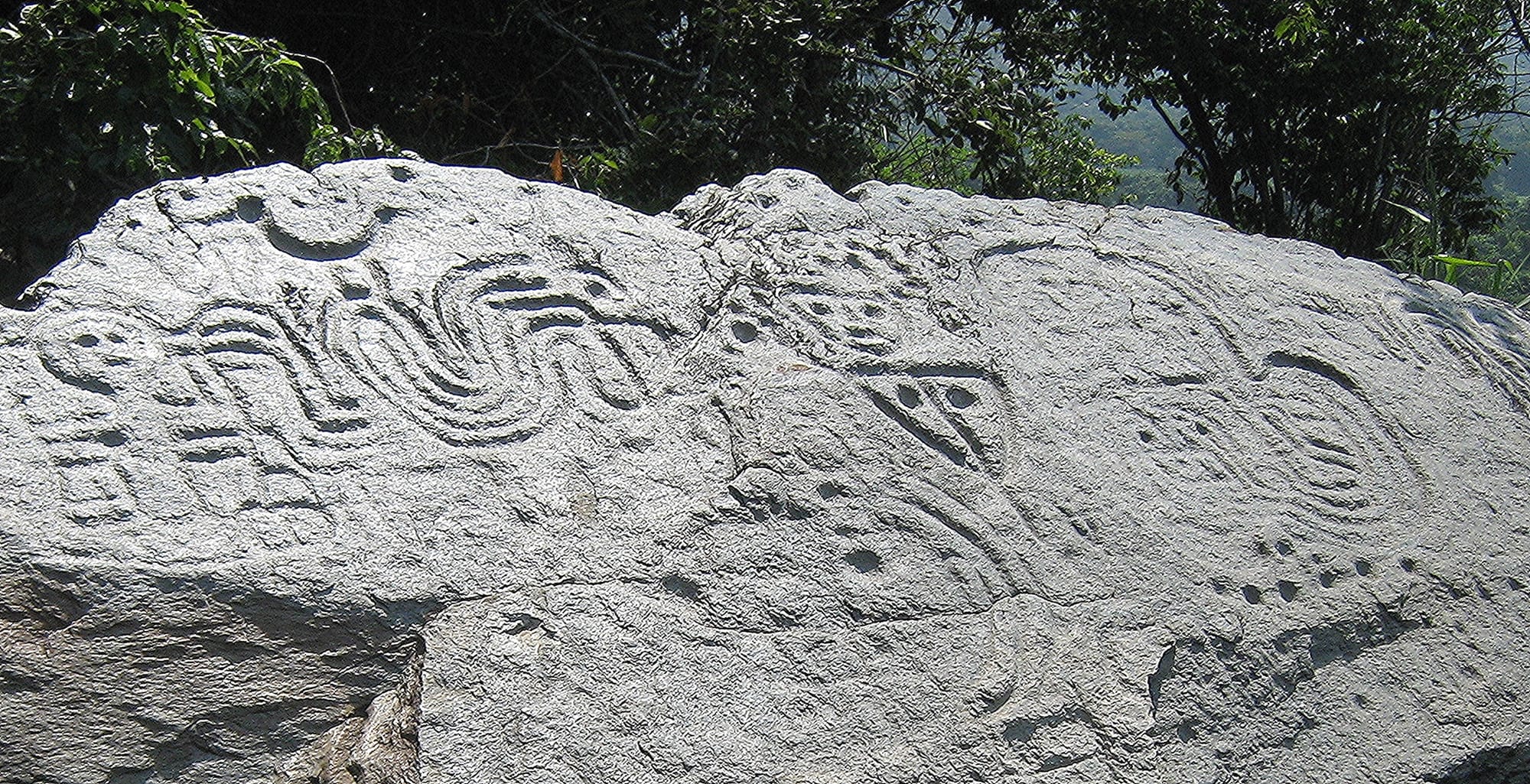
The article argues that South America's Northern Lowlands, despite containing abundant rock art and petroglyphs, have only one World Heritage inscription and minimal legal protections. It highlights the Piedra de los Pilones site in Venezuela and the broader Negro-Orinoco-Lake Valencia corridor, a 1,706-mile river system where Indigenous rock art has existed for millennia. The author points to a perfect storm of threats: erosion, climate change, mining, vandalism, and uncontrolled tourism, exacerbated by a lack of coordinated conservation.
This matters because the region's heritage is being lost due to colonial-era nation-building that marginalizes Indigenous and Black cultures, treating heritage as state property rather than living community practice. The article calls for transnational cooperation among Brazil, Colombia, and Venezuela to treat the corridor as a shared cultural route, with compatible inventories and community-led governance. It critiques the World Heritage system's gridlock, noting that while the July meeting in Busan, South Korea, offers a global spotlight, real protection requires political will and a shift away from Eurocentric heritage frameworks.