
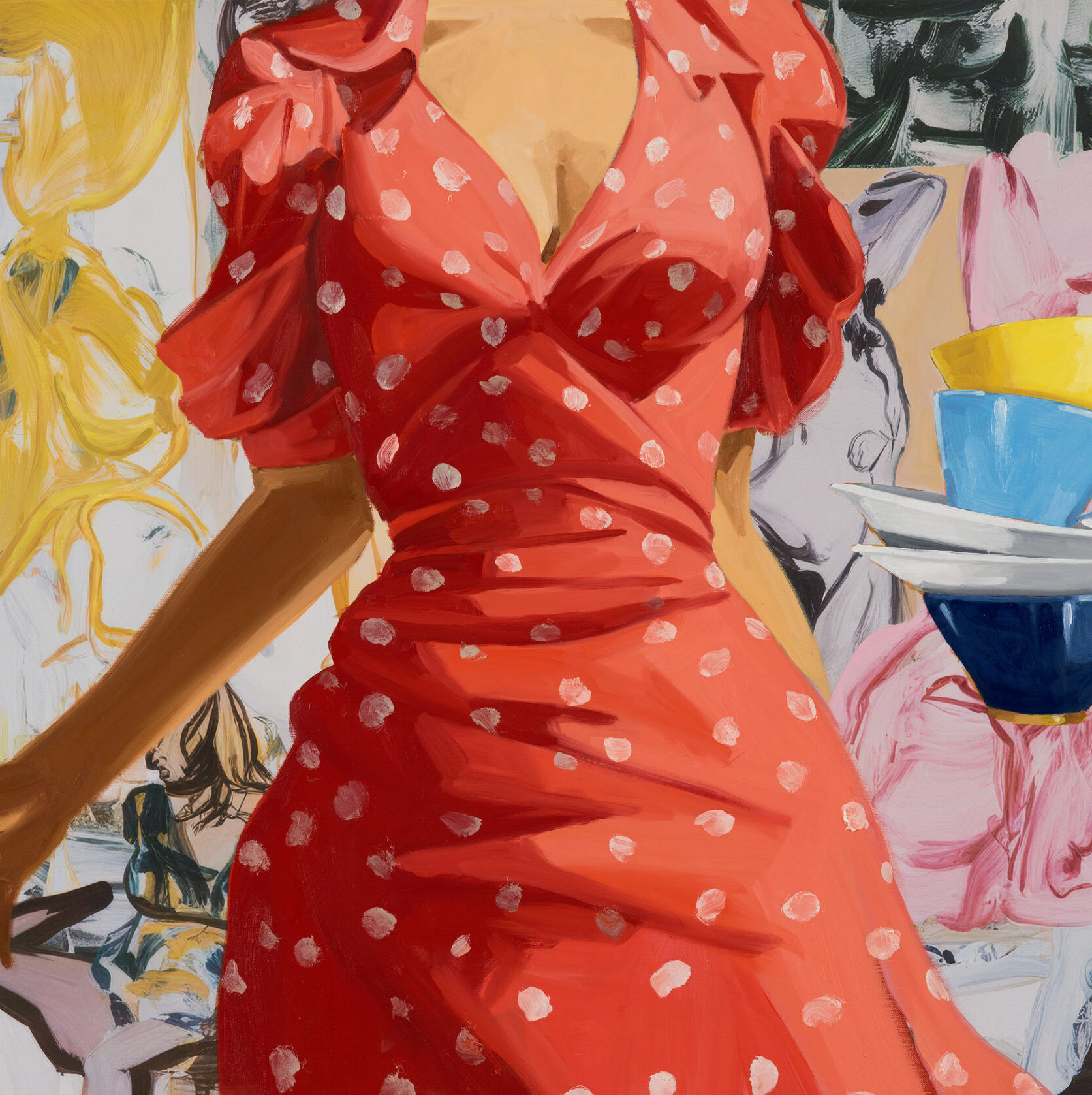
The article is an expert Q&A with Katarina Feder, vice president of the Artists Rights Society (ARS), addressing artists' legal rights in the age of artificial intelligence. It uses the case of artist David Salle, who trained an AI on his own earlier "Pastorals" series to create new works, as a central example. Feder explains that training AI on one's own copyrighted works is legal, and that the resulting AI-assisted output can be copyrighted if the human contributes sufficient creative expression, such as overpainting. The piece also warns against deception in presenting AI-generated work.
This matters because it clarifies a rapidly evolving legal landscape that directly affects visual artists navigating AI tools. As more artists experiment with generative AI, understanding copyright boundaries—especially the distinction between permissible self-appropriation and infringement—is crucial. The article also highlights the role of organizations like ARS in protecting artists' intellectual property, and underscores that transparency about AI use is both an ethical and legal safeguard.