
Arte pubblica nelle aree interne. C’è il rischio di una rigenerazione calata dall’alto?
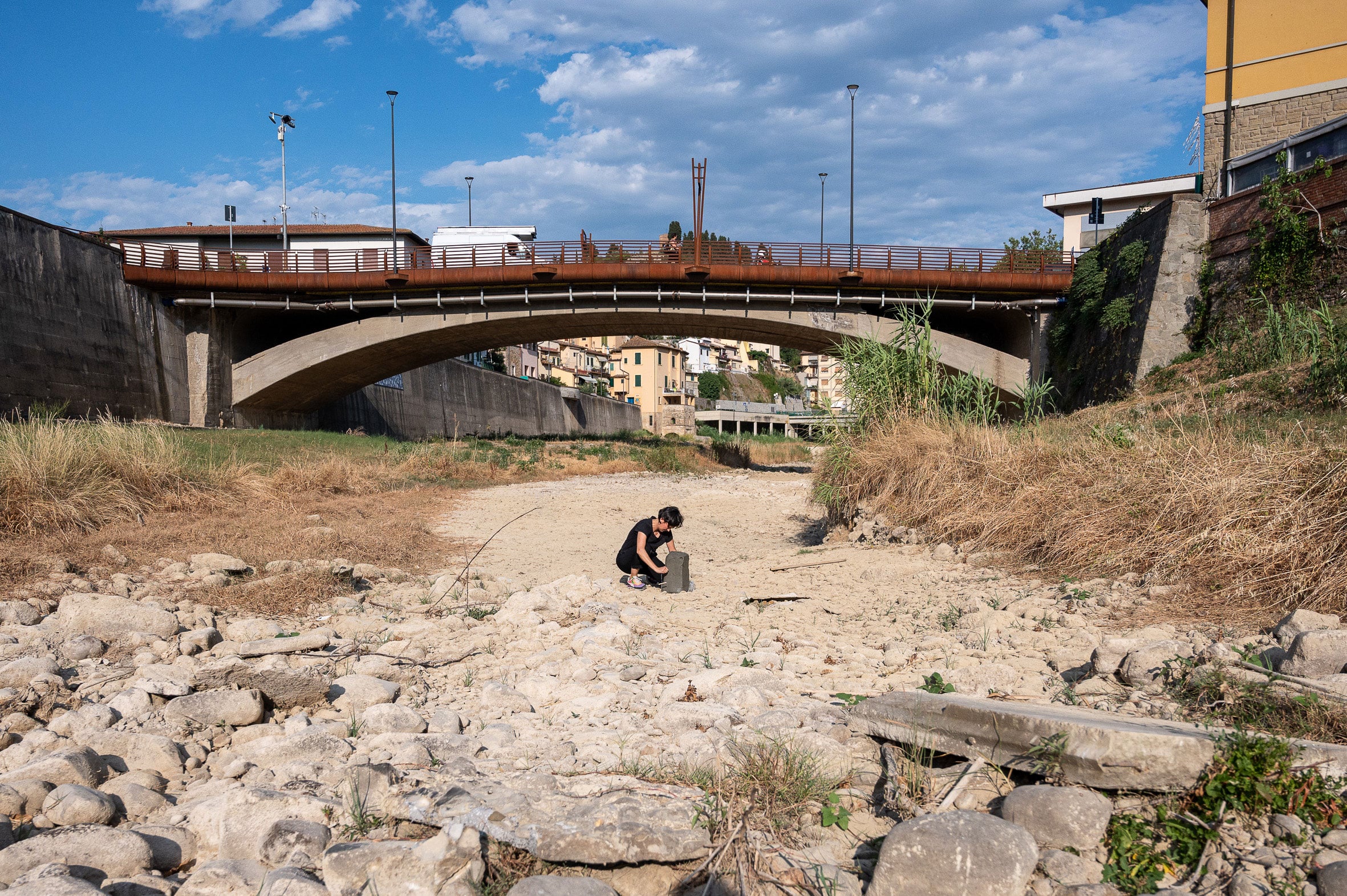
The article examines the growing trend of using public art, particularly street art, to regenerate Italy's internal and peripheral areas. It highlights how terms like 'reactivation,' 'community,' and 'sustainability' have become hollow buzzwords, and warns that public art risks being co-opted from a tool of protest into a promotional gimmick for local administrations and corporations engaging in greenwashing. The piece contrasts top-down projects, often funded by public recovery plans like the PNRR, which impose artworks without community involvement, with bottom-up initiatives that genuinely engage residents.
This matters because it questions the ethical and practical effectiveness of art-led regeneration in marginalized territories, from city suburbs to small towns. By citing pioneering examples like Fiumara d'Arte and Arte Sella, the article argues that authentic, community-driven art can strengthen social fabric and fill gaps caused by isolation and lack of services. However, when art is imposed from above, it risks becoming a fetishized object that fails to address local needs, potentially exploiting the very weaknesses it claims to heal. The piece contributes to a critical debate on cultural policy and the true purpose of public art in contemporary Italy.