
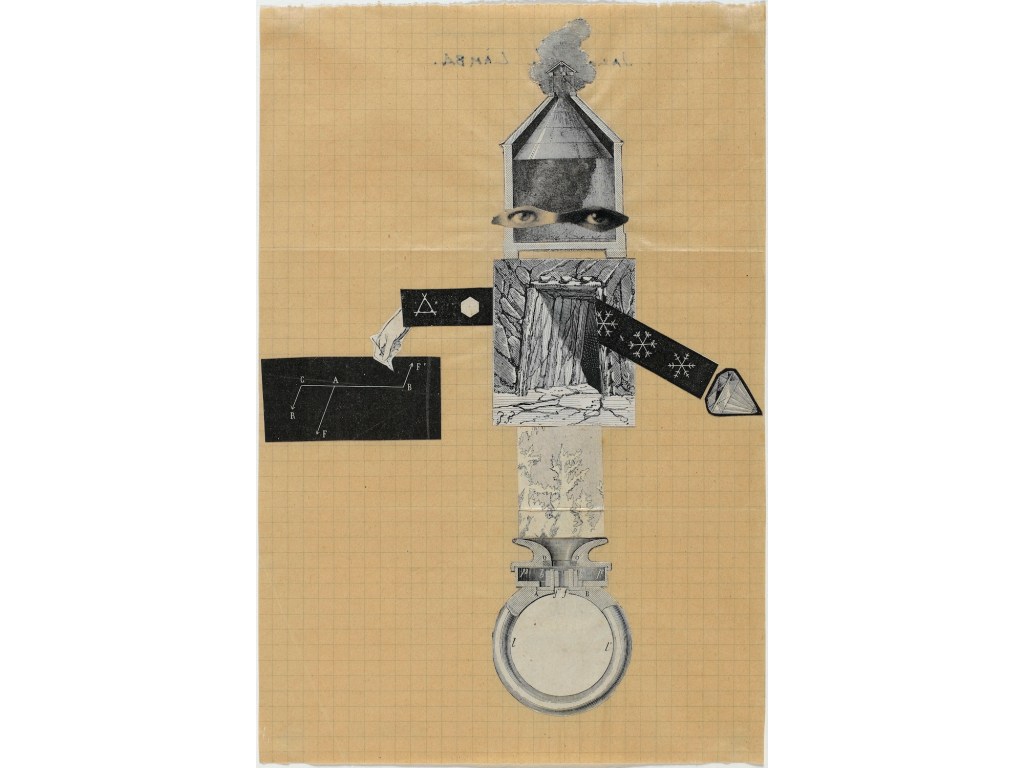
The article explains the Surrealist game Exquisite Corpse (cadavre exquis), where participants collaboratively draw sections of a human body on folded paper without seeing each other's contributions, resulting in strange, hybrid figures. Originating in 1925 at Marcel Duhamel's Paris home, the game was developed by André Breton, Marcel Duchamp, Jacques Prévert, and Yves Tanguy, taking its name from a phrase generated in an earlier writing game. The Surrealists used it to access automatism and the unconscious, fostering wild experimentation through low-stakes materials.
The game matters because it remains a widely practiced creative exercise today, demonstrating how collaborative chance can produce artworks that challenge conventional notions of authorship and artistic endeavor. Exquisite corpse drawings are now held in major museums worldwide, and the game's legacy continues to influence contemporary artists seeking to escape logical constraints and embrace spontaneous, collective creation. It exemplifies Surrealism's enduring impact on art-making as a tool for unlocking the imagination.