
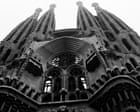
This archival article from The Guardian, originally published in 1983, examines Antoni Gaudí's Sagrada Família in Barcelona, highlighting the polarizing reactions it has provoked. George Orwell called it one of the world's most hideous buildings, while Salvador Dalí praised its 'supremely creative bad taste.' The article traces Gaudí's life, from his early dandyism to his later ascetic devotion to the cathedral, where he worked, ate, and slept for the last 12 years of his life. It notes that construction began in 1882 and was expected to take generations, with Gaudí leaving few drawings and constantly modifying his plans from models.
The article matters because it captures the enduring fascination with Gaudí's unique architectural vision, which defies academic classification and blends Gothic, Art Nouveau, and Surrealist influences. It also underscores the challenges of completing the Sagrada Família after Gaudí's death, including financial difficulties and interpretive uncertainties. The piece reflects broader cultural tensions between tradition and innovation, and between individual genius and institutional codes of taste, making it a timeless commentary on the nature of artistic creation and legacy.