
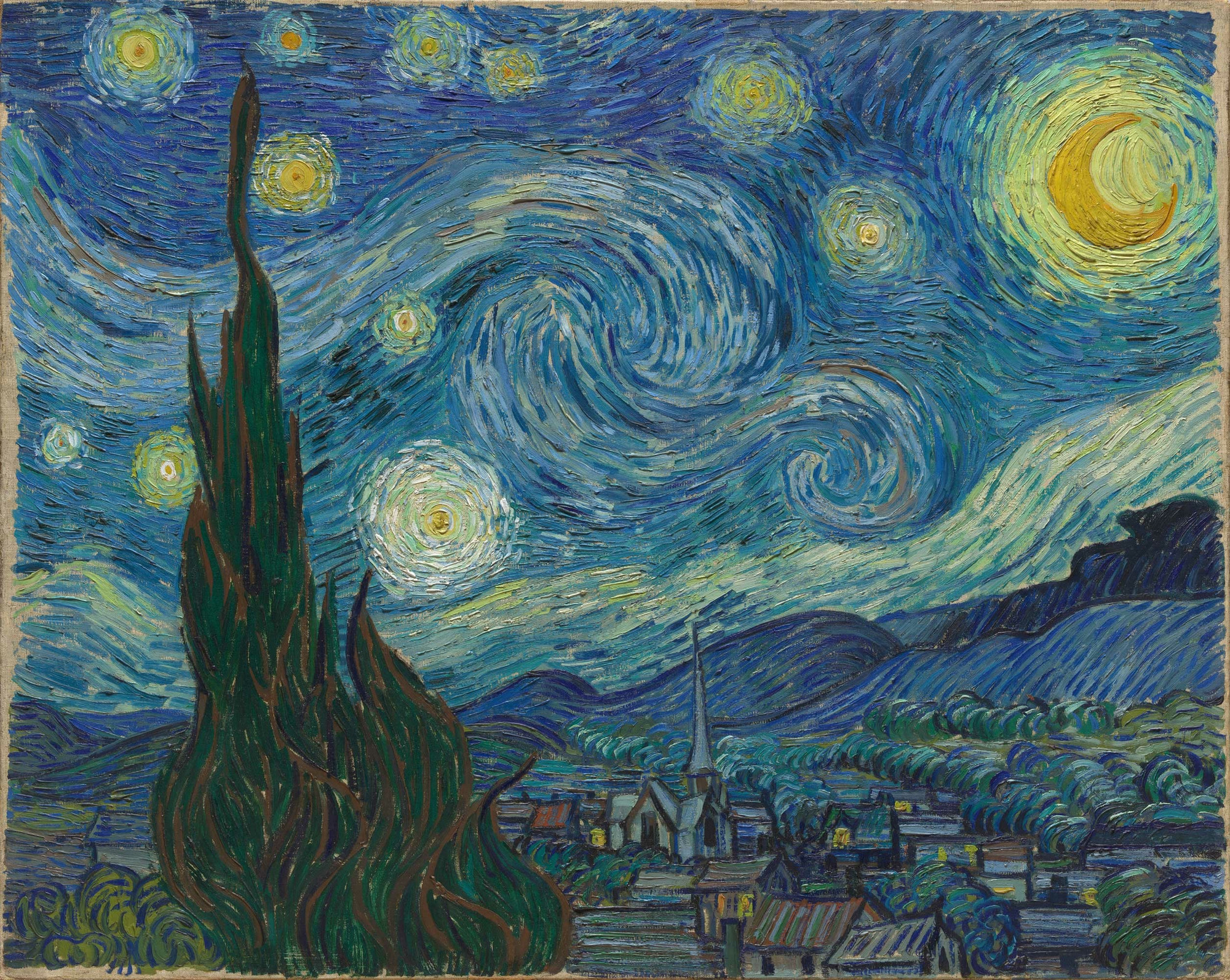
Researchers from the University Polytechnique Hauts-de-France have published the most comprehensive study yet testing whether surface metrology—a technique that analyzes an artwork's texture—can authenticate paintings like fingerprints. By converting high-resolution images of eight Vincent van Gogh works into topographical maps and calculating fractal dimension values, the team established a baseline for the artist's brushstroke complexity. They then tested two previously contested paintings: Sunset at Montmajour (1888), validated by the Van Gogh Museum in 2013, proved consistent with van Gogh's fractal values, while the forgery The Plowmen did not. The study appears in Surface Topography: Metrology and Properties.
This matters because surface metrology offers a more affordable and less invasive method for substantiating art authentications compared to traditional connoisseurship or physio-chemical analyses. As artificial intelligence continues to encroach on image-making, the technique may also help distinguish human-made artworks from robot-produced ones. While the approach has limitations—such as failing to account for an artwork's decomposition—it represents a promising new tool in the ongoing battle against art forgeries, providing a scientific complement to existing authentication methods.