
Un libro racconta il ruolo di abiti e manichini nella costruzione delle nostre identità
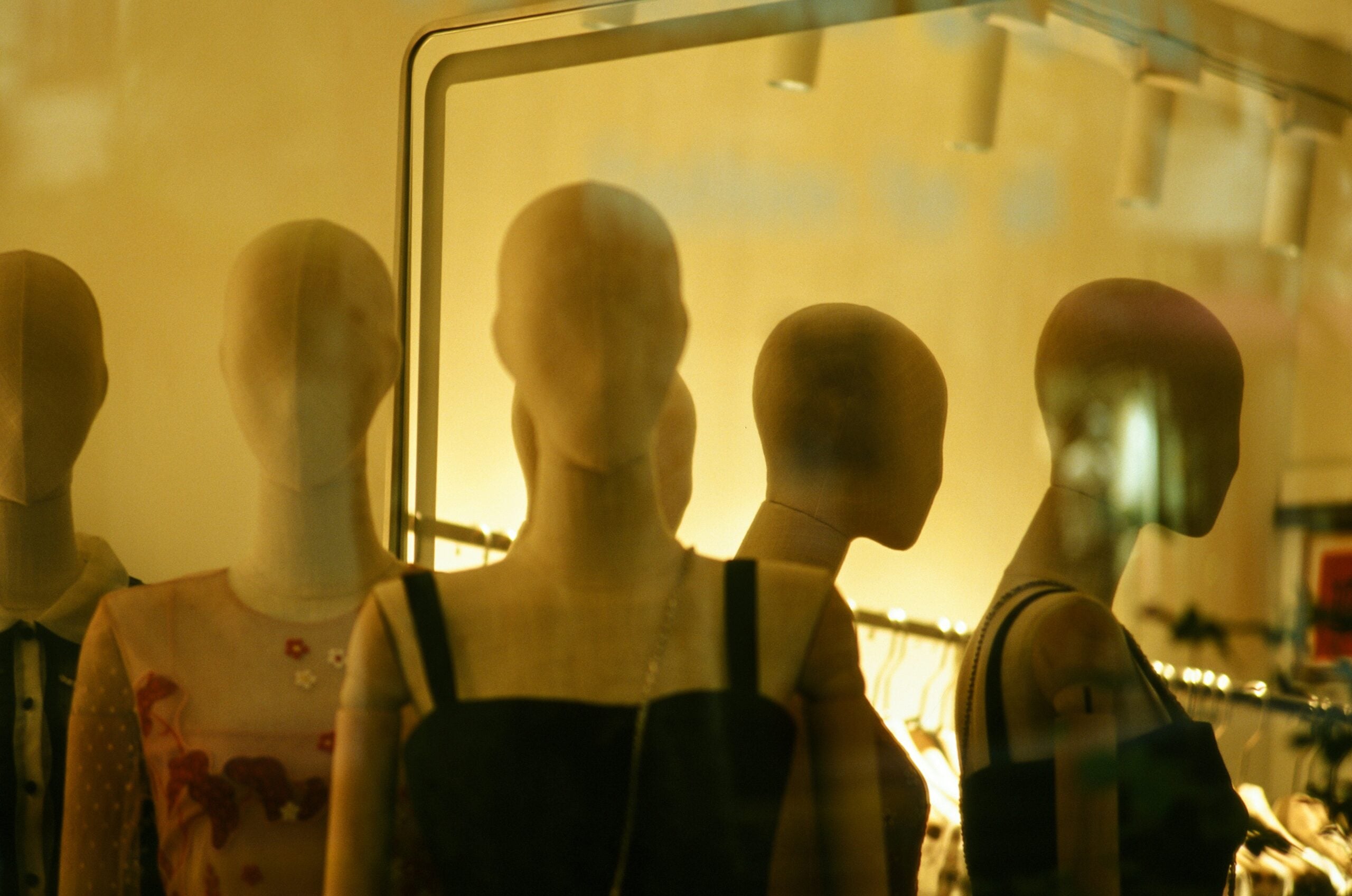
Maria Luisa Frisa's new book "Il corpo alla moda" explores the relationship between clothing, mannequins, and identity construction. The text examines how garments become unstable and incomplete without a body, and how mannequins serve as abstract, idealized forms that mediate between the living body and fashion. Frisa draws on examples from art history, such as Giorgio de Chirico's metaphysical paintings, and contemporary fashion culture, including a reflection on a store window in Florence displaying a piece from the Stockman collection. The book argues that the body is not fixed but continuously constructed through fashion, adapting to and interpreting garments.
The book matters because it offers a critical perspective on how fashion shapes identity and bodily experience, challenging the notion of a pre-existing, stable body. By analyzing the mannequin as a "metaphysical square of fashion," Frisa bridges art history, fashion theory, and cultural studies, providing a nuanced understanding of the interplay between ideal forms and real bodies. This work contributes to ongoing debates about agency, expression, and the politics of dress in contemporary society, making it relevant for scholars, designers, and anyone interested in the cultural significance of fashion.