
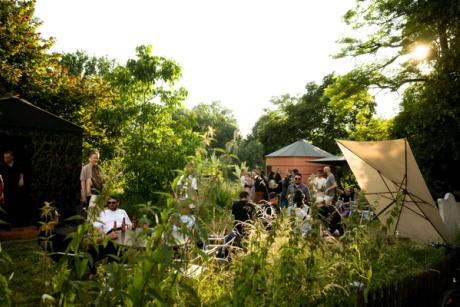
Every June, many Basel residents flee the city during Art Basel, renting out their apartments at high prices and decamping to nearby villages. For those who stay, the fair creates an intense social choreography around art, with curators, collectors, and artists converging. However, the article emphasizes that Basel's cultural life extends far beyond the fair's frenetic week, highlighting year-round institutions like Kunstmuseum Basel, Fondation Beyeler, Kunsthalle Basel, and Schaulager, as well as independent spaces such as SALTS, For, and Amore. The recently reopened Kunsthaus Baselland and the Basel Academy of Art and Design also play vital roles in sustaining a dense, interconnected ecosystem that functions like a much larger metropolis.
This matters because it challenges the perception that Basel's art scene is solely defined by Art Basel, one of the world's most prominent art fairs. The article underscores the city's robust, year-round cultural infrastructure—museums, artist-run spaces, and educational institutions—that nurtures younger artists and maintains international relevance independently of the fair. It highlights how Basel's smaller scale fosters a tight-knit, collaborative environment where artists and curators can thrive, offering a model for other cities that host major art events. The piece also points to the fair's positive spillover effects, such as the Parcours sector and independent spaces programming around the week, which enrich the local scene.