
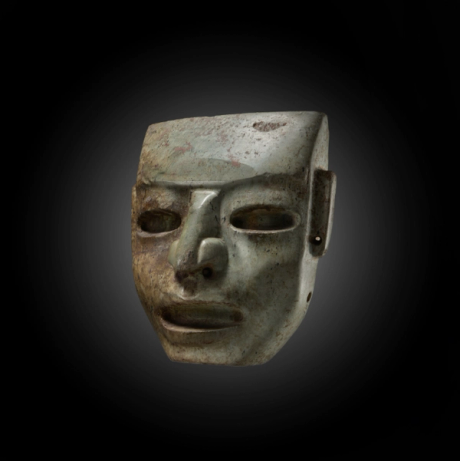
The Mexican government has publicly called on Sotheby’s to halt the sale of two pre-Columbian artefacts scheduled for its Art of Africa, Oceania and the Americas auction on June 18. Culture Secretary Claudia Curiel de Icaza stated that the National Institute of Anthropology and History (INAH) determined the objects—a Teotihuacán stone mask (c. AD450-650) and a Veracruz ceramic figure (c. AD550-950)—are part of Mexico’s national cultural heritage. Both artefacts have provenance ties to dealer Everett Rassiga, who was scrutinized for trafficking looted antiquities. Sotheby’s has defended the sale, saying its due diligence found no basis for the claim.
This dispute highlights ongoing tensions between source countries and the international art market over pre-Columbian heritage. Mexico has repeatedly challenged such sales at Christie’s and Bonhams, but restitution rarely succeeds due to legal loopholes and tight auction timelines. The case underscores the difficulty of repatriating cultural property when provenance records are decades old and auction houses resist claims without clear legal grounds. It also raises questions about the ethical responsibilities of major auction houses in handling objects with potentially illicit origins.