
Au Louvre, le nouveau directeur Christophe Leribault sonne l’alarme face à un musée « à bout de souffle »
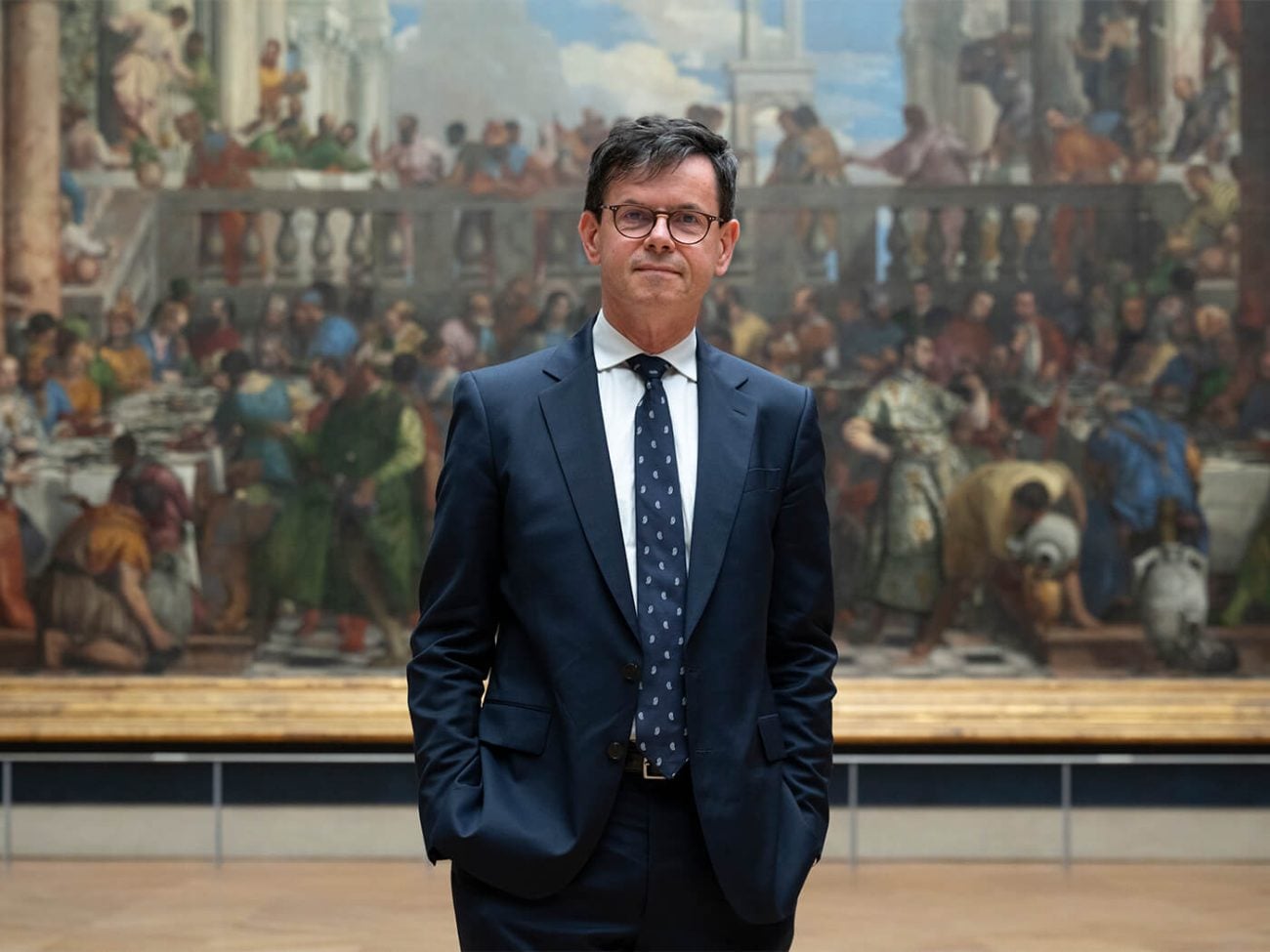
Christophe Leribault, the new president-director of the Louvre, has sounded the alarm before a French Senate investigative committee, declaring that the world's most visited museum is "à bout de souffle" (out of breath). Eight months after a spectacular theft of jewels from the Galerie d'Apollon, Leribault described aging infrastructure, urgent technical needs, and a "wall of investments" required to renovate the museum. He highlighted the need to move over 10,000 Greek vases for a wing renovation and outlined security upgrades, including a new command center and a perimeter video surveillance system. The museum is also pursuing the "Louvre Nouvelle Renaissance" program announced by President Emmanuel Macron in January 2025, a billion-euro project to create a new entrance, relieve congestion at the pyramid, and build underground spaces including a dedicated room for the Mona Lisa. However, funding remains a challenge: of the 660 million euros needed for the first phase, 300 million will come from the Louvre Abu Dhabi agreement, and the museum must raise 360 million from patrons and donors. Construction is not expected to begin before the 2027 presidential elections.
This matters because the Louvre is not only a global cultural icon but also a bellwether for the challenges facing major museums worldwide: aging facilities, security vulnerabilities, and the immense cost of modernization. Leribault's blunt assessment underscores the tension between the museum's prestige and its operational reality, and the outcome of the "Louvre Nouvelle Renaissance" project will set a precedent for how state-funded institutions balance heritage preservation with 21st-century visitor demands. The security failures exposed by the theft also raise urgent questions about the protection of priceless artworks in high-traffic museums.