
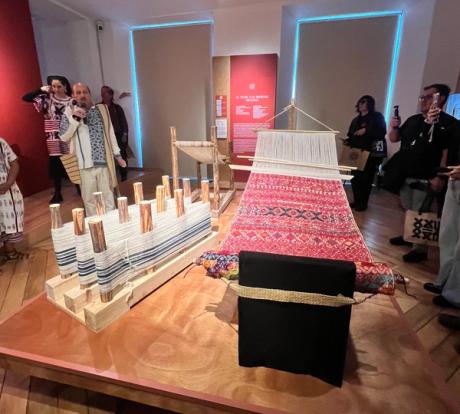
A new textile museum, the Museo de Arte Textil de los Pueblos Indígenas y Afromexicanos (MUT), has opened in Mexico City's historic center, steps from the Templo Mayor archaeological site. Housed in a 19th-century neoclassical palace built by architect Manuel Tolsá, the museum displays 210 textiles across 16 galleries, including re-creations of historic pieces and works from the late 19th century onward. The venue also features exposed Aztec ruins, blending archaeological and living heritage. The project, managed by the Fondo Nacional para el Fomento de las Artesanías (Fonart), is part of the 2026 FIFA World Cup cultural programme and aligns with Indigenous and Afro-Mexican justice initiatives.
The museum matters because it elevates Indigenous and Afro-Mexican textile traditions as a living art form, largely created by women, which have historically been overlooked. It continues a heritage agenda initiated by former president Andrés Manuel López Obrador, including restitution efforts. However, the opening was overshadowed by social unrest from teacher protests, highlighting tensions between cultural celebration and ongoing social issues. The museum also aims to showcase textile traditions from every Mexican state, though Afro-Mexican representation remains limited.