
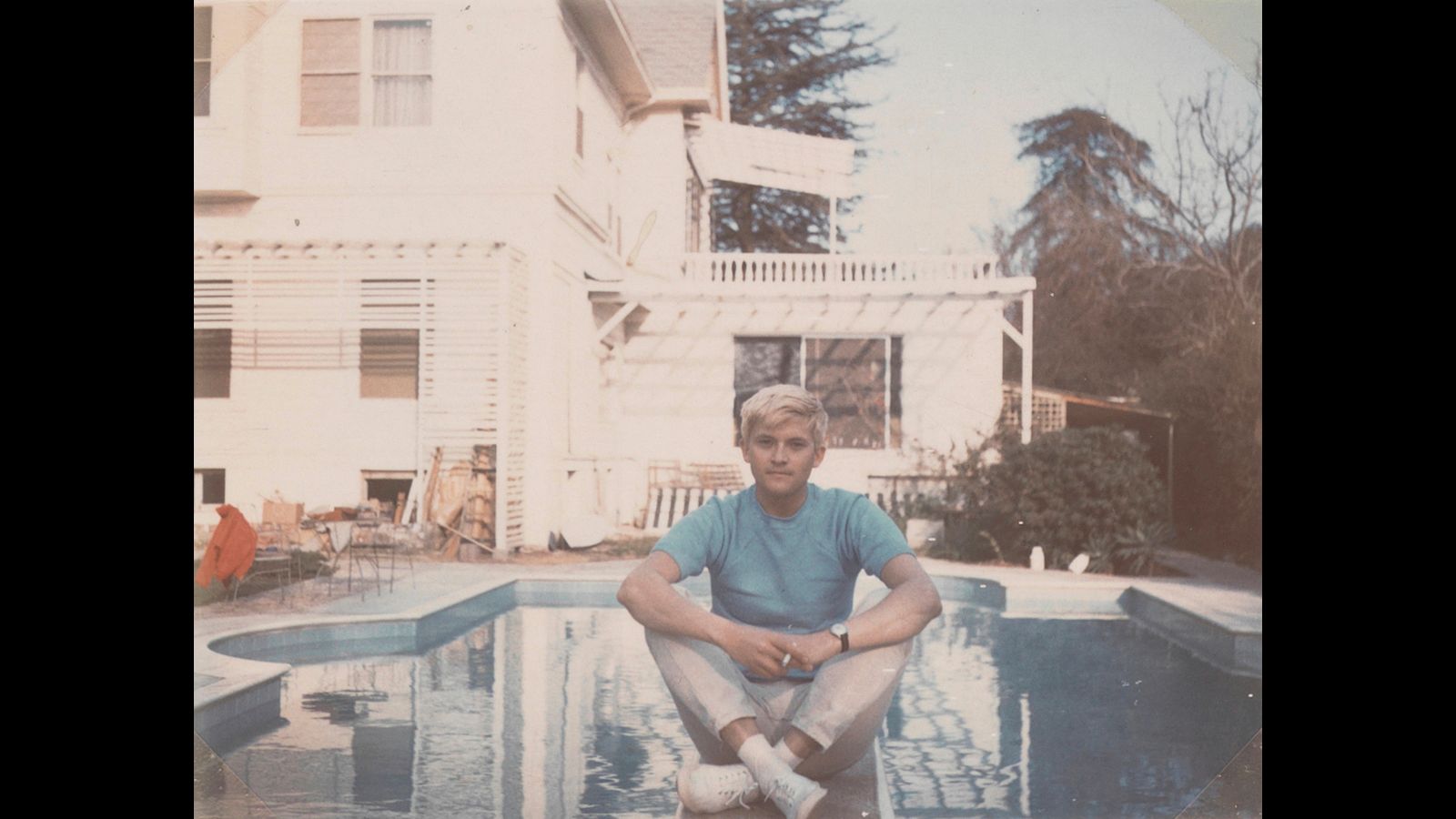
David Hockney has died at age 88, closing one of the most remarkable careers in modern art. The British artist was known for his technical brilliance, broad public appeal, and restless experimentation across more than 200 exhibitions. Born in Bradford in 1937 into a working-class family, Hockney won a scholarship to art school and later studied at the Royal College of Art, where he defied conventions by insisting on figurative painting and openly declaring his homosexuality despite its criminalization. His iconic works include Californian pool scenes like *A Bigger Splash* and *Portrait of an Artist (Pool with Two Figures)*, as well as Yorkshire landscapes and intimate portraits.
Hockney's death matters because he was one of the few twentieth-century artists who combined critical acclaim with genuine popular affection, making painting accessible at a time when much contemporary art required theoretical explanation. His career spanned decades of stylistic reinvention—from early pop-inflected works to photomontages, opera stage designs, and iPad drawings—demonstrating that figurative painting could remain vital and relevant. Beyond his artistic output, Hockney's personal courage in living openly as a gay man during a repressive era and his working-class origins challenged the elitism of the art world, expanding who could become a major artist.