
Le ferite di Bologna. Una mostra legge la città attraverso 10 suoi traumi (solo per una settimana)
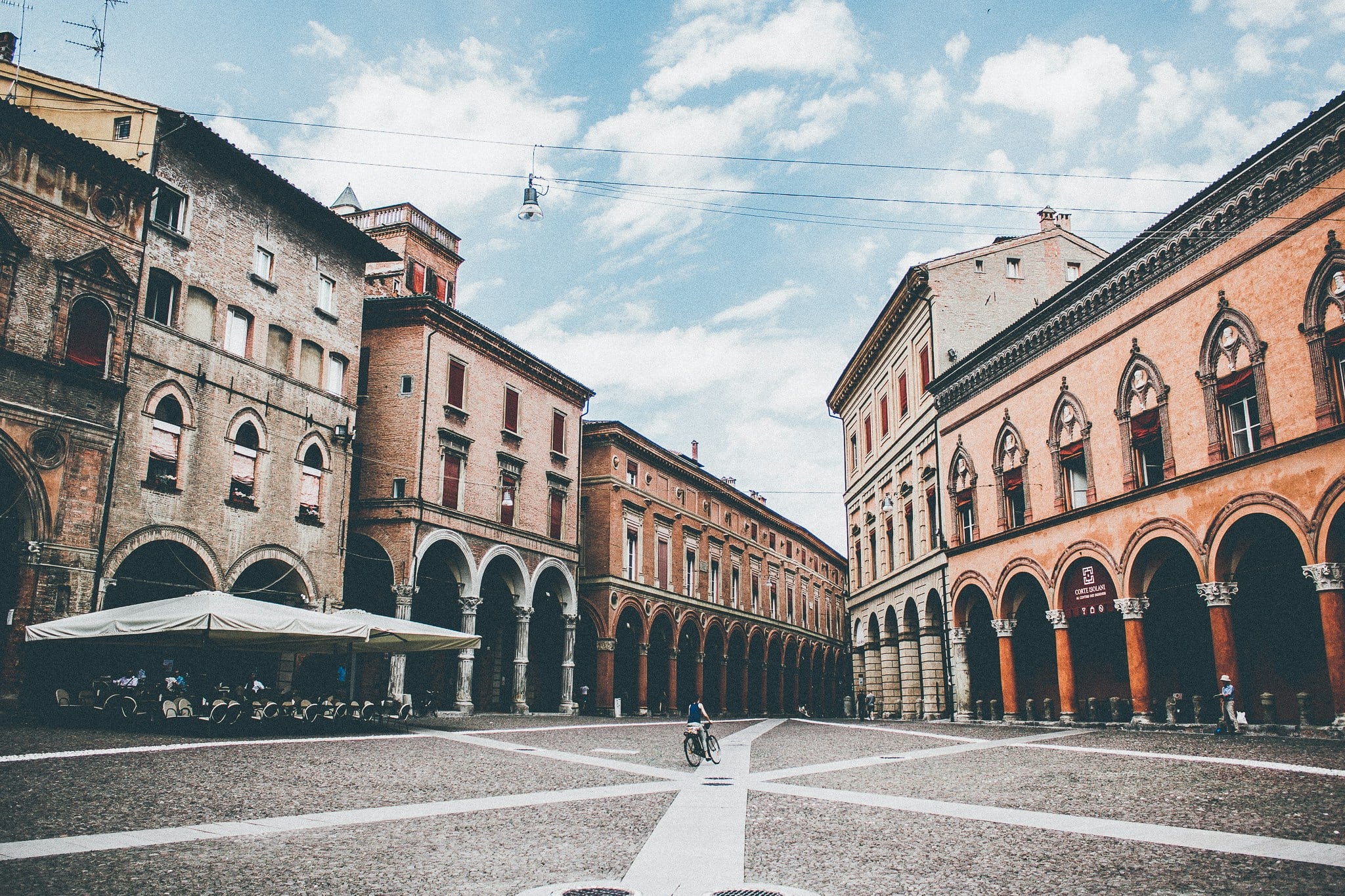
A group exhibition titled "Le ferite di Bologna" (The Wounds of Bologna) opens at Villa delle Rose in Bologna from June 21 to 28, 2026. Curated by Spazio Taverna, a curatorial studio founded by Ludovico Pratesi and Marco Bassan, the show features ten Italian artists—Luca Bertolo, David Casini, Adelaide Cioni, Flavio Favelli, Francesca Grilli, Rachele Maistrello, Francis Offman, Giulia Poppi, Tommaso Silvestroni, and Italo Zuffi—each assigned a specific historical trauma from the city's past. These traumas include the 1321 Studium revolt, the 1507 Bentivoglio destruction, the 1920 bombing of Palazzo d'Accursio, the 1974 Italicus massacre, the 1977 death of Francesco Lorusso, the 1980 Ustica and Bologna Station bombings, the 1991 Uno Bianca crimes, and the 2002 assassination of Marco Biagi. Each artist creates a work on Amatruda paper that symbolically "stitches" the wound, offering a collective reflection on the city's fractured history.
This exhibition is the fourth installment of a national itinerant project that began in Rome in 2023 with "Le ferite di Roma" at Galleria Mattia De Luca and continued in 2025 with "Le ferite di Milano" at Triennale Milano and "Le ferite di Torino" at Fondazione Sandretto Re Rebaudengo. The project matters because it uses contemporary art to engage with civic memory and historical trauma, transforming painful events into opportunities for collective healing and dialogue. By linking local wounds to a broader Italian narrative, it demonstrates how art can serve as a tool for social reflection and urban reconciliation, resonating with audiences beyond Bologna.