
I cimiteri monumentali di Venezia: San Michele in Isola e i Lazzaretti
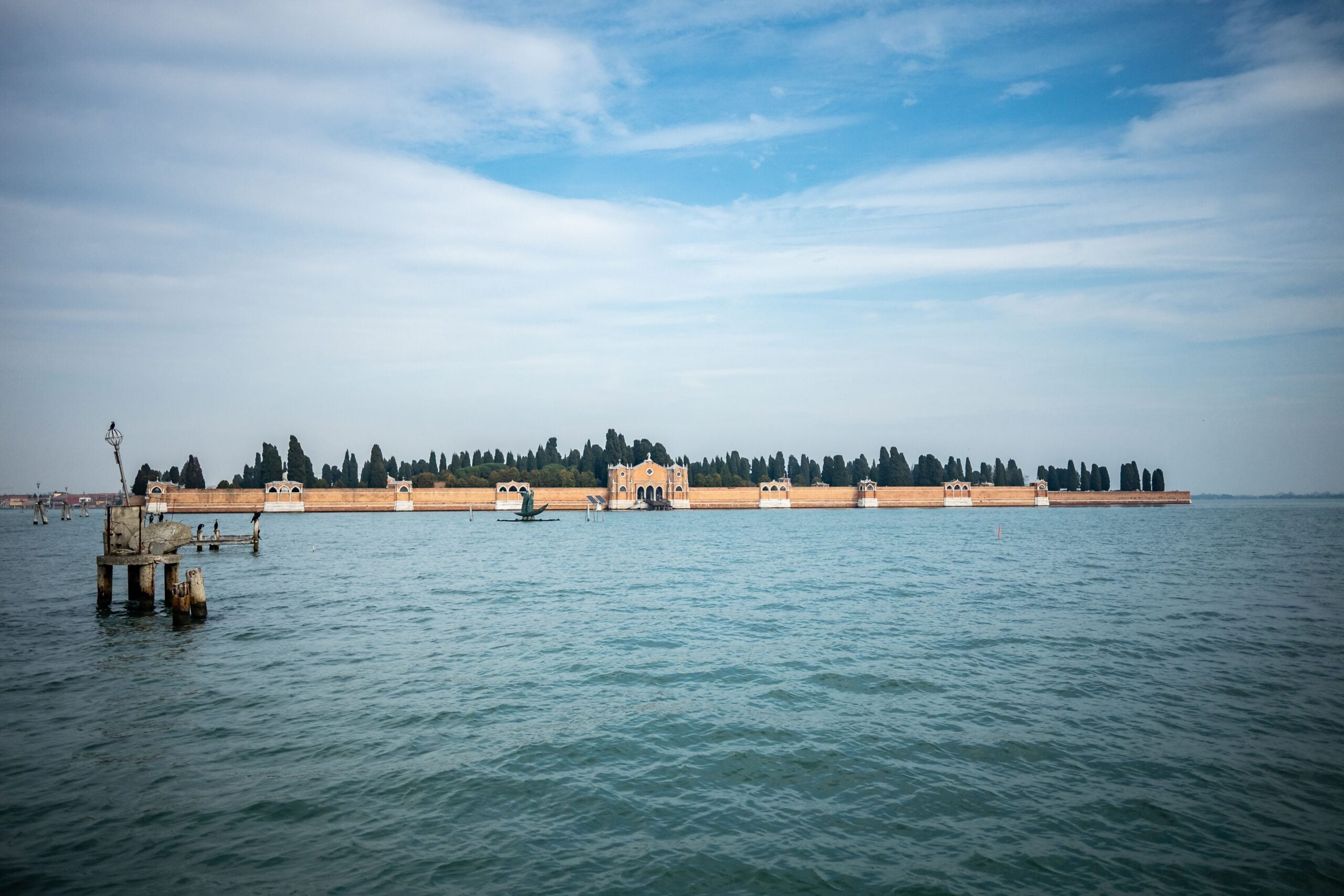
The article explores two historic cemetery islands in the Venetian lagoon: San Michele in Isola and the Lazzaretti. San Michele, established after Napoleon's 1804 edict mandating burials outside city centers, is a multi-confessional cemetery where Catholics, Orthodox, Evangelicals, and Jews rest in separate sections. Notable figures buried there include physicist Christian Doppler, composer Igor Stravinsky, poet Ezra Pound, impresario Sergei Diaghilev, painter Emilio Vedova, and psychiatrist Franco Basaglia. The Lazzaretti—the Lazzaretto Vecchio (1423) and Lazzaretto Nuovo (1468)—were pioneering quarantine stations invented by the Venetian Republic to control plague epidemics through isolation and observation of ships and goods.
Why it matters: This article illuminates Venice's often-overlooked role as an innovator in public health and its unique relationship with death and burial. San Michele represents a living archive of cultural history through its famous interments and architectural design by Giannantonio Selva and Annibale Forcellini. The Lazzaretti, as the world's first quarantine facilities, demonstrate how Venice's pragmatic response to pandemics centuries ago anticipated modern epidemiological protocols. The piece connects art, architecture, and history to show how these islands embody Venice's layered identity beyond tourism—as a place of both cultural memory and scientific foresight.