
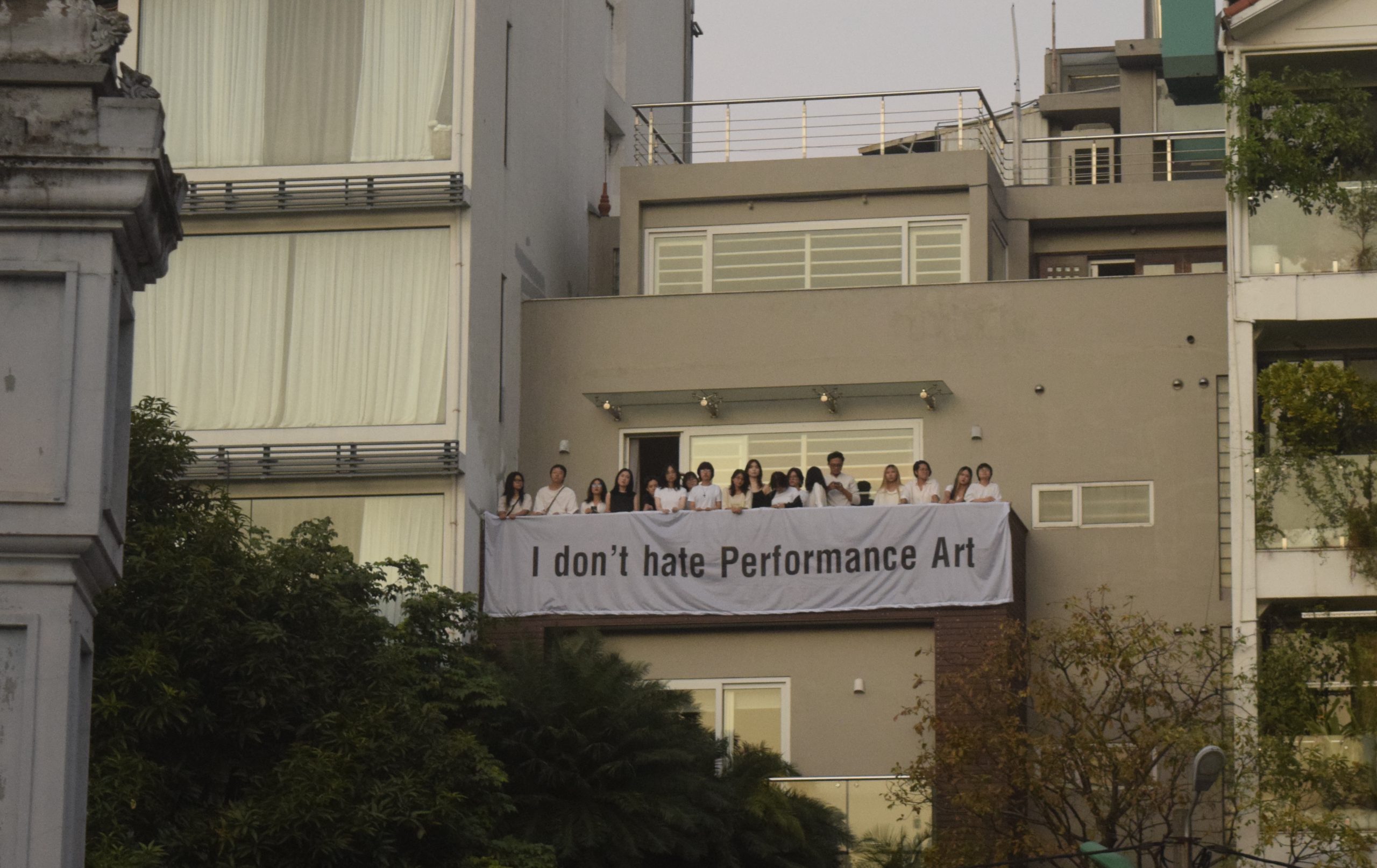
The traditional quest to identify a single dominant Asian art hub is being challenged by the organic growth of decentralized scenes in cities like Bangkok and Hanoi. While Hong Kong and Seoul remain established centers, private initiatives and artist-led projects in Thailand and Vietnam are building resilient, hybrid ecosystems that prioritize long-term structural depth over immediate auction results. From the opening of Dib Bangkok to experimental exhibitions in Hanoi, these cities are transitioning from peripheral status to significant cultural players through a mix of private museums, biennials, and non-profit platforms.
This shift matters because it signals a move away from the top-down, fair-driven model of art market dominance toward a more sustainable and diverse regional landscape. By focusing on intellectual depth and local infrastructure rather than just sales totals, these emerging hubs are creating unique cultural identities that resist the homogenization of the global art market. The rise of these cities suggests that the future of the Asian art world will be defined by a network of specialized, interconnected nodes rather than a single winner-takes-all capital.