
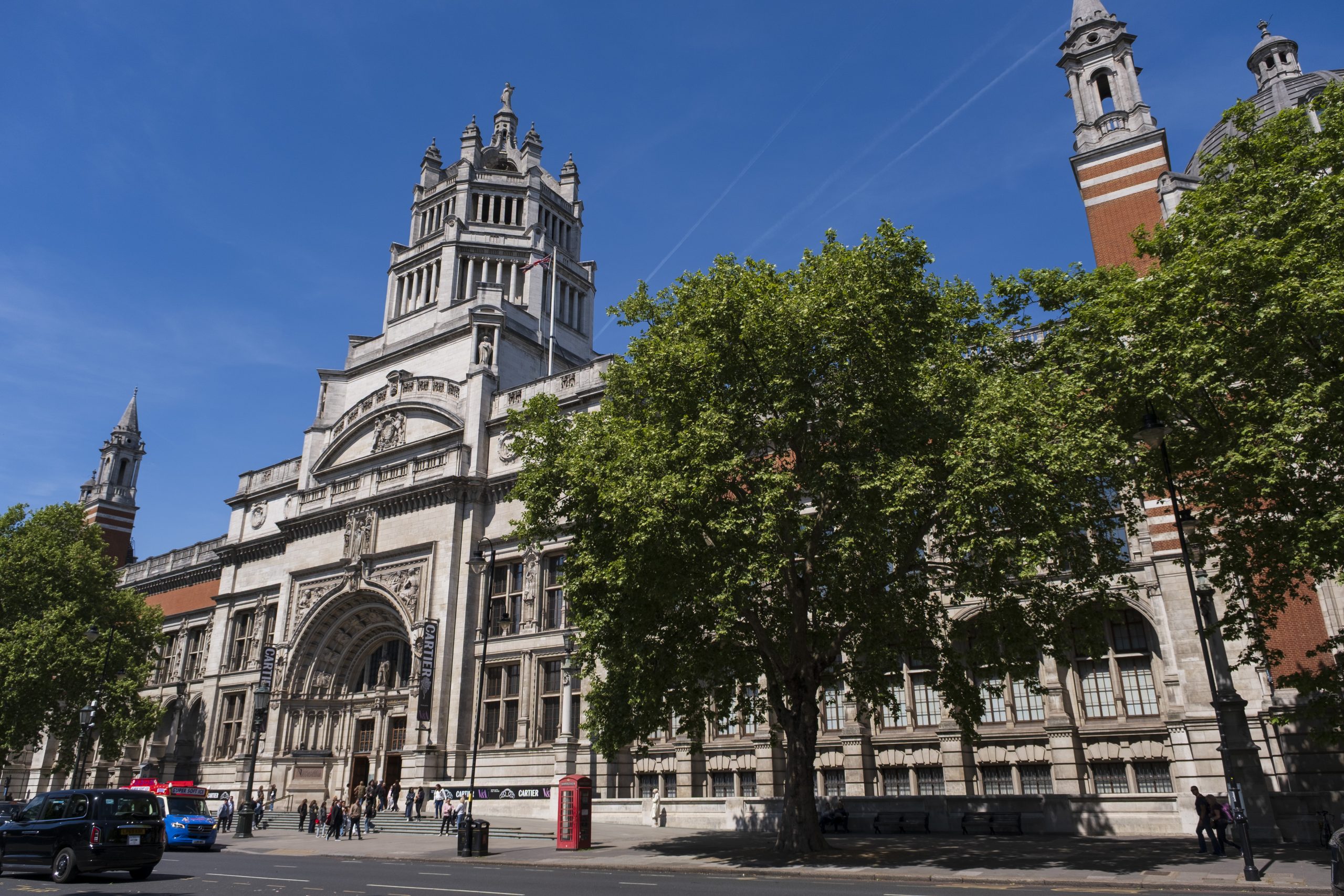
London’s Victoria and Albert Museum (V&A) has come under fire following reports that it altered exhibition catalogues to comply with Chinese government censorship. To reduce production costs, the museum utilized printers in China, which are subject to Beijing’s General Administration of Press and Publication (GAPP) regulations. Consequently, the museum removed historical maps and an image of Vladimir Lenin from publications for the "Music is Black" and "Fabergé: Romance to Revolution" exhibitions after they were flagged by Chinese authorities.
This incident highlights the growing concern over "transnational repression," where authoritarian regimes exert editorial influence far beyond their borders through economic leverage. While the V&A defended the changes as "minor" edits that did not compromise the narrative, critics and free-speech advocates argue that such concessions undermine the intellectual independence of Western cultural institutions. The situation underscores the ethical risks museums face when balancing budget-driven outsourcing with the preservation of historical accuracy and freedom of expression.