
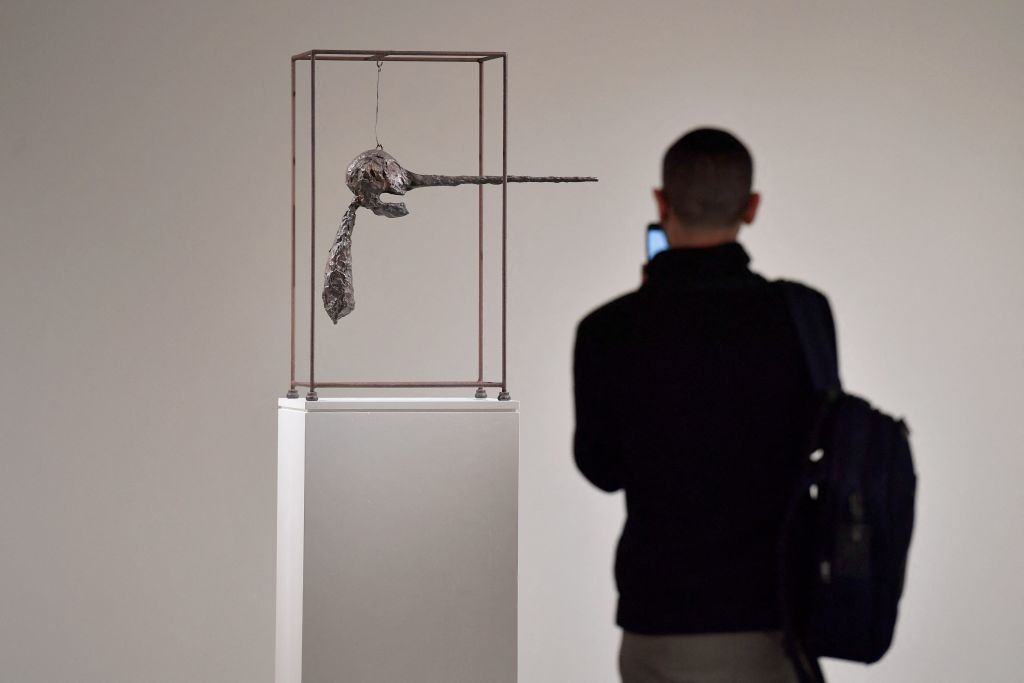
This article explores a critical reevaluation of Alberto Giacometti’s career, specifically focusing on the decade between 1935 and 1945. While Giacometti is globally recognized for his spindly, post-war 'Existentialist' figures, art historian Joanna Fiduccia’s new book, *Figures of Crisis*, argues that his mid-career departure from Surrealism to study human likeness was not a mere transition but a profound response to the political crises and nationalism of interwar France.
By highlighting the miniature figurines and plaster head studies often ignored by major retrospectives like MoMA’s 2001 exhibition, the text challenges the traditional 'Surrealist vs. Existentialist' binary. It matters because it shifts the narrative of Giacometti’s work from a preordained evolution toward a 'mature style' to a more complex engagement with modernist figuration, politics, and the instability of human representation during a period of global upheaval.